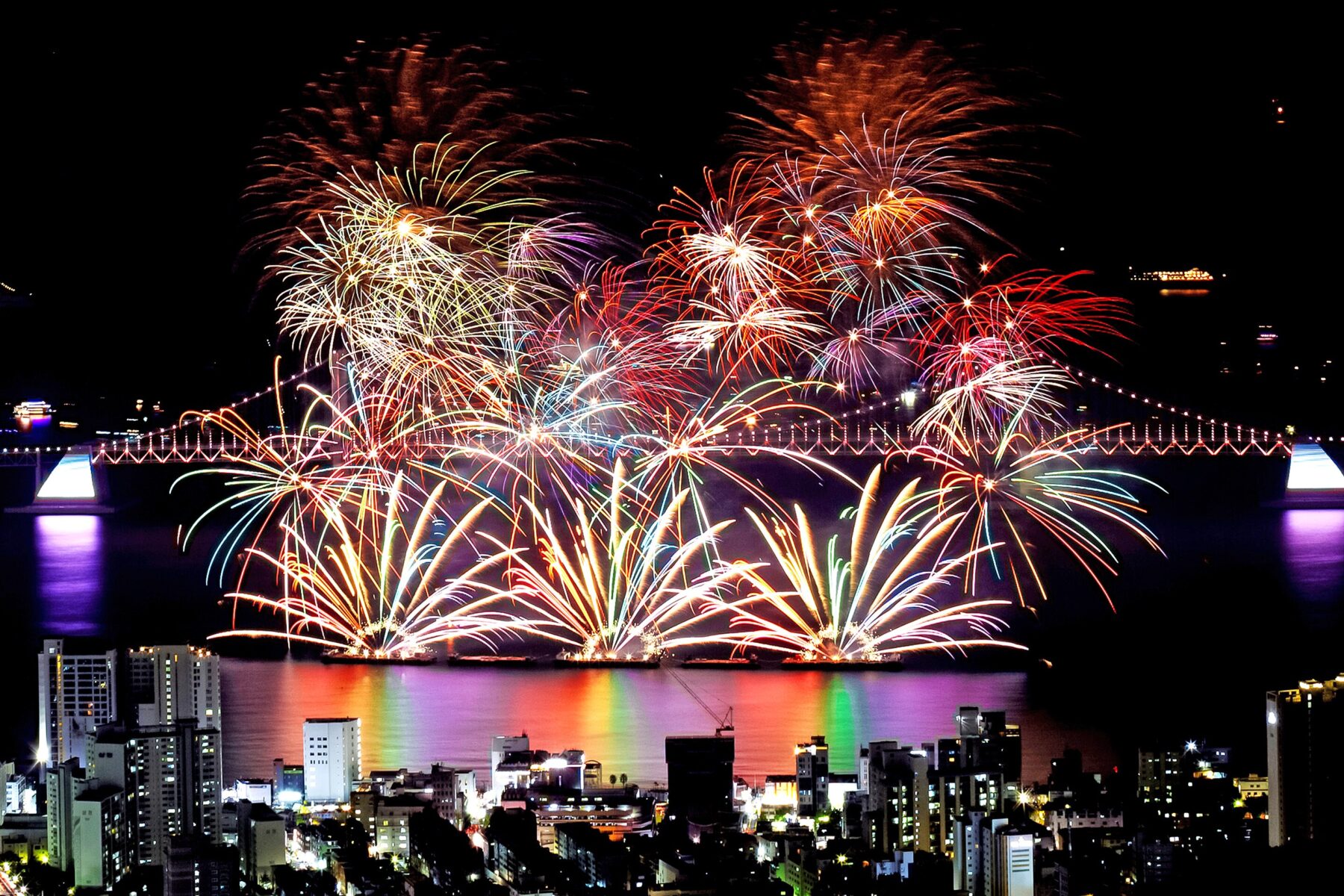
Making room for Busan’s night
Fireworks above the sea last briefly, but the day spent waiting for them is longer. Put the Busan Fireworks Festival at the centre of a trip and the afternoon route changes. Reaching the viewing area comfortably and on time matters as much as finding a view.
The 21st festival is scheduled for Saturday, November 7, 2026. The official event areas are Gwangalli Beach, Igidae and Dongbaekseom. That list is not an itinerary requiring visitors to cover all three.
The official ticket listing gives the main viewing period as 7–8 p.m. It includes an intermission for system checks. Review the latest notices before departure for any programme or operating changes.
Paid-seat entry conditions are separate from the show’s start. The ticket notice says visitors who fail to reach the seating area before 6 p.m. cannot enter or receive a refund. Planning to arrive at 7 p.m. would miss that requirement.
The first planning question is therefore when you can arrive, not which burst you hope to see. Allow for travel and ticket collection first. Fit meals and walks around that buffer for a less hurried day.
When the night sea becomes a stage
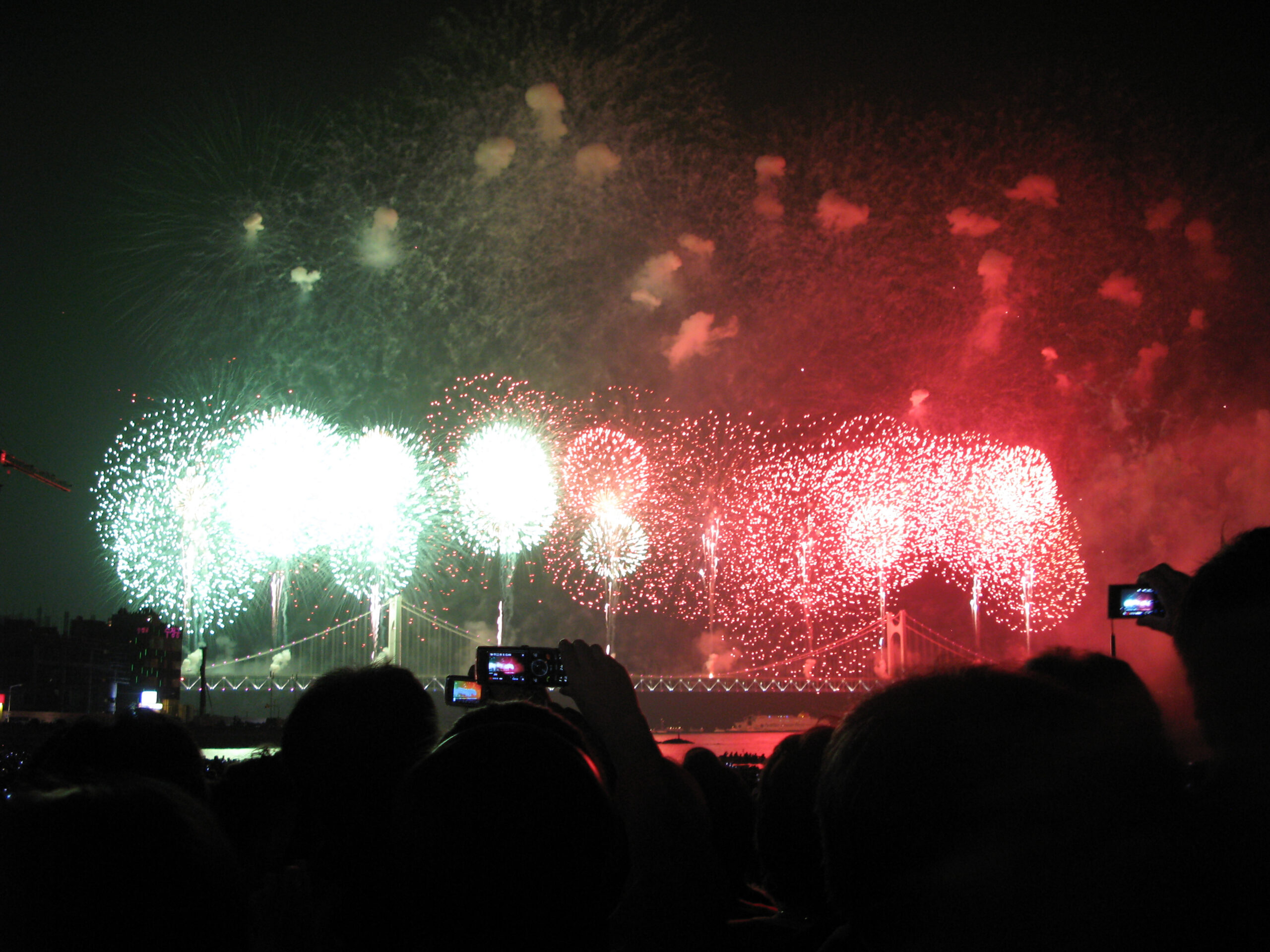
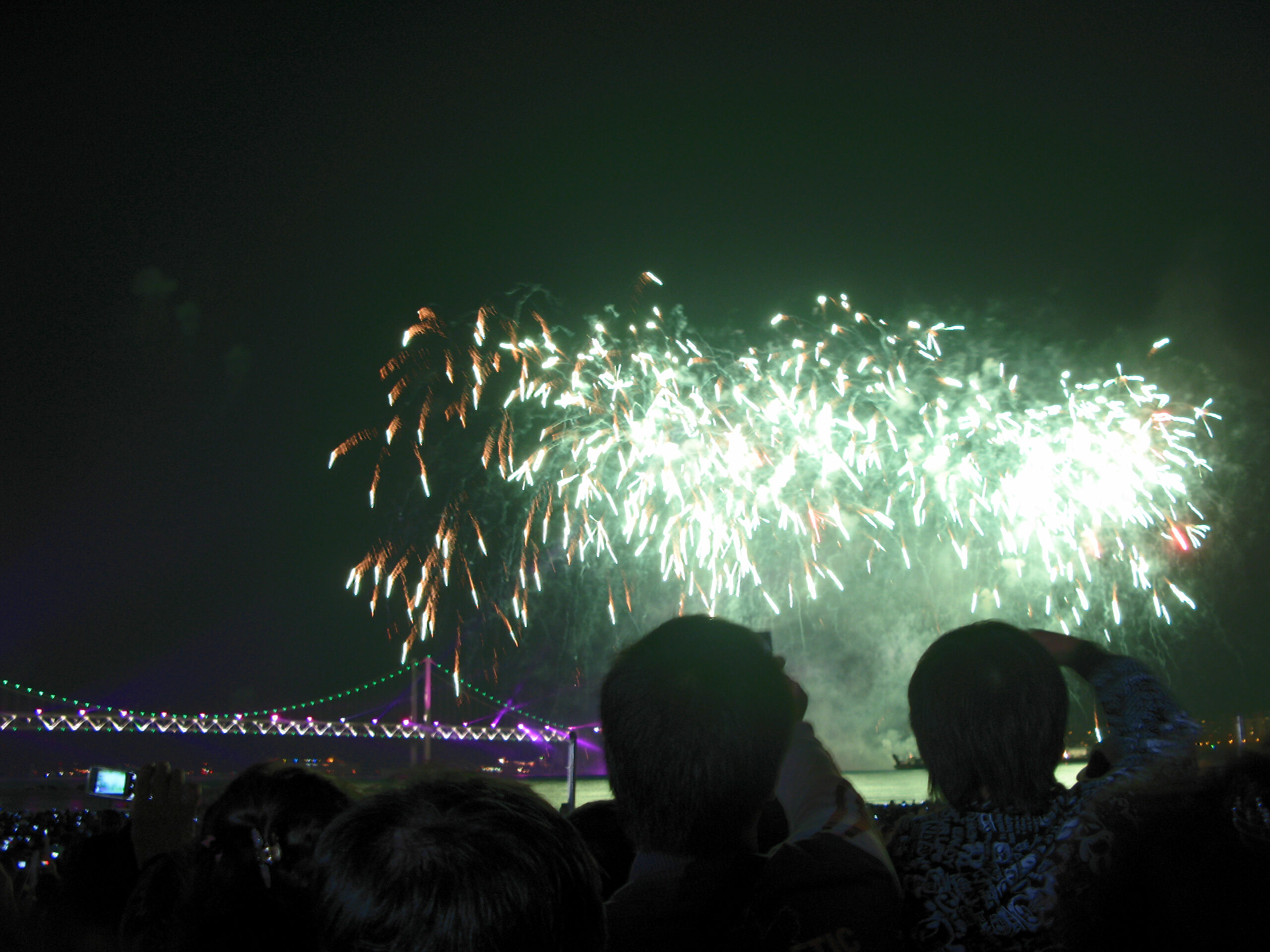
The sky is not the only background to a fireworks display. Dark water and the outline of the bridge also enter the view. These layers help make the scene recognisably Gwangalli.
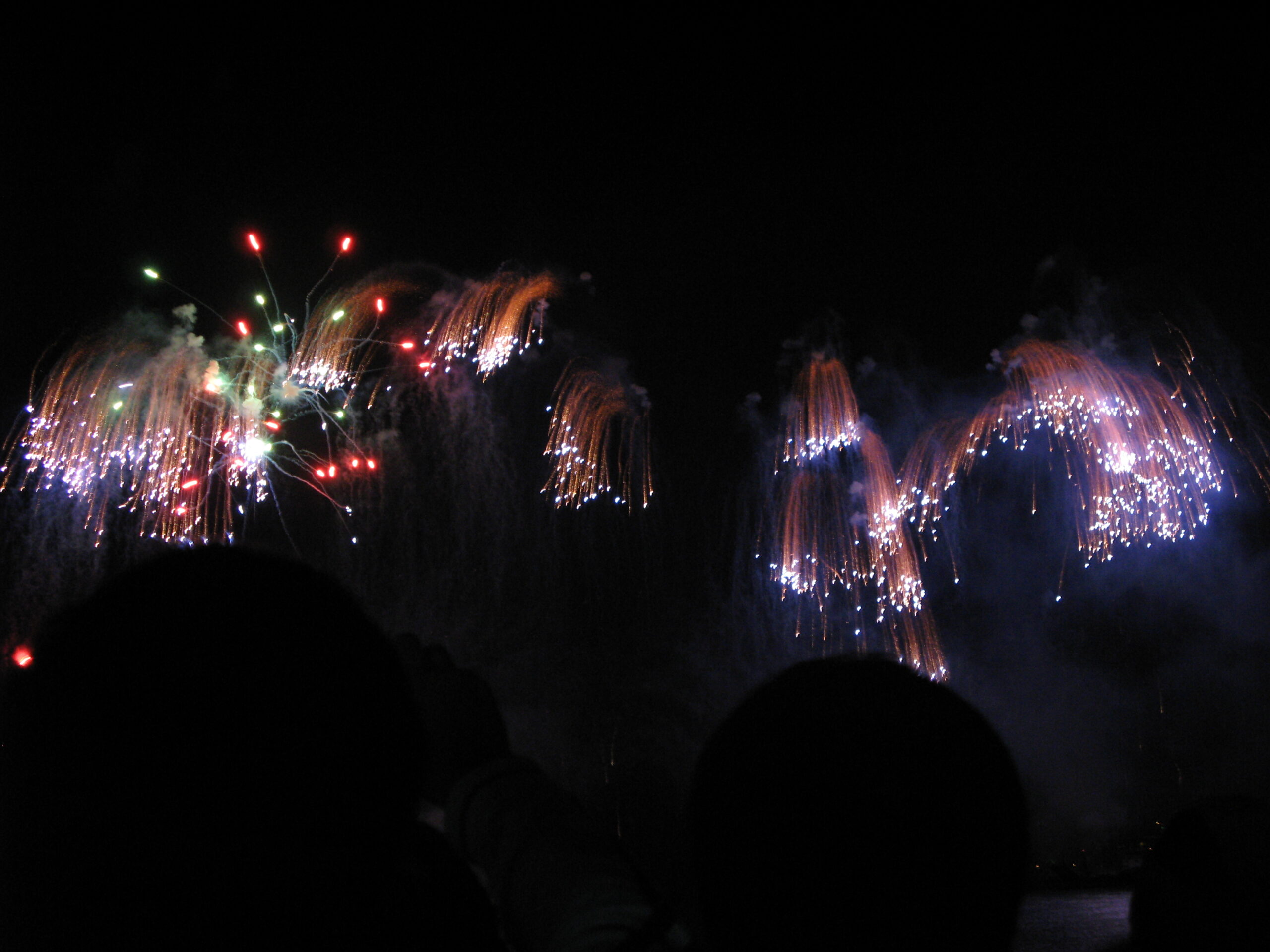
In a photograph, one burst can fill the frame. At the event, the empty sky before and after it is part of the experience. The intervals between light and darkness give the scene its rhythm.
A different position changes how bridge and sea overlap. Inclusion in the event area does not mean every point offers the same sightline. Choose a place using permitted access and current on-site guidance.
A beach and a coastal walking route also have different access conditions. A pleasant daytime path may not operate in the same way at night. A scenic recommendation is not permission to enter a restricted viewing area.
Choosing one place and waiting calmly may leave a clearer memory of the city. There is no need to lose important time moving between viewpoints. Selecting one scene to watch is itself part of travelling.
From an international welcome to a city memory
The official history dates the first festival to 2005. It began as a welcome event for the APEC summit. An international occasion became a night the city would anticipate again.
The 2026 event carries the number twenty-one. That number suggests repeated seasons of preparation and spectatorship. It does not mean this year’s programme can be predicted from old videos.
Past photographs can help explain the setting. They cannot replace current entry times or seat conditions. A beautiful archive and practical information for this year should be read separately.
For a first visitor, the festival offers a new encounter with Busan. For a returning spectator, it may be a promise to look at the same sea again. Different people can wait for different moments on the same night.
Repetition also gives travel memories layers. The colours of every burst may fade while the person who waited beside you remains clear. That is a reason to treat the festival as more than a single photograph.
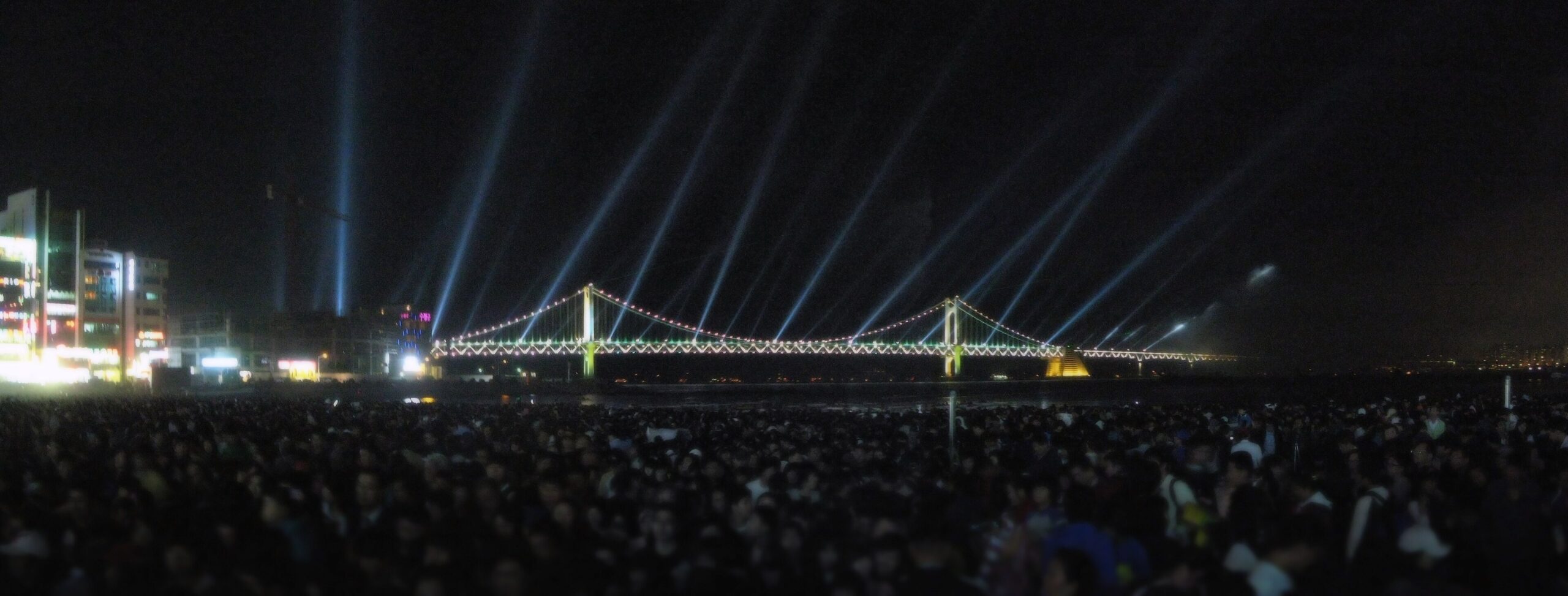
What to check when choosing seats
The official seller lists a standard R seat with a table and chair at KRW 100,000. A standard S seat with a chair is listed at KRW 70,000. Recheck the price and inclusions for the exact ticket selected during booking.
Price alone does not explain the view or the ease of reaching a seat. Look at the seating plan and entry route as well. Consider whether companions will be comfortable sitting for the planned duration.
An open sales period does not mean your preferred seats remain available. Actual inventory must be checked in the booking interface. An old advertisement is not a reliable guide to whether seats have sold out.
The announced deadline for regular online tickets is 5 p.m. on November 6. The separately advertised Busan Bank channels have different closing dates. Do not apply one channel’s conditions to another.
Before paying, read the cancellation deadline and charges. A personal change of plans and a change to the event are different situations. Keeping the reservation record makes the relevant information easier to find later.
An entry deadline before the performance
The ticket information says spectator admission can begin at 3 p.m. The requirement to arrive before 6 p.m. is separate from the later performance. Mark both times clearly in the day’s plan.
Standard tickets booked from October 12 onward are listed for on-site collection. A booking made now therefore needs time for pickup. Reaching the beach, collecting a ticket and entering the seating area are separate steps.
Follow the identification and reservation requirements for your ticket category. Discounted tickets may need additional evidence. Checking whether companions also need documents can reduce confusion on arrival.
The Busan resident discount is a distinct category with residency checks. Visiting Busan does not itself qualify someone for it. Nor should a buyer assume a standard ticket can be converted to the discount at the venue.
Wheelchair spaces are listed for telephone booking through the ticket seller’s customer service. Companion bookings and the dedicated entrance also need checking. Match the booking to your access needs before choosing a space.
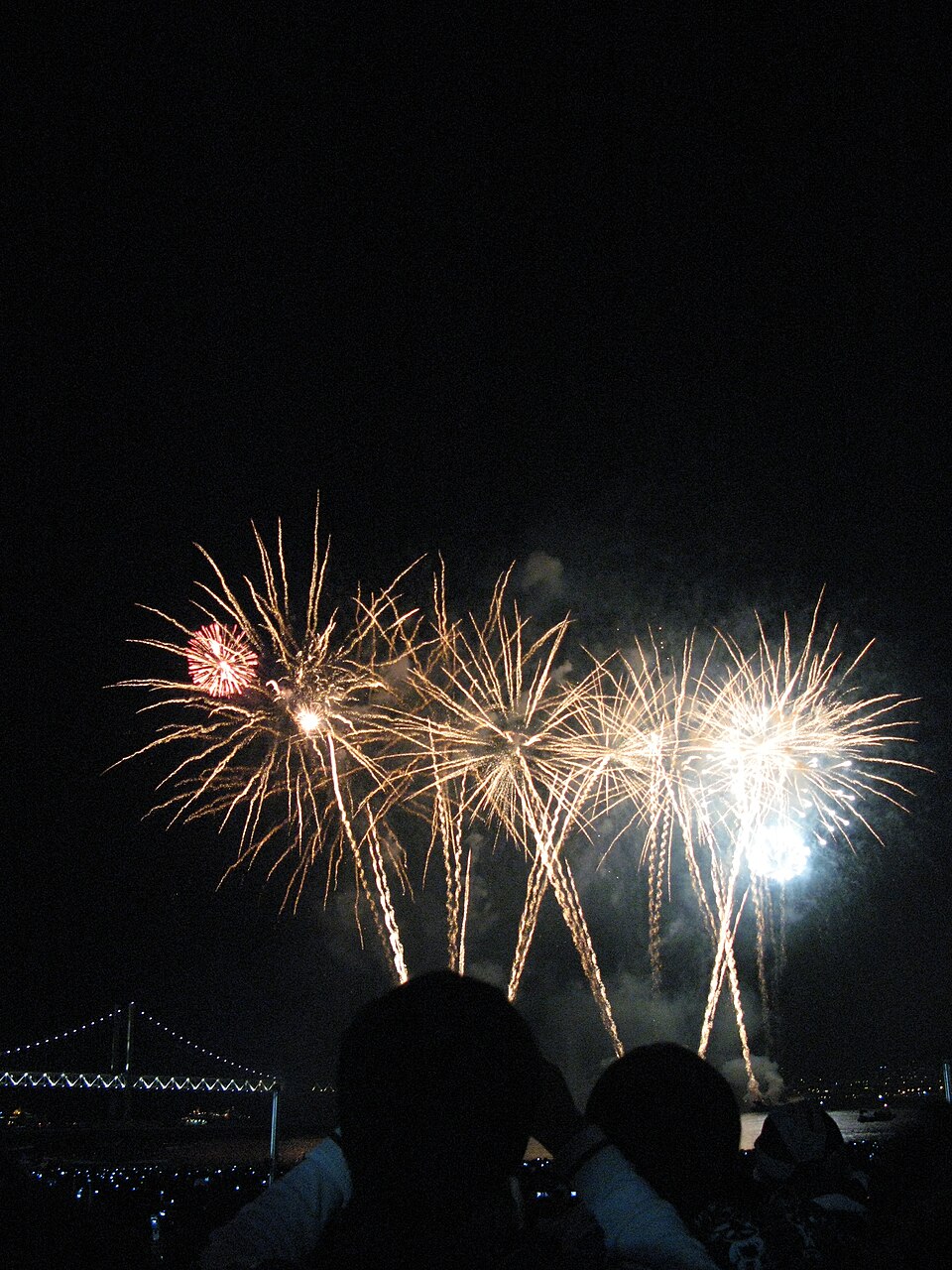
Plan transport in both directions
The organiser recommends public transport on festival day. Congestion is expected, and nearby parking is not provided for the event. Driving close to the beach should not be the foundation of the plan.
The Gwangalli directions name Gwangan Station on metro Line 2. The actual walk from the station can be affected by event-day controls. Do not calculate arrival using only an ordinary map’s walking estimate.
Queues and crossing routes also take time. Booking a meal or arriving by train just before the seating deadline leaves little flexibility. An earlier start is a more practical way to create room.
Choose the return route before setting out. Travel immediately after the festival may differ from a normal evening. Check the final train and onward connection, avoiding an unnecessarily tight long-distance transfer.
Agree on a meeting point in case companions become separated. Avoid entrances and places where waiting would obstruct movement. Saving a location name or address makes it easier to explain where to meet.
Watching between sound and photography
Fireworks are not only a visual event. Distance and the length of a visit matter for people startled by loud sounds. Discuss comfort first when travelling with children or sound-sensitive companions.
When photographing, consider the people around you. A device held above your head for a long time can block someone behind. Follow the event’s rules for photography equipment.
Constantly watching a screen can make the scene in front of you feel smaller. After a few photographs, putting the device away is an option. You can choose your own balance between recording and watching.
There is no need to capture every moment sharply. Even a blurred night photograph can hold a memory. A better picture is not a reason to obstruct a route or move somewhere unsafe.
There will be time to discuss favourite moments afterwards. Pay attention when operational announcements are made. Small acts of consideration make a large shared spectacle more comfortable.
Packing a light bag
Waiting beside the sea in November can feel colder than walking. An outer layer suited to wind and a little extra warmth can help. Check the actual temperature and wind forecast on departure day.
Save the booking record and necessary contact details on your phone. Check its charge before leaving. Organising the information so it is easy to find can simplify collection and travel.
Pack a bag that remains comfortable to carry for a while. Necessary items and excessive luggage are different things. Check event rules for anything that might be restricted.
Prepare water or a small snack according to the rules of your viewing area. Meals can be scheduled away from the busiest entry period. A small bag for your rubbish may also be useful on the way out.
Locate toilets and the information point when you arrive. That is easier than searching urgently after dark. If particular facilities are needed, check their actual distance from your seat too.
Busan’s day extends beyond the festival
Building a trip around fireworks does not require filling every daytime hour. A nearby meal and a short walk may be enough. This leaves some of the day’s energy and flexibility for the evening.
Check individual restaurant and café hours. Do not assume a seat or a window view will be available on festival day. If buying a package, read exactly which services and viewing arrangements it includes.
The coast is also part of residents’ daily surroundings. Keep building entrances and narrow streets clear. A promising view does not grant access to a place where you are not a guest.
Someone else will use the waterfront after you. Take packaging and food waste away or dispose of them as directed. The landscape left after the fireworks is part of the trip too.
Leave room for weather or operational changes. Being able to check current notices is more useful than an inflexible timetable. A flexible day is easier to adjust when something unexpected happens.
The scene after the final burst
When the performance ends, the crowd begins moving again. Follow on-site directions and the flow instead of rushing at once. Think of leaving as the final part of the event.
On the way back, choose one moment to remember. It might be the largest burst or the sea’s colour while waiting. Sometimes the fact of sharing the night lasts longer than either.
Selecting photographs can wait until you reach your accommodation. Finish the journey before becoming absorbed in the screen. The impression of the evening does not need to be organised immediately.
The essential details are date, ticket category, collection method and entry cutoff. The currently announced festival date is November 7. Paid-seat visitors should pay particular attention to the requirement to arrive before 6 p.m.
An hour of the Busan Fireworks Festival is connected to a day of preparation. Give both the journey towards the sea and the journey home enough room. A brief light can then become a longer travel memory.
A little closer to Korea.
Thank you for reading.