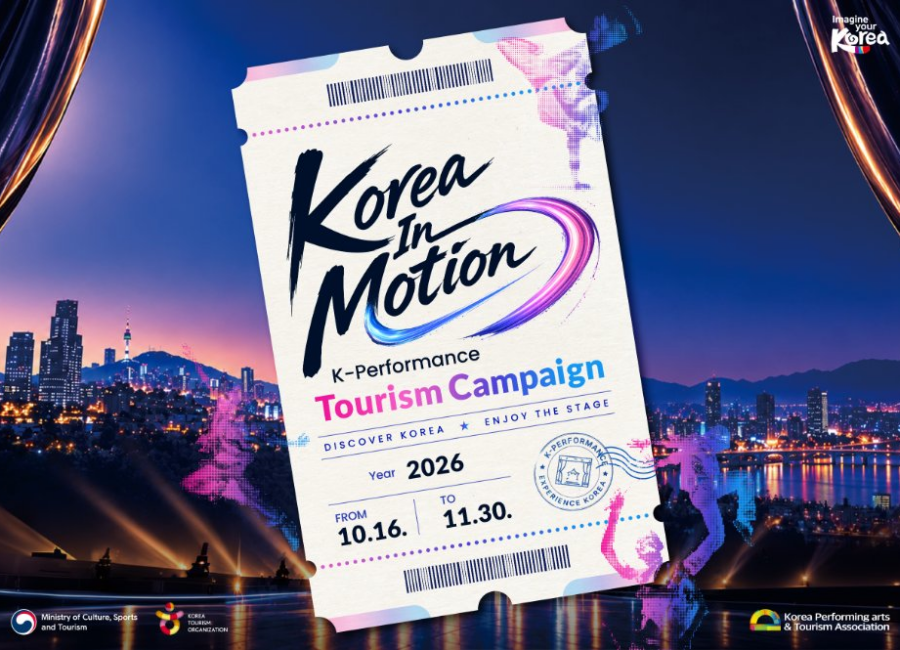
Begin with the right date
The 25th Seoul International Cafe Show runs from November 11 to 14, 2026. The venue is COEX in Samseong-dong, Seoul. The event uses exhibition halls A through D.
November 11 and 12 are business days. November 13 and 14 are public days. An ordinary visitor should begin planning with Friday or Saturday in mind.
The announced theme is Hwaljjak, a Korean word suggesting something opening wide. Coffee is the starting point for a broader conversation about cafes. Equipment, ingredients and the experience of spending time in a cafe all have a place.
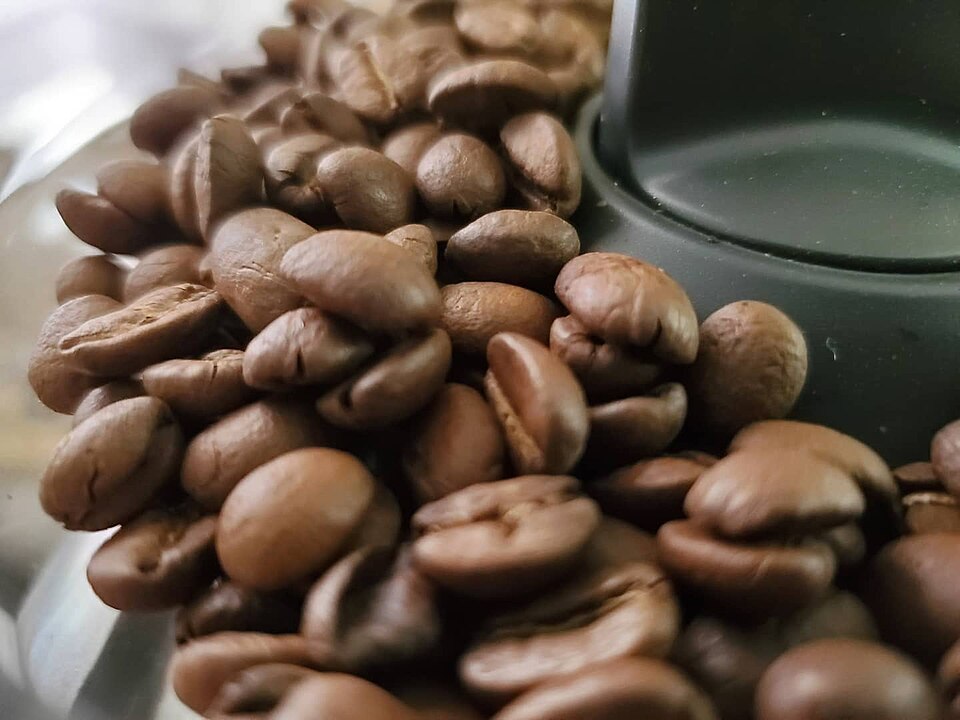
This is a preview written before the exhibition opens. The photographs are real archival images of coffee and an earlier view of COEX. They do not show the 2026 booths or establish that the pictured products are exhibitors.
A useful visit does not require knowing every technical term. One question about a familiar cup can be enough to begin. The exhibition can turn that question into a conversation with the people behind it.
Business days have their own purpose
The organiser identifies buyers, industry workers and prospective founders as business-day visitors. Its guidance requires a business card and excludes minors and preschool children on those days. Check the current eligibility instructions before choosing a ticket.
A ticket type does not remove the distinction between business and public days. Buying a pass should follow the decision about an eligible date. The name of a multi-day pass is not permission for unrestricted entry.
For a prospective cafe operator, the first useful preparation is a short list of practical questions. Equipment space, ingredient supply and service needs may matter more than collecting many brochures. A focused conversation is easier to continue after the show.
For an ordinary coffee enthusiast, the public days provide the clearer route. Choose the day that leaves enough time for the areas of interest. There is no need to pretend to be an industry buyer to enjoy the exhibition.
The organiser’s registration guidance applies to each attendee. One person’s registration does not cover an entire group. Friends planning to visit together should each confirm their own entry arrangements.
Friday and Saturday end at different times
From November 11 to 13, the published opening hours are 10:00 to 18:00. Last admission is at 17:30. Friday’s public session follows that schedule.
On Saturday, November 14, the show opens at 10:00 and closes at 16:00. Last admission is at 15:30. Saturday therefore offers a shorter visiting window than Friday.
Closing time is not a comfortable arrival time. Leave room for registration, finding a hall and walking between areas. A late start can turn a curious visit into a hurried one.
Choose a small number of priorities before entering. A particular type of coffee, a brewing method or a cafe-related product can guide the route. Other discoveries can fit around those interests.
Use the current floor plan when deciding the order. A photograph from another year cannot show the current booth positions. Save the relevant hall and booth names once the latest plan is available.
Read the ticket conditions alongside the price
The official on-site price list gives a one-day pass at 25,000 won. It lists an all-day pass at 50,000 won and a Master Blend pass at 150,000 won. Confirm the current inclusions and eligibility before choosing among them.
Advance offers can have different sale periods and prices. This article does not treat an earlier discount as permanently available. The price shown for the current booking period is the one to check.
The organiser distinguishes its website registration from external prepaid ticket channels. Some registrations require payment at the venue. A registration message should be read carefully before assuming payment is complete.
Use one booking channel for the same intended visit, as the organiser advises. Keep the confirmation and any required identification ready. Duplicate registrations can create avoidable confusion.
If a separate forum or special session is part of the plan, check its admission terms. A general exhibition ticket should not be assumed to include every additional programme. Choose a pass for the activities actually intended.
Coffee leads into a wider cafe world
The exhibition categories extend beyond coffee beans and brewing equipment. Tea, bakery products, desserts, chocolate and other drinks are also listed. Interiors, ingredients and business-related services complete the wider picture.
That breadth makes the event relevant to companions with different interests. One person may want to discuss a grinder while another wants to explore tea. Agree on a meeting place before following separate paths.
A sample can provide a starting point for a question. Ask what is being served and how the exhibitor recommends preparing it. A short note can help distinguish several similar impressions later.
Do not assume every booth offers tasting or that every sample remains available all day. Follow the exhibitor’s instructions and any queue arrangements. A display can still be interesting without a free drink.
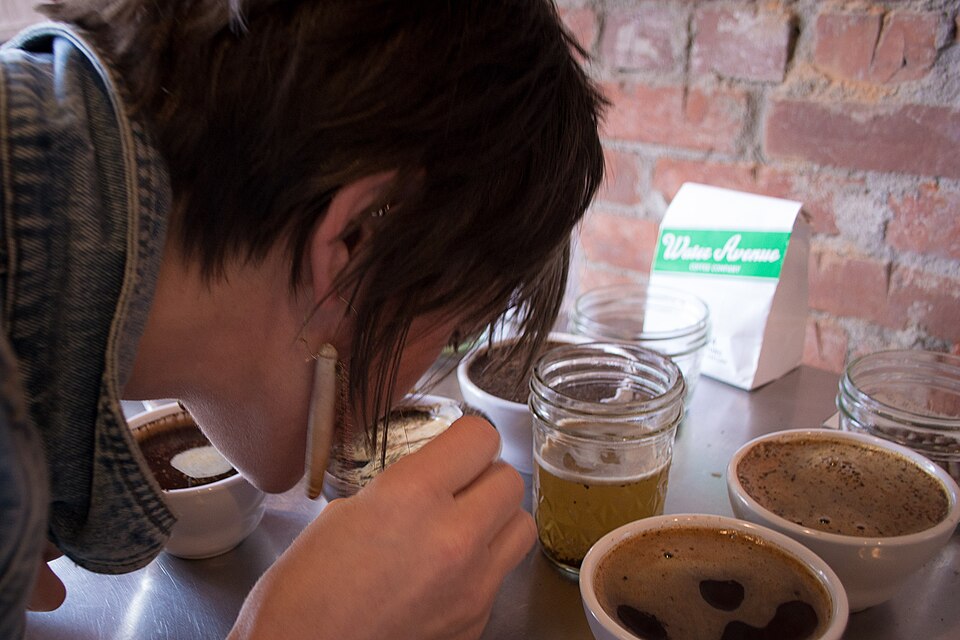
The cupping photograph here shows a general coffee-tasting example from 2013. It is not a scheduled session at this year’s exhibition. The distinction keeps an illustrative image from becoming a misleading programme promise.
A new regional coffee list is on the programme
An October 15 organiser announcement introduces Asia Pacific’s 100 Best Coffee Shops. Its presentation and awards are scheduled for November 12 at the World Coffee Forum’s The Stage. The organiser describes it as the first regional presentation of this ranking in the Asia-Pacific area.
November 12 is a business day. The announcement should not be read as an ordinary public-day invitation. Anyone hoping to attend that session should check its specific registration and access conditions.
At the time of this preview, the announcement concerns a forthcoming ranking. This article does not present a list of winners. Results should be checked after the organiser releases them.
A ranking can introduce names that a reader has not encountered before. It is one starting point for exploration rather than a description of every good cafe. Personal taste still has room in the conversation.
The wider programme also includes the World Coffee Forum and Seoul Coffee Festival. Their individual schedules and entry arrangements need their own checks. The shared calendar does not make every session interchangeable.
Look at the work behind the cup
A cafe visit often ends with the drink on the table. An exhibition offers a chance to ask about the choices before that moment. Grinding, brewing, ingredients and presentation can all become subjects for conversation.
Ask a question that connects with the way coffee is actually used at home or work. A compact routine has different needs from a busy commercial counter. Explain that setting before comparing equipment.
A demonstration is useful when its conditions are understood. Note the method being shown and the guidance supplied by the exhibitor. Avoid assuming that a single demonstration predicts every result at home.
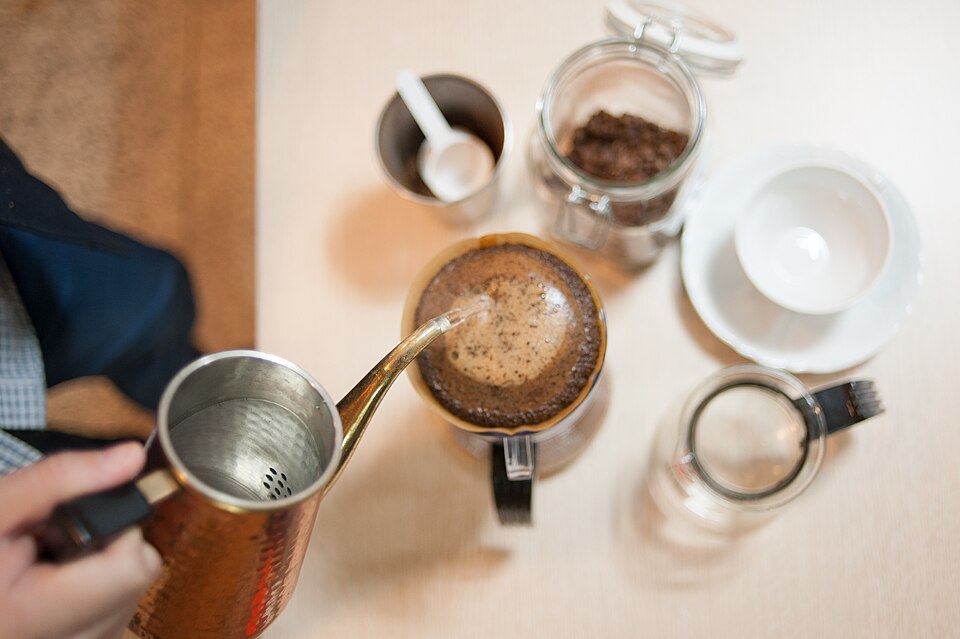
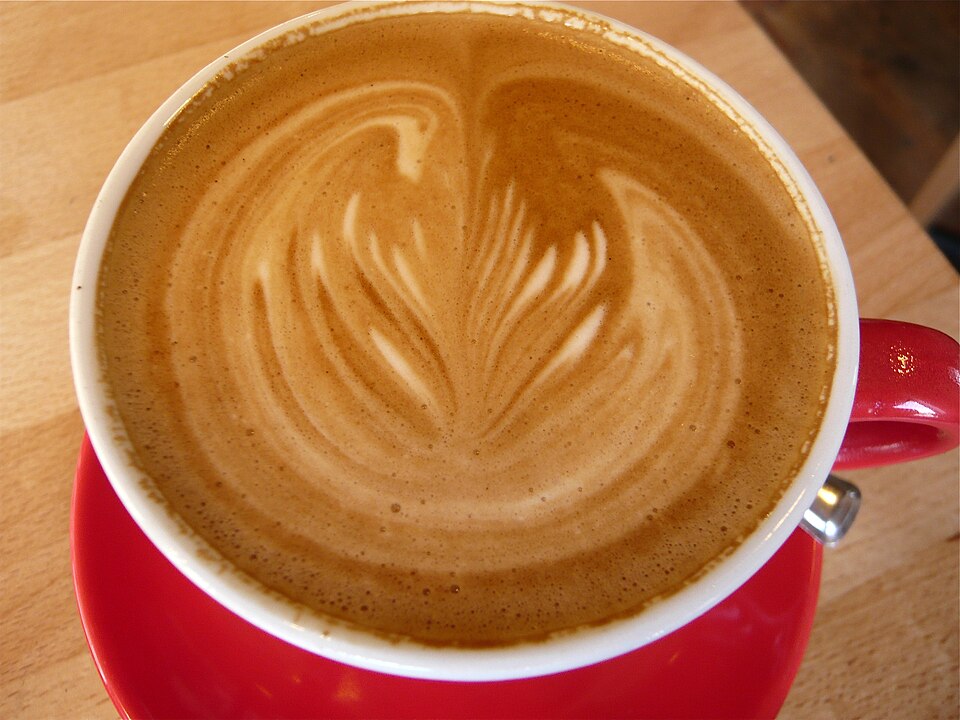
The latte-art photograph was taken at a cafe in Brighton in 2010. It is an illustration of presentation, not a Seoul exhibition product. The cover’s hand-brewing image is also a general example.
A well-kept note can be more useful than a photograph of every label. Record the product name and the answer to the question that mattered. That makes a later decision easier to revisit.
Travel lightly through the halls
The visitor guide prohibits suitcases and folding carts throughout the exhibition. Plan what to carry before arriving at COEX. Do not assume that luggage can be brought through the halls.
A modest bag is easier to manage while walking and listening. Consider the weight of purchases before adding more items. Leave enough room around a booth for other visitors to approach.
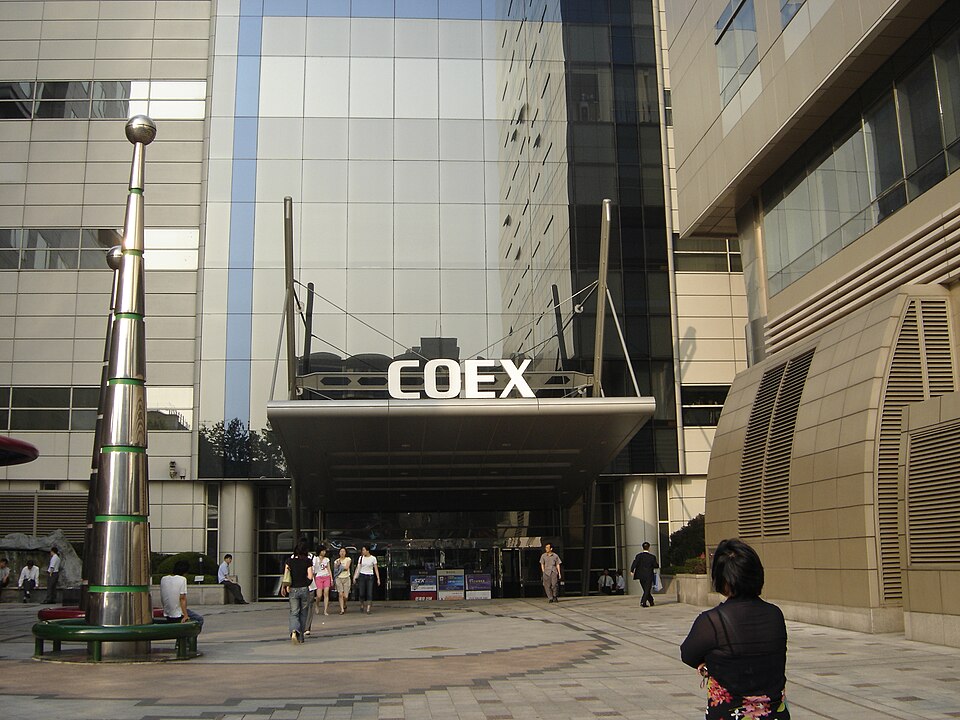
The venue’s mall and exhibition halls are different destinations within the same complex. Follow the current exhibition signs and hall information. The old COEX photograph here is not a guide to the 2026 entrance arrangement.
Allow time for breaks and the return journey. Four halls can make a short list of interests expand quickly. A pause can help decide what is still worth seeing.
Check the current transport route before setting out. Use the venue address and the relevant exhibition entrance in the journey plan. A familiar mall landmark may be some distance from the registration point.
A considered purchase begins with a question
An exhibition can make many products look appealing at once. Decide which need a purchase would meet before comparing offers. A good conversation does not oblige a visitor to buy immediately.
For equipment, ask about the specifications and support that affect everyday use. For ingredients, read the label and the seller’s handling instructions. A clear answer is more useful than a hurried assumption.
People with dietary requirements should ask about sample ingredients before tasting. A drink’s appearance may not reveal milk, flavourings or other components. It is reasonable to decline a sample when the information is unclear.
Take photographs only where the exhibitor permits them. Some demonstrations or displays may have their own rules. Asking first keeps the encounter comfortable for both sides.
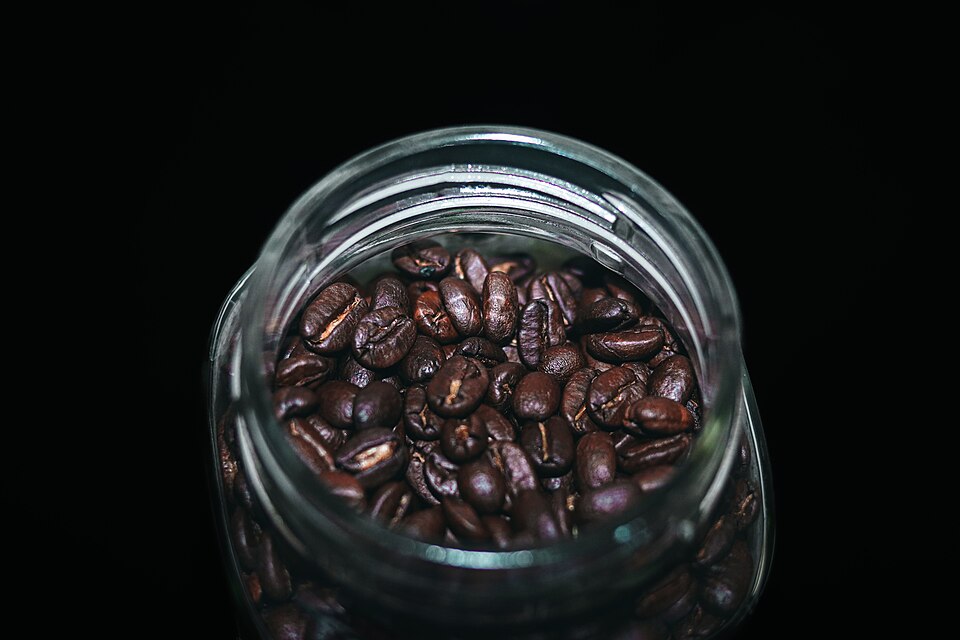
The photographs throughout this article are examples from earlier dates and different places. None is offered as evidence of a 2026 exhibitor’s participation. The official directory remains the source for that question.
Leave with one idea worth keeping
For general visitors, the central dates are November 13 and 14. Friday closes at 18:00, while Saturday closes at 16:00. In both cases, last admission is half an hour before closing.
Check the ticket, the selected day and the current visitor guide together. Keep the booking confirmation ready and leave prohibited luggage elsewhere. These small preparations give the visit a calmer beginning.
The official Cafe Show website carries the latest programme and visitor information. The published contact number is 02-6000-6720. Direct a particular access or registration question to the organiser before travelling.
A useful day may end with a new coffee or a different way of asking about one. It may also change how a familiar cafe is noticed. The value does not depend on visiting every booth.
This November’s exhibition opens a meeting place between a daily habit and a wider industry. Arrive with curiosity and enough time to listen. A cup can be the beginning of a much larger conversation.
A little closer to Korea.
Thank you for reading.