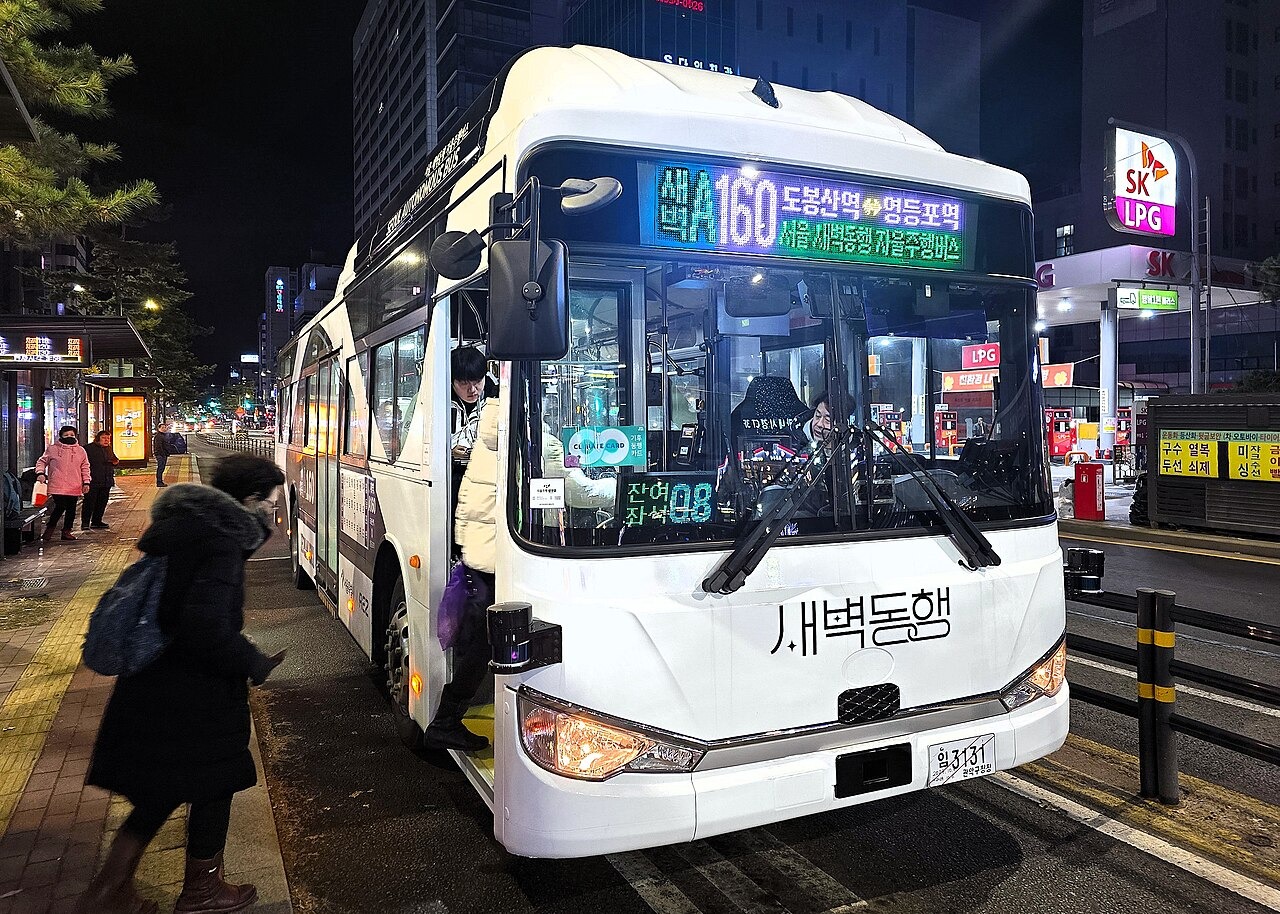
For someone leaving home before dawn, the welcome change would be a bus at the time they need it. That is a useful way to read Seoul’s target of 500 autonomous city buses. On 1 October 2026, Seoul, Hyundai Motor and the city’s bus association signed an agreement to develop Level 4 buses and the systems needed to operate them.
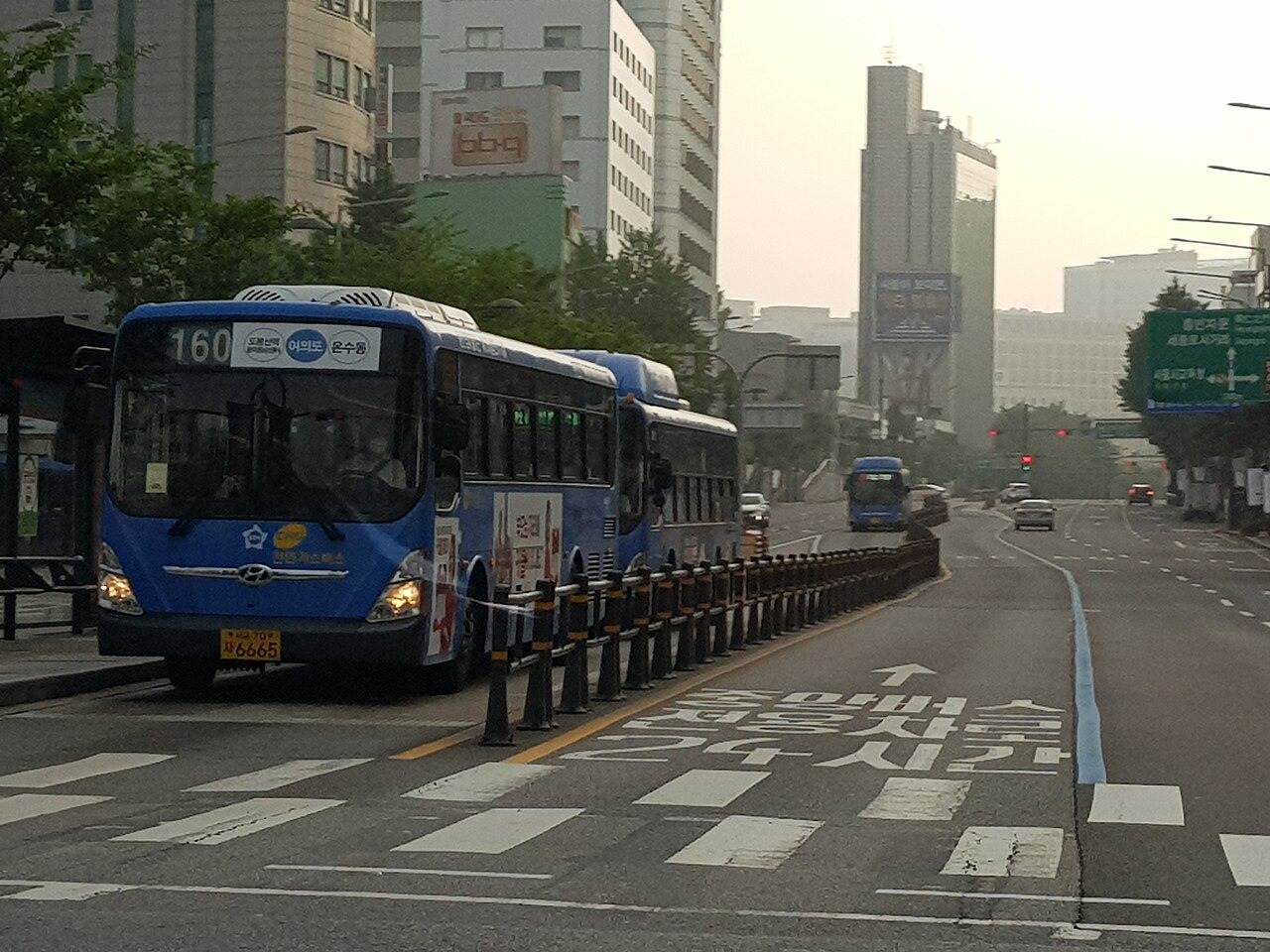
The plan places development and demonstrations in 2027–2028, followed by deployment from 2029 toward 500 vehicles in 2030. These are future targets subject to performance and safety checks, not a fleet already available on every route.
Official release: 12 October 2026. Content and reference link rechecked: 23 October 2026. Deployment targets are distinguished from services operating now.
A timetable for development, not 500 buses already running
The agreement signed on 1 October brings together three different roles. Seoul will handle deployment policy and regulatory improvements; Hyundai Motor will supply dedicated vehicles; the bus industry will contribute operating staff, facilities and experience. Autonomous-driving companies are expected to refine their technology on those vehicles. The city describes this as a chain from development and demonstration to ordinary bus operations, with a control system for monitoring multiple vehicles. The memorandum runs for three years from signing, while the broader fleet target reaches beyond that initial agreement period.
The milestones that matter
Technology development and public demonstrations are planned for 2027–2028. Phased introduction is then intended to begin in 2029, with a goal of 500 buses by 2030 as older vehicles are replaced. Vehicle performance and operational safety are prerequisites at each stage. These dates are the announced plan, not a guarantee of a particular route, frequency or passenger launch date. Visitors should therefore keep using current transport information rather than planning a 2026 journey around the future fleet. The existing early-morning autonomous service mentioned by the city is a separate operating experience on which the proposal builds.
Seoul plans common installation requirements for cameras, LiDAR and other sensors, and a system using real operating data and unusual road situations for technology development. Rising operating costs and an ageing driver workforce are also cited as reasons for the project. A data-sharing plan does not itself demonstrate driving performance or cost savings.
Reading the news as a passenger
From the perspective of everyday travel, these are the details we would look for next.
- Frequency and operating hours matter before fleet size. The number 500 cannot tell you whether the wait at your stop will shorten. Routes, first and last departures, and service intervals are needed to judge the effect on a commute. Use existing transport information for a trip today.
- Driving technology and passenger support belong in the same discussion. Who helps someone who struggles to board, and who answers when a problem occurs on board? This announcement does not establish all those procedures. Once demonstrations begin, boarding guidance and on-site assistance deserve attention alongside vehicle movement.
- Vehicles introduced and results achieved are different measures. Reliable operation, alternative travel during disruptions and the basis for cost comparisons would help readers assess the project. These are questions for future reporting, not claims that the proposed service already has those problems.
There is room for optimism without treating a target as a confirmed timetable. In the next announcement, we would look for how ordinary journeys become easier beyond a one-off demonstration. A large fleet figure matters most when a passenger can connect it to a bus they can actually use.
Official announcement: Seoul Metropolitan Government — 500 autonomous city buses by 2030
A little closer to Korea.
Thank you for reading.