A place that gives Busan’s scenery a longer history
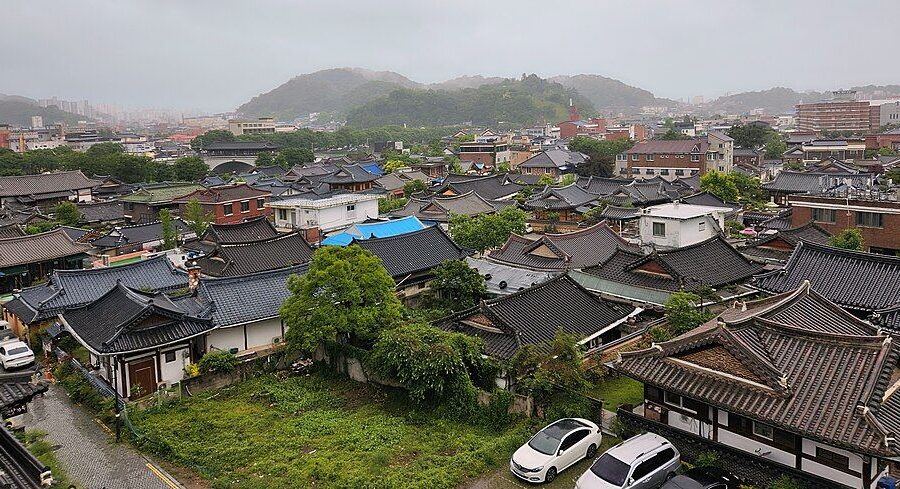
The sea may be the first thing you notice in Busan, but it cannot explain the city on its own. Coastal communities, the regional society centred on Dongnae, diplomacy and trade with Japan, the opening of the port, colonial rule and the lives of wartime refugees all belong to its story. Busan Museum in Daeyeon-dong, Nam-gu, provides a useful starting point for exploring those layers. Visit before heading into the city and place names acquire meaning; visit towards the end of your trip and familiar streets may begin to tell a different story.
The museum is most rewarding when you look beyond a checklist of famous objects. Pottery, iron weapons, diplomatic documents and everyday utensils reveal different relationships between local people and the wider world. Ask what an object’s users ate, whom they met and what changes they had to negotiate. That approach brings together work, power, movement and memory, without reducing the city to a straightforward tale of progress. You do not need specialist knowledge: a few attentive comparisons are often more memorable than reading every label in a hurry.
Understanding the two main exhibition areas
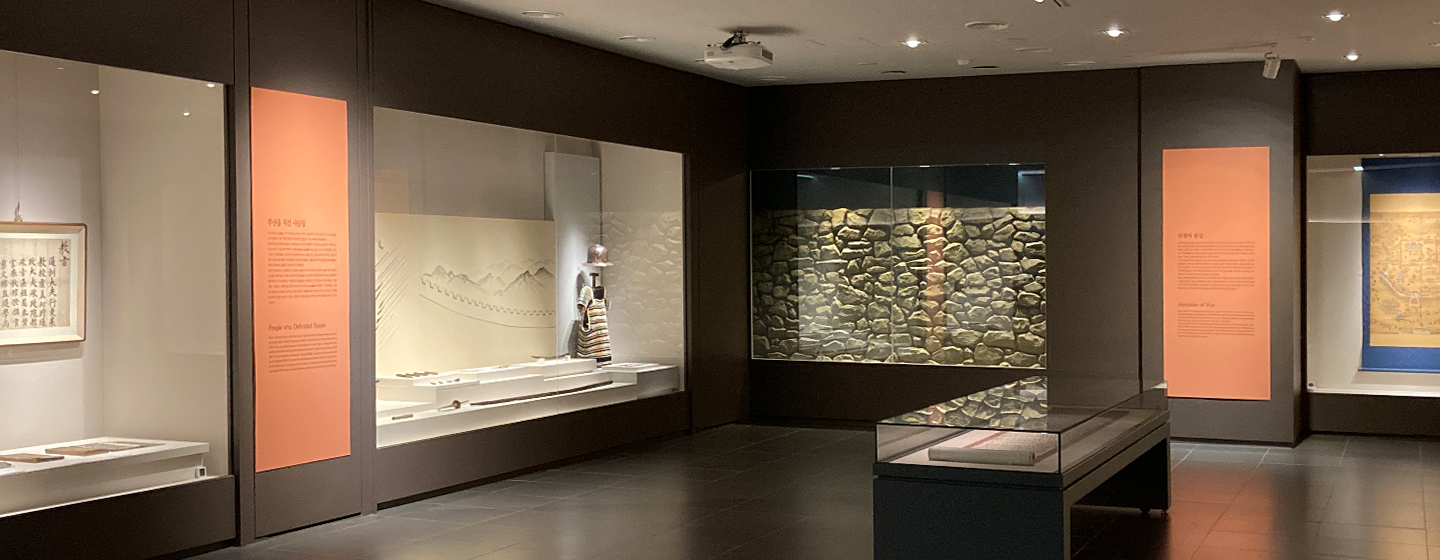
The permanent displays are organised around Dongnae Hall and Busan Hall. Dongnae Hall covers the Palaeolithic period through the Goryeo dynasty, while Busan Hall takes the story through Joseon and modern and contemporary history. Despite its name, Dongnae Hall does not require a journey to present-day Dongnae-gu. Both areas are within the same museum in Daeyeon-dong. For a first visit, chronological order makes the transitions easier to follow. If time is limited, choose a period that interests you and give it proper attention instead of rushing through everything.
Check the current floor guide at the entrance. In September 2026, the Donations Gallery moved to the former Art Room on level 2 (2F) of Busan Hall; older photographs and maps may still show its previous location. Adding that gallery, a special exhibition and a cultural activity to the main displays makes a substantial visit. Allowing roughly two hours for exhibitions, or three to four hours with an activity and the outdoor displays, is a planning suggestion rather than an official duration. Your reading pace and booked session will determine the actual timetable.
Before the port: coastal lives in the archaeological record
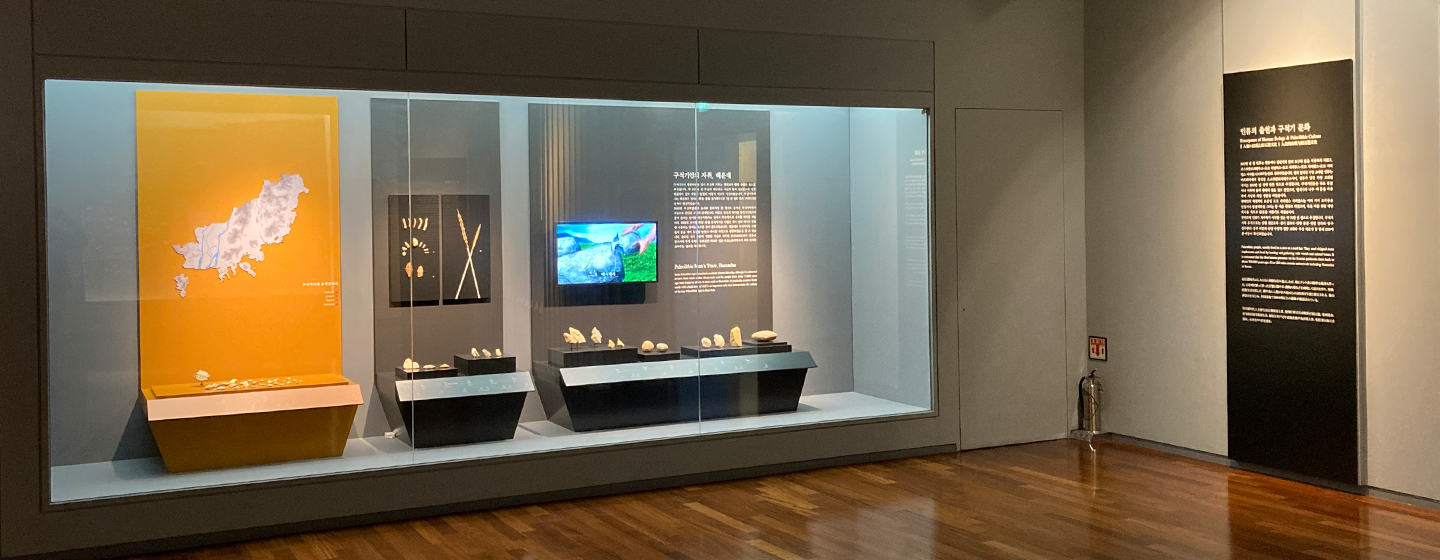
The early displays establish that people lived in this area long before Busan became known as a port city. Palaeolithic finds from places including Cheongsapo, Jwa-dong and Jung-dong introduce lives shaped by hunting and gathering. The Neolithic section then moves towards settled communities along coasts and waterways. The shell middens of Dongsam-dong on Yeongdo and Beombang in Gangseo, together with the Janghang site on Gadeokdo, place several of today’s separate districts within a much longer story of human activity.
A shell midden is more than a pile of discarded shells. Food remains, tools, pottery and burial evidence can illuminate diets, exchanges and attitudes towards death. When looking at a vessel, consider its size, opening and surface decoration rather than its silhouette alone. Imagining how it might have been used can make a small object feel connected to a recognisable life. Keep imagination distinct from established evidence, however: the excavation location, date and interpretation on the label help you understand what is known and what remains a question.
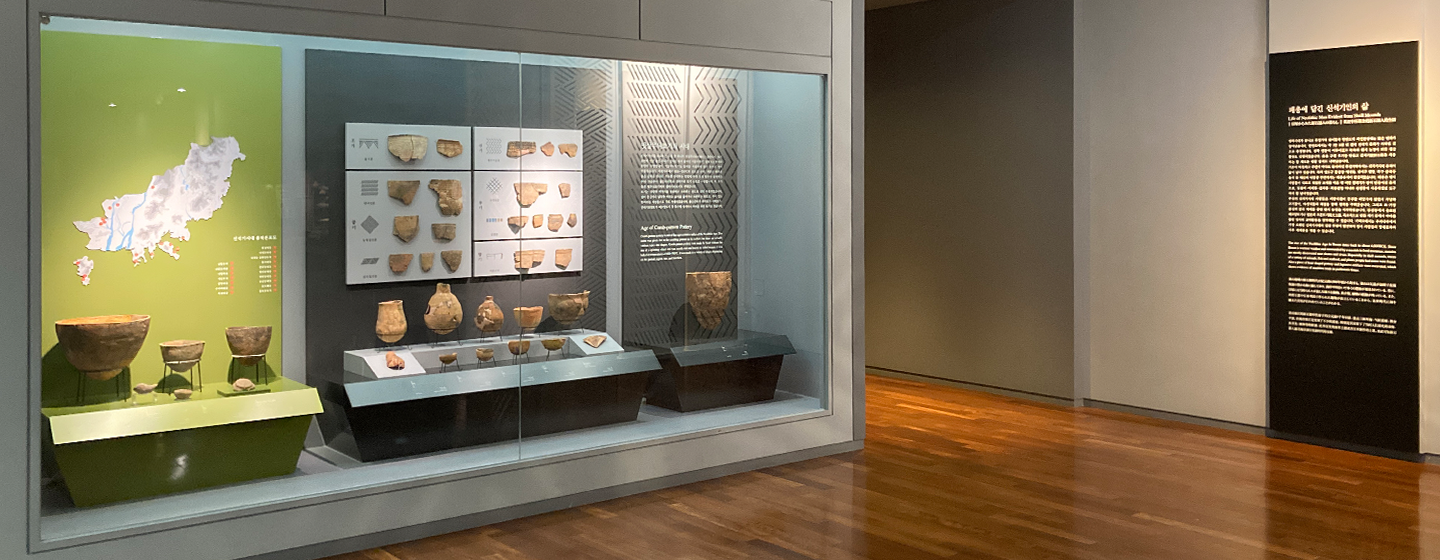
Ancient society through armour and everyday vessels
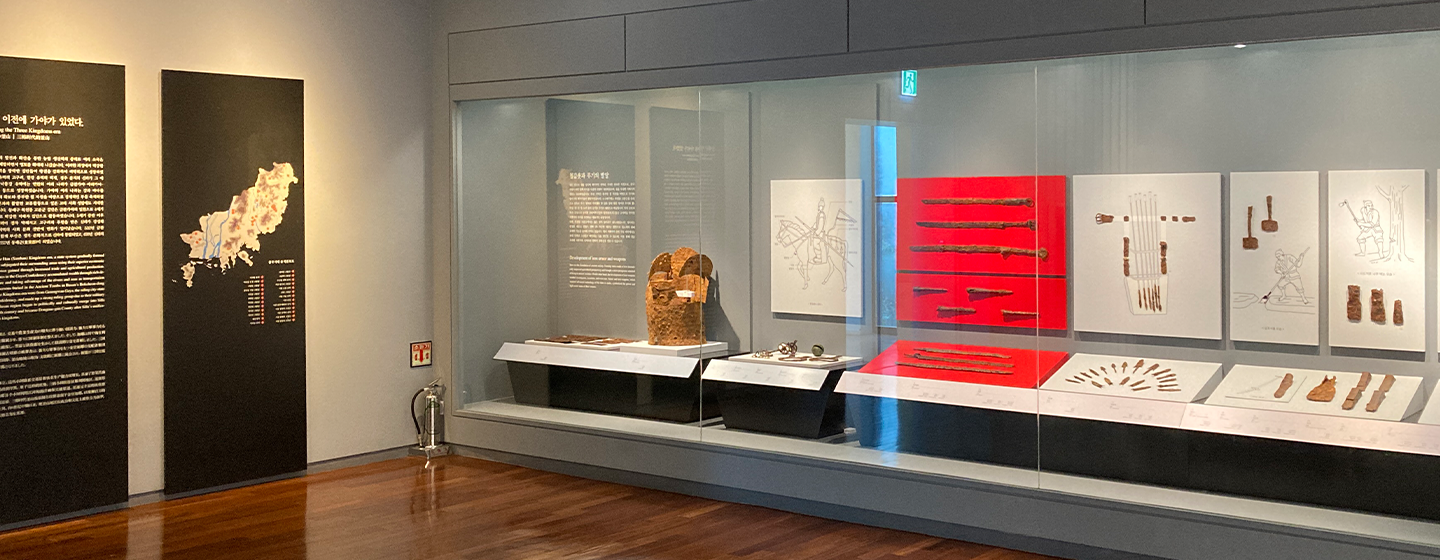
The Three Kingdoms and Gaya displays include iron armour, weapons, pottery and ornaments from the Bokcheon-dong and Yeonsan-dong tombs. Their craftsmanship is striking, but their burial context matters too. The scale of a tomb and the objects placed inside it offer clues to hierarchy, authority, technology and exchange. Rather than projecting modern municipal boundaries onto ancient political communities, pay attention to where an object was excavated and when it was made. Those details make comparisons between neighbouring sites much more useful.
Objects from impressive tombs do not represent everybody’s daily experience. Material from settlement sites in Gijang and Gangseo helps broaden the picture beyond elite burials. Moving from a suit of armour to a cooking or storage vessel shifts attention towards the work and meals that sustained society. With children, try choosing one exceptional object and one everyday object, then discuss why each mattered. The point is not to memorise every name, but to notice the difference between ceremonial distinction and ordinary necessities—and to see why a museum needs both.
Joseon Dongnae: conflict, negotiation and exchange
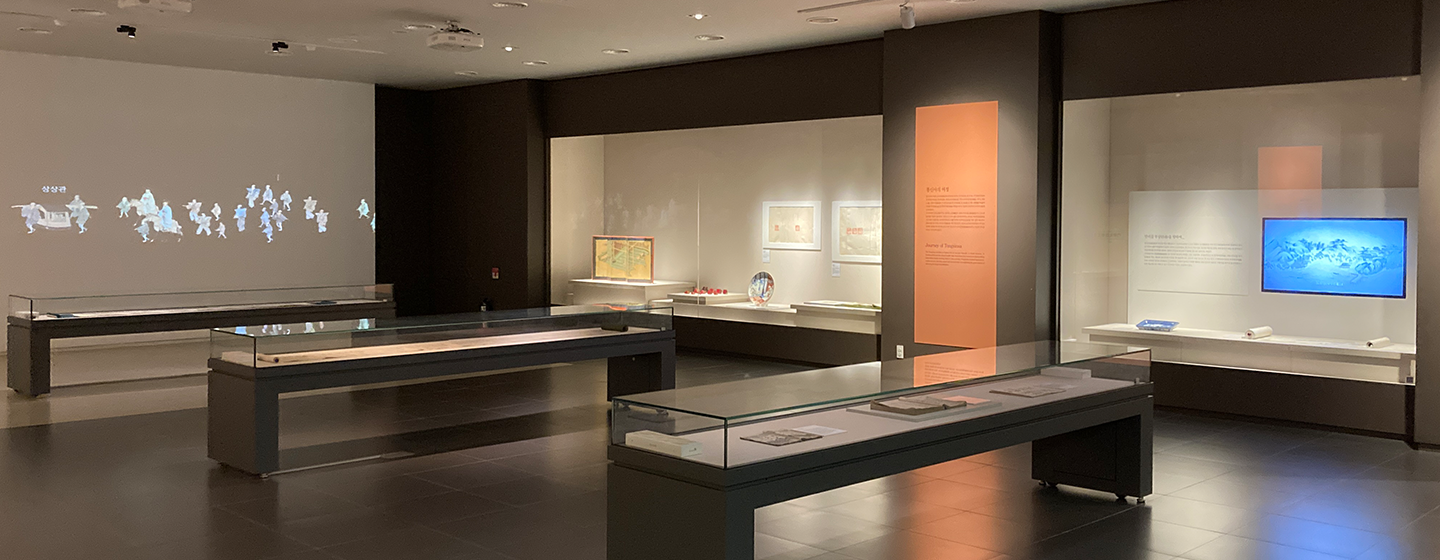
The Joseon section introduces Dongnae’s administrative, educational and military roles. This was an important meeting point with the world across the sea, quite different from the leisure destination many visitors encounter today. Displays concerning the 1592 Japanese invasions and the fighting at Dongnae invite consideration of both wartime upheaval and later remembrance. Look beyond the sequence of battles to ask who recorded events and how they were commemorated. An event and the ways later generations remember it are related, but they are not the same thing.
The Joseon Tongsinsa diplomatic missions and trade through the waegwan reveal another side of these relationships. Diplomacy after war required interpreters, ceremonies, negotiation and agreed rules; the movement of goods depended on institutions as well as ships. Instead of treating the material as a simple celebration of international exchange, consider how people with different languages and political systems maintained contact. Cooperation and tension could coexist. The familiar description of Busan as a city facing out towards the sea becomes more meaningful when connected to these practical arrangements.
Reading port development alongside colonial rule
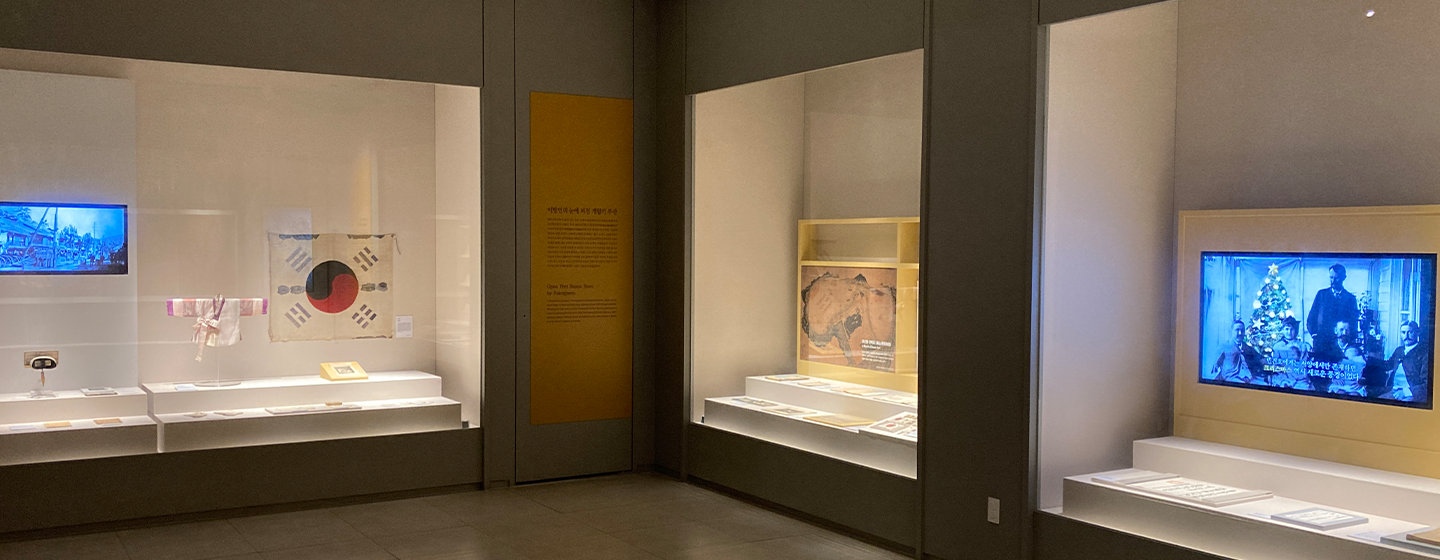
The modern-history galleries trace changes after the port opened in 1876. Trade and administrative structures, foreign activity and alterations to urban space reshaped Busan’s connections with the outside world. Yet unfamiliar buildings and new consumer objects should not automatically be read as evidence of uncomplicated progress. The exhibitions also address colonial exploitation, resistance and the independence movement. Asking who gained opportunities and who experienced control or discrimination gives the idea of modernisation a more human, and more difficult, dimension.
For photographs and documents, look first at their date and purpose. The same harbour or street might be represented as a place to visit, an area to govern or a setting in which to earn a living. Comparing these records with the earlier diplomatic displays can be revealing. Being internationally connected means little without considering the conditions and power relationships involved. This way of looking may stay with you when you later walk through Busan’s older urban areas: a building or street name can become a starting point for questions rather than simply a photographic backdrop.
From a wartime refuge to a contemporary city
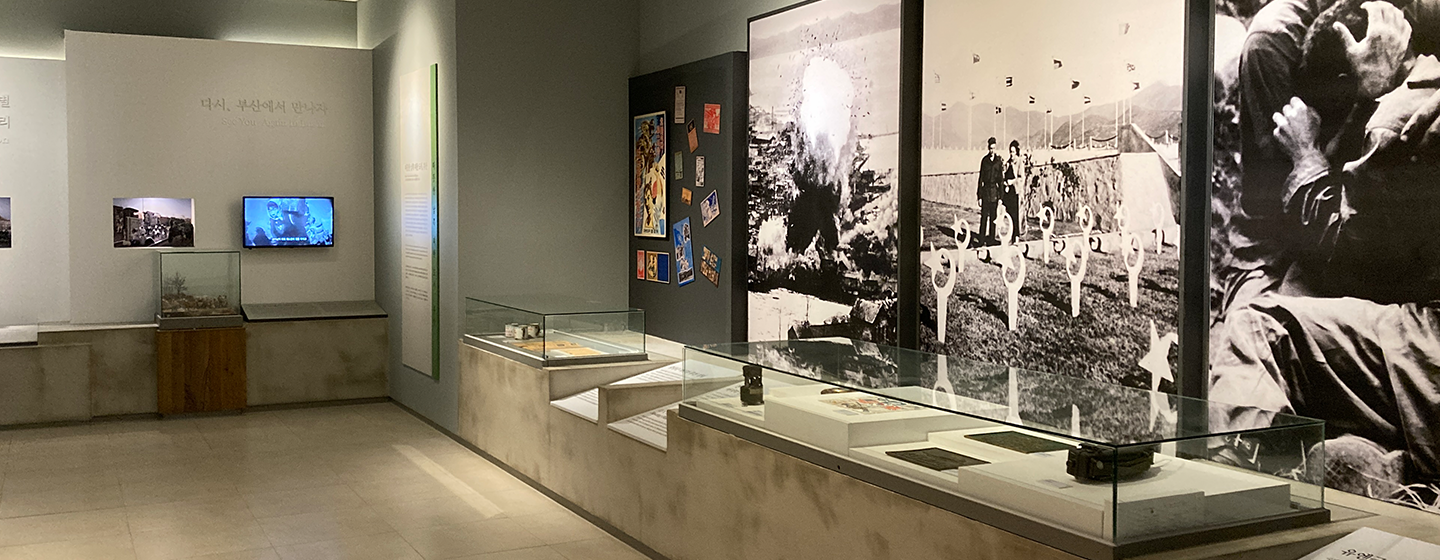
The contemporary section brings together liberation, the Korean War, industrialisation and democratisation through objects, photographs, films and models. Busan’s role as a refuge during the war is well known, but the displays help restore a human scale to that description. Finding shelter, preparing food and waiting for news of relatives remained urgent tasks within enormous national events. Concentrating on what an ordinary object did, rather than how impressive it looks, helps turn a historical timeline into an account of daily needs and decisions.
Industrialisation and democratisation are also better understood as processes shaped by different people than as a single finished achievement. Consider the connections between production, labour, urban growth and citizens’ demands. Take a moment with a photograph: notice the density of a space or the expressions of the people within it. The energy visitors encounter in markets and neighbourhood streets rests on histories of migration, settlement, work and community. This gallery offers a way to connect those histories with the living city outside, without assuming that everyone experienced change in the same way.
The relocated Donations Gallery and a small bronze masterpiece
The Donations Gallery, relocated in September 2026, makes clear that citizens help shape the museum’s memory. Its announced selection comprised 213 pieces drawn from more than 19,000 objects donated since the museum opened, ranging from traditional paintings and ceramics to modern household items and photographs. Individual displays can change for conservation or rotation, so check availability if one particular work is essential to your visit. Donation itself is part of the story: an object once kept privately can become evidence through which a wider public understands the city.
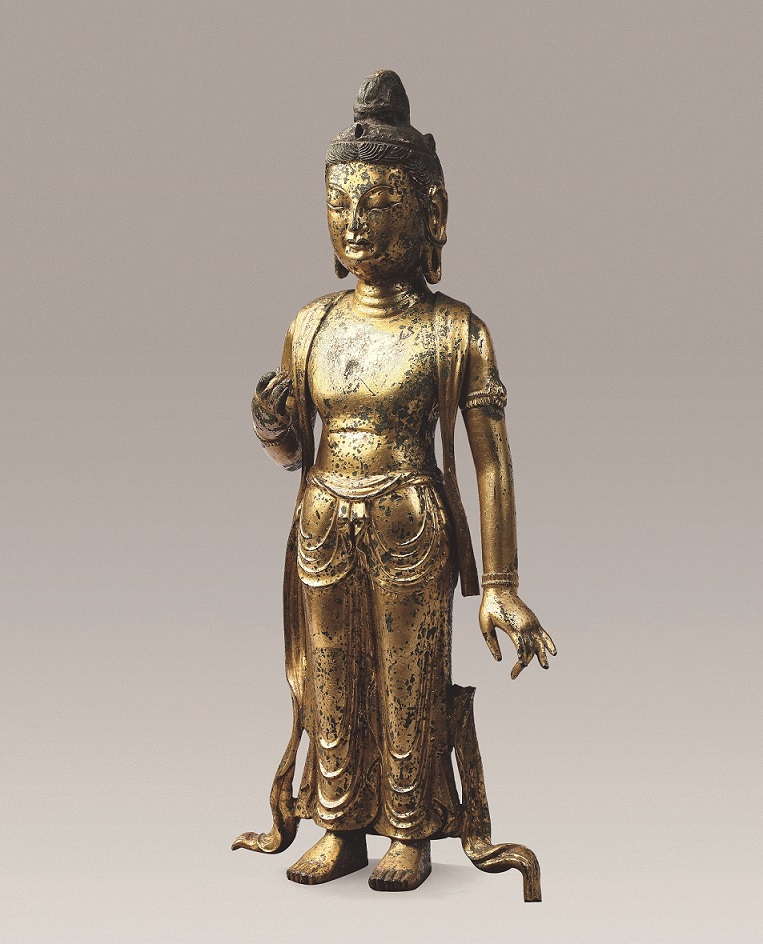
One notable collection highlight is the National Treasure gilt-bronze standing Bodhisattva, a late-eighth-century Unified Silla figure measuring just 34 centimetres high. Its scale encourages close attention to the shoulders, the curve of the waist, the falling drapery and the restrained expression around the mouth. Parts including the crown, halo and base no longer survive. The remaining gilding and missing elements together reveal something of the object’s passage through time. It deserves more than a glance at its designation: its presence lies in the relationship between small dimensions and carefully modelled form.
Seo Young-hae and the work of speaking to the world
The announcement of the redesigned Donations Gallery also named a large white porcelain jar, a portrait of Lee Deok-seong, a Korean declaration of independence and a typewriter used by Seo Young-hae. These objects call for different kinds of attention. A ceramic vessel invites examination of shape, surface and technique; a portrait raises questions about dress, identity and representation. A document or typewriter asks who was speaking, what they wanted to communicate and whom they hoped to reach. Changing your approach according to the object keeps the exhibition from becoming a repetitive sequence of display cases.
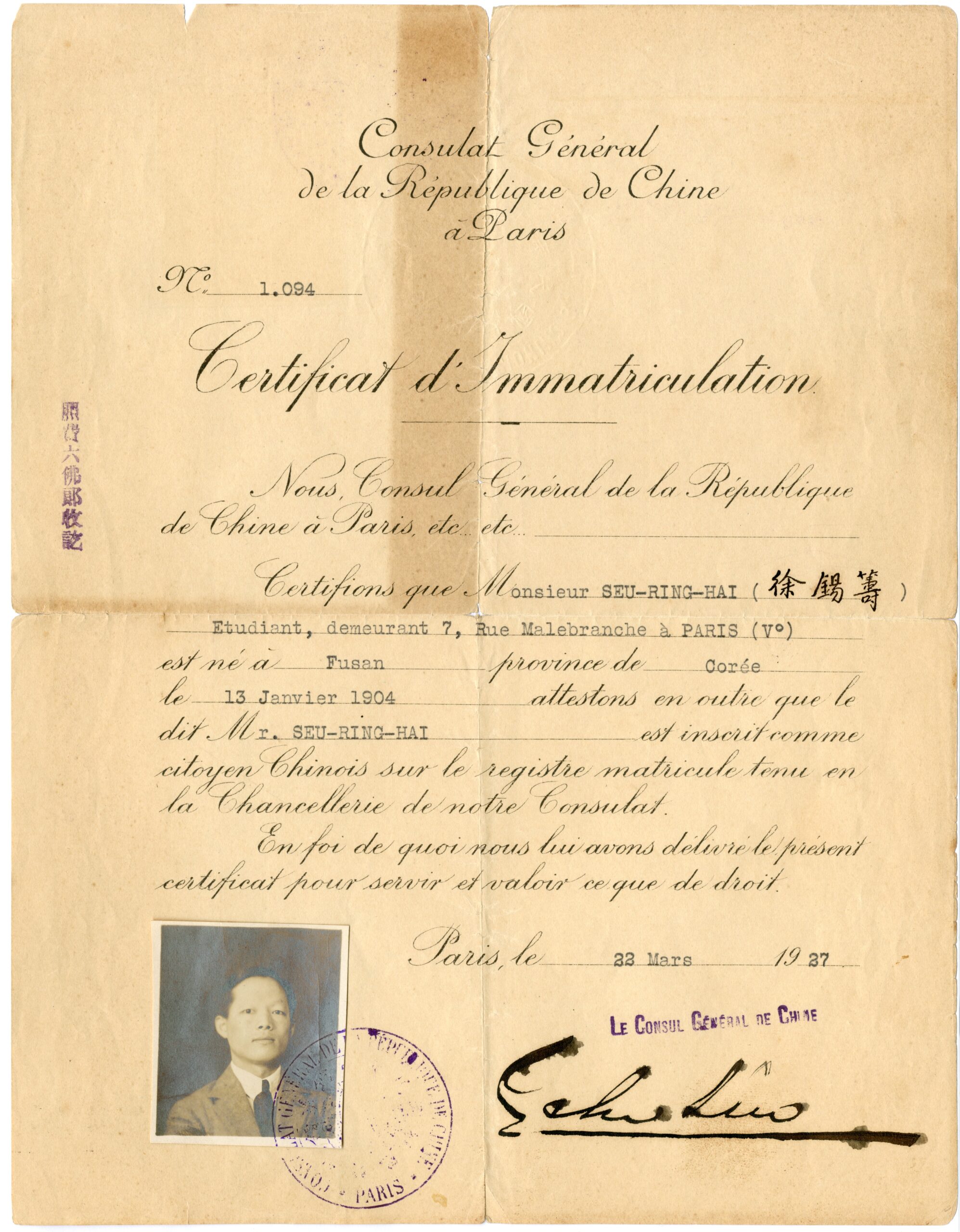
Seo established the Koryo news agency in Paris in 1929, using journalism and publishing to explain Korea’s independence cause, culture and history to European audiences. In 1936 he was appointed the Korean Provisional Government’s special representative in France. The museum’s related records illuminate activities centred on Paris and Geneva. For an international visitor, this history is particularly resonant: Korea’s past also involved translating its situation and persuading people abroad. The document shown in this article is a separate item from the typewriter; seeing them as different forms of communication helps clarify their historical roles.
Booking tea and traditional clothing activities
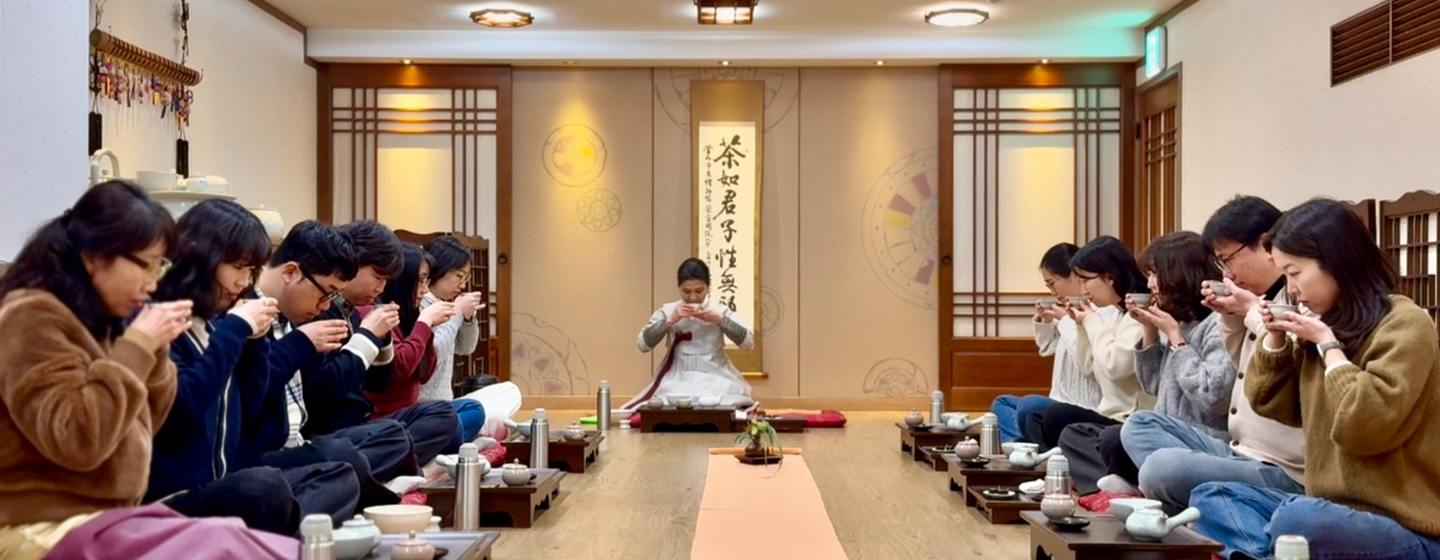
The Cultural Experience Centre offers a more participatory complement to the galleries. Its tea programme introduces the history and etiquette of tea and the process of preparing and drinking it in a session lasting about 40 minutes. It is intended for participants aged ten and above, corresponding to Korean elementary grade four, and requires advance booking. Listed start times are 10:30, 13:30, 15:00 and 16:30. Think of it as an opportunity to learn a sequence of gestures and the use of utensils, rather than simply a stop for a free drink.
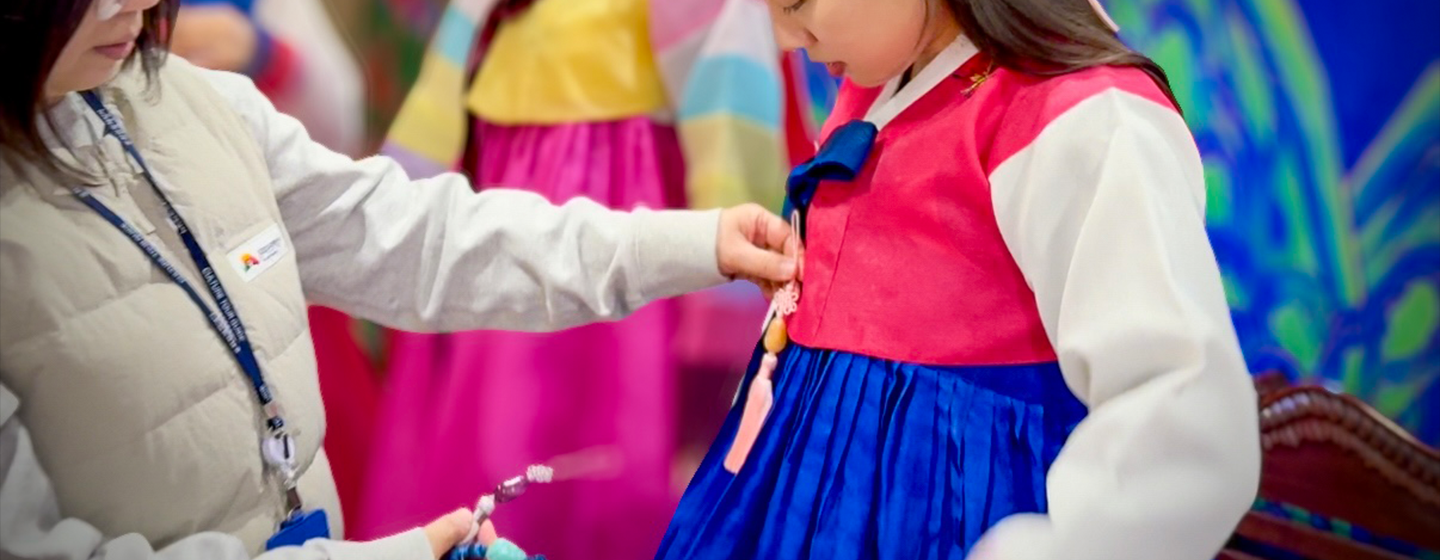
The ordinary traditional-clothing programme introduces garments such as jeogori jackets, skirts, dopo robes and gat hats. Advance booking is also required; the listed sessions last about 40 minutes and accommodate six people, starting at 10:40, 13:10, 14:30 and 15:50. Arrive ten minutes before your reservation. Between 12:00 and 13:00, the centre is available for viewing but not activities. Check language assistance, availability and participation conditions when booking rather than assuming every session is conducted in English. The centre’s enquiry number is 051-610-7156.
Audio guides and a time-limited garden exhibition
A free audio guide is useful if reading Korean labels is difficult. The service covers Dongnae Hall and the Joseon, modern and contemporary sections of Busan Hall in Korean, English, Chinese and Japanese. Access is through an on-site QR code without installing a separate app; bring your own earphones. The museum does not necessarily support every language in which this article is available. Companions can listen in different languages and discuss a favourite object afterwards, using the guide as a shared starting point rather than a requirement to hear every recording.
If your dates coincide, the special exhibition on Joseon gardens, running from 13 October to 13 December 2026, adds another perspective. Admission is free. Paintings, crafts and audiovisual material explore gardens as places for contemplating nature and exchanging ideas. Its separate free audio guide is offered in Korean and English. Keep this dated exhibition distinct from the permanent visitor information: after 13 December, the programme may change. Following the garden exhibition with a walk outside can make a pleasing transition between the ideas encountered indoors and the museum’s own outdoor setting.
Finishing among the outdoor stone heritage
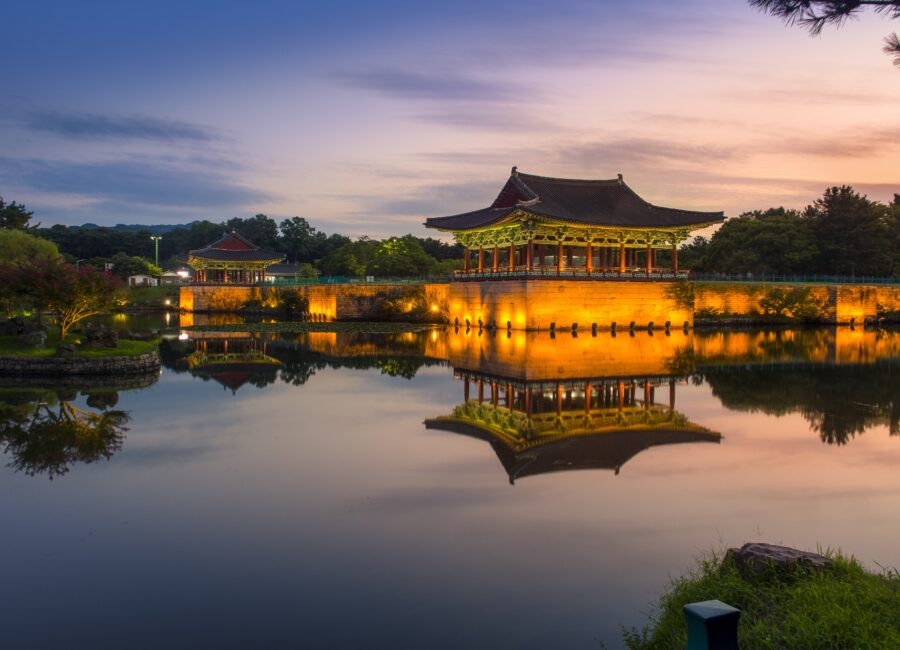
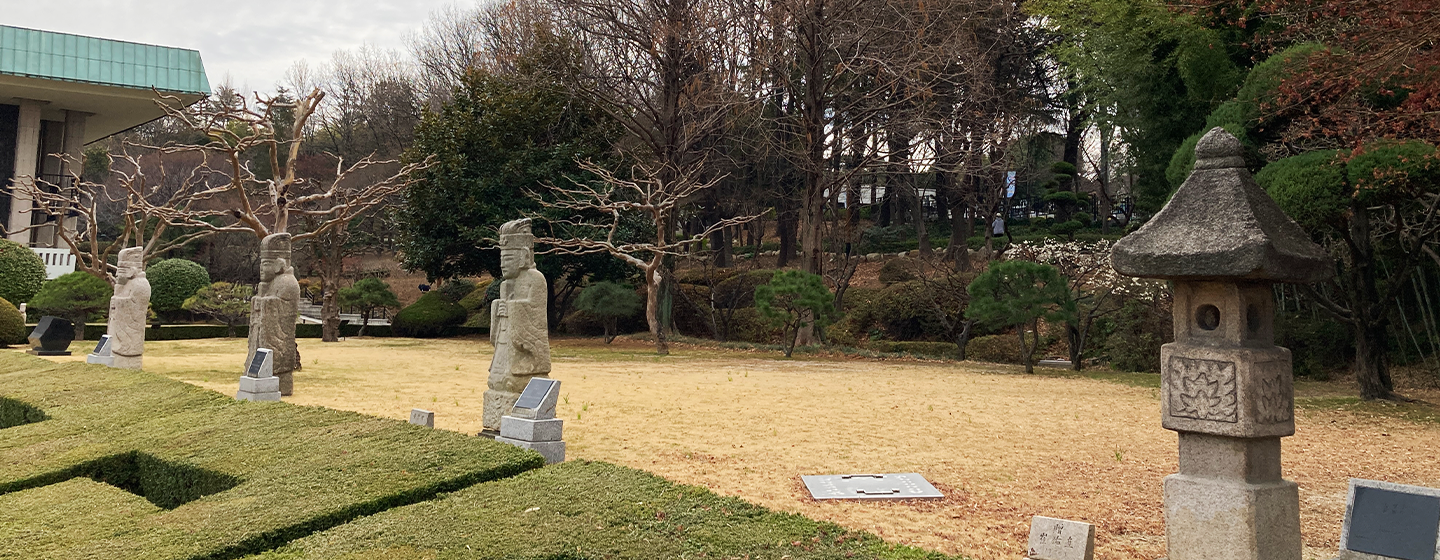
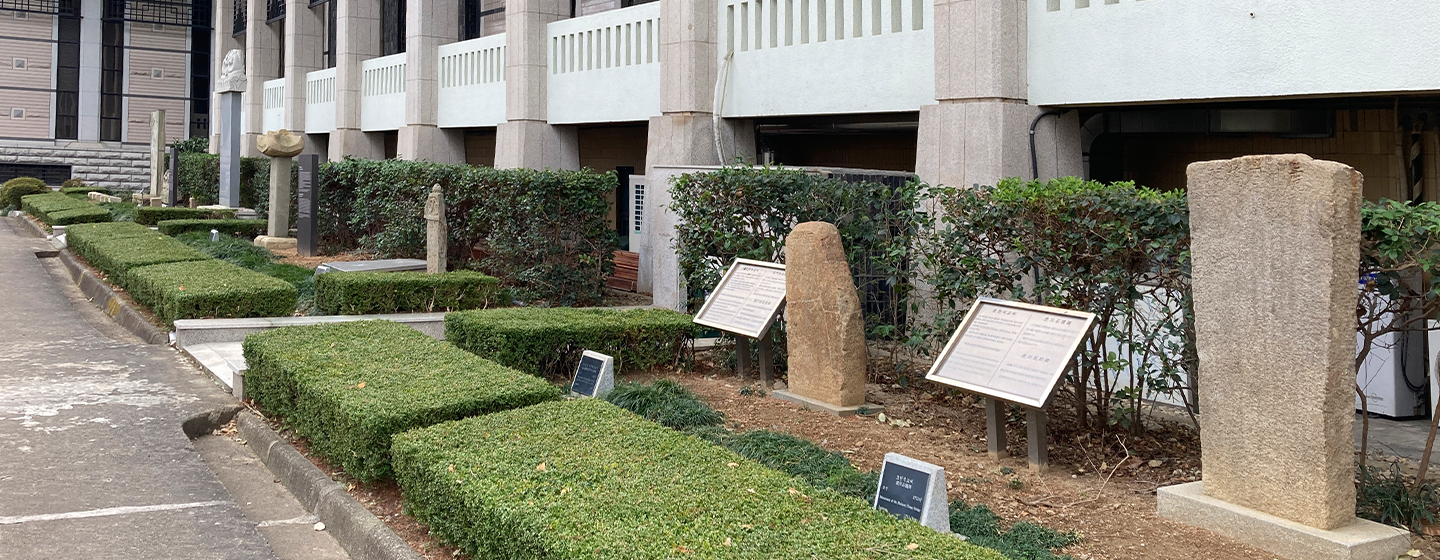
Leave a little time before returning to the station for the outdoor displays. Stone pagodas and Buddhist figures, commemorative stelae, millstones and mortars extend the visit beyond the building. After viewing objects through glass, the scale and surfaces of stone works become easier to relate to the surrounding space. The walk is especially appealing in comfortable weather. If it is raining or the ground is wet, slow down and shorten the route rather than trying to cover every corner simply because it appears on a plan.
The shared material does not imply a shared purpose. A Buddhist sculpture, a monument recording a person or event, and a tool used in food preparation belong to different systems of belief and everyday life. Observe the form first, then use the label to test your interpretation. Photograph overall shapes and details from the visitor areas without climbing on or handling the objects. Indoors, follow the photography signs for each gallery and leave circulation space for others. A careful look usually reveals more than moving closer at the expense of the display or another visitor.
A focused two-hour visit or a fuller half day
With roughly 90 minutes to two hours, move from prehistoric life and ancient objects in Dongnae Hall to Joseon exchange and modern lives in Busan Hall, then choose highlights in the Donations Gallery. That may not be enough time to read every panel. Selecting one object to remember from each period gives the route a clearer focus. With children, include a rest and compare objects encountered earlier rather than turning the visit into a test of names and dates. The suggested timing is flexible, not a promise that every visitor can cover the same ground.
For three to four hours, place a booked tea or clothing session in the timetable first, then fit permanent galleries, the special exhibition and outdoor displays around it. This avoids reaching the far end of a gallery just before an activity begins. You can combine the museum with the nearby UN Memorial Cemetery and a meal in Daeyeon-dong, but these are separate visits with different atmospheres. Decide according to energy and remaining time. The museum suits a half day spent understanding one area, rather than a schedule built around the largest possible number of stops.
Getting there and practical details
The address is 63 UN Pyeonghwa-ro, Nam-gu, Busan. The museum recommends Exit 3 at Daeyeon Station on Metro Line 2, walking towards the UN intersection; its guidance estimates about ten minutes on foot. Allow extra time for traffic lights, luggage or mobility needs. Opening hours are 09:00–18:00, with last admission at 17:00. Permanent admission is free. Regular closure days are Mondays and 1 January; when Monday is a public holiday, the next weekday is the closure day. Check date-specific notices around holiday periods.
General enquiries are on 051-610-7111. The information desk lists three wheelchairs and three strollers, so visitors who need one should check availability on 051-610-7150 rather than assuming an unlimited supply. Bring earphones, a charged phone and comfortable shoes, and leave enough visiting time instead of arriving at the final admission deadline. The most valuable result of a visit is not the number of objects seen. It is the ability to return to Busan’s streets and shoreline with better questions, richer associations and a clearer sense of the people whose lives made the city.
Reviews 1
English support
Public visitor review summary
I enjoyed spacious history galleries but wanted fuller English explanations, especially for the timeline.
A little closer to Korea.
Thank you for reading.