
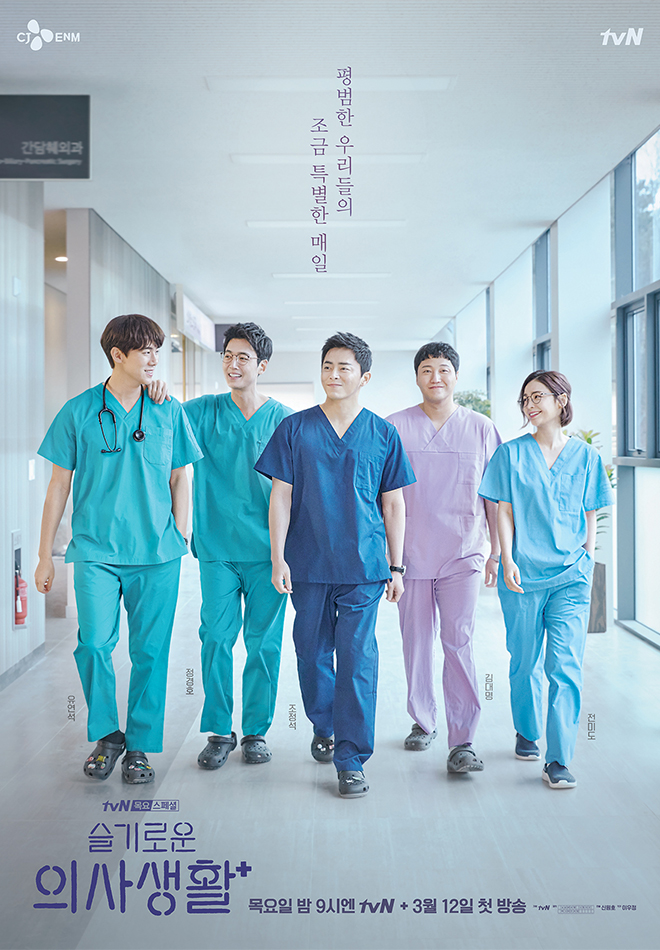
Would your oldest friends still recognise you after a difficult working week? In Hospital Playlist, the answer often arrives over a meal or a slightly chaotic band rehearsal. Five doctors, friends since medical school, find themselves working at Yulje Medical Centre. Together, they can be competitive about food, teasing and wonderfully ordinary. Being competent at work does not mean leaving your playful self behind.
Director Shin Won-ho and writer Lee Woo-jung build a drama around continuity: people return to work, meet again, worry about someone, and make time for another song. The two seasons, released in 2020 and 2021, have twelve episodes apiece. This introduction covers the starting situation and broad character dynamics without revealing the major romantic outcomes. Expect an ensemble workplace drama with comedy, music and love, and leave room for stories about patients that can be much harder to watch than the friendly publicity suggests.
Finding your bearings at Yulje
The opening does not introduce everyone in a neat queue. Doctors appear in different settings, family relationships intersect with hospital business, and the history between the friends is already extensive. At first, it can feel like arriving late to a reunion. The important anchor is simple: they entered medical school together in 1999, and the present-day story brings their working lives into one hospital. You are learning an existing friendship rather than watching five strangers form one.
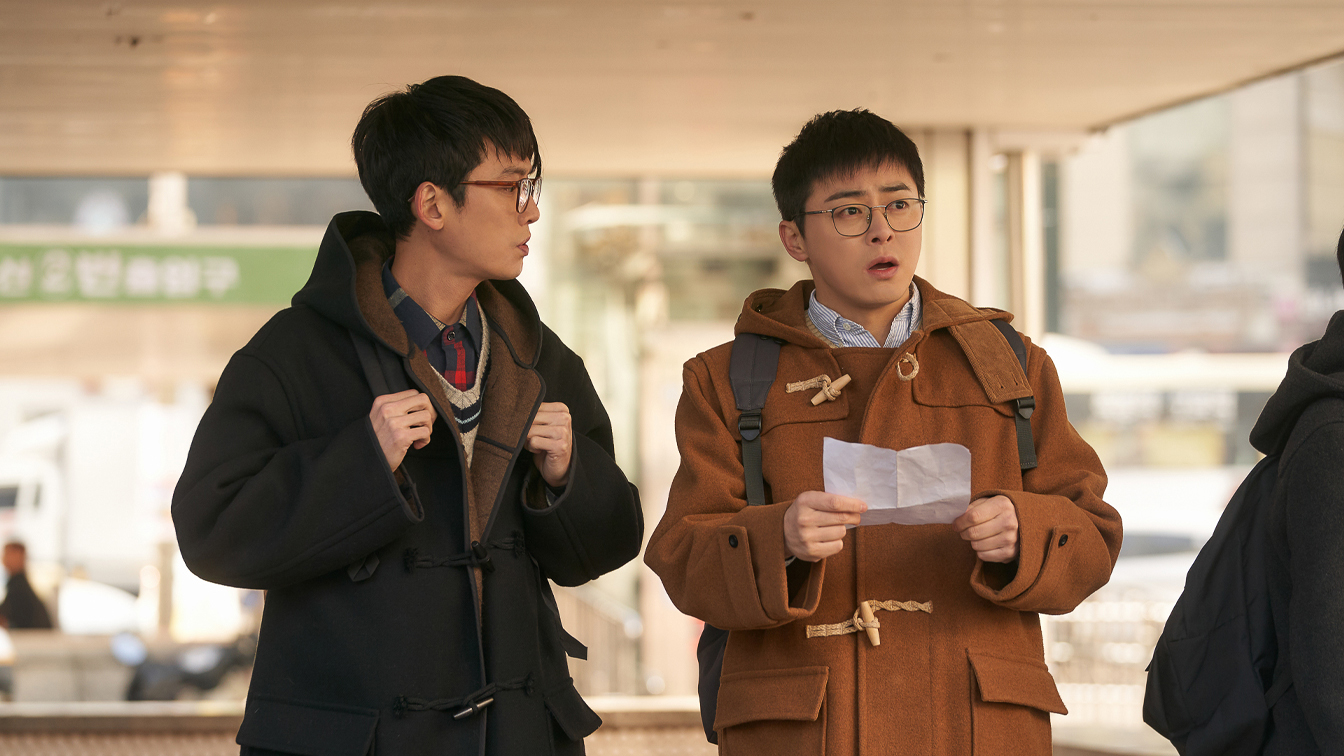
For the first two episodes, pay attention to three things: each doctor’s specialty, the way that person behaves with colleagues, and the change when all five sit together. You do not need to memorise every resident immediately. Faces can become familiar before names do. Jokes become funnier once you know who is usually quiet, who cannot resist interfering, and who eats fastest.
The five people to remember first
Lee Ik-jun, played by Cho Jung-seok, works in hepatobiliary and pancreatic surgery. He is sociable, quick-witted and unusually good at moving between different groups of people. His scenes with his young son U-ju give the workplace story a home life with its own rhythms. The useful thing to notice is how often humour becomes a form of attention: a joke can make someone less anxious, but his easy manner does not erase the concentration his work requires.
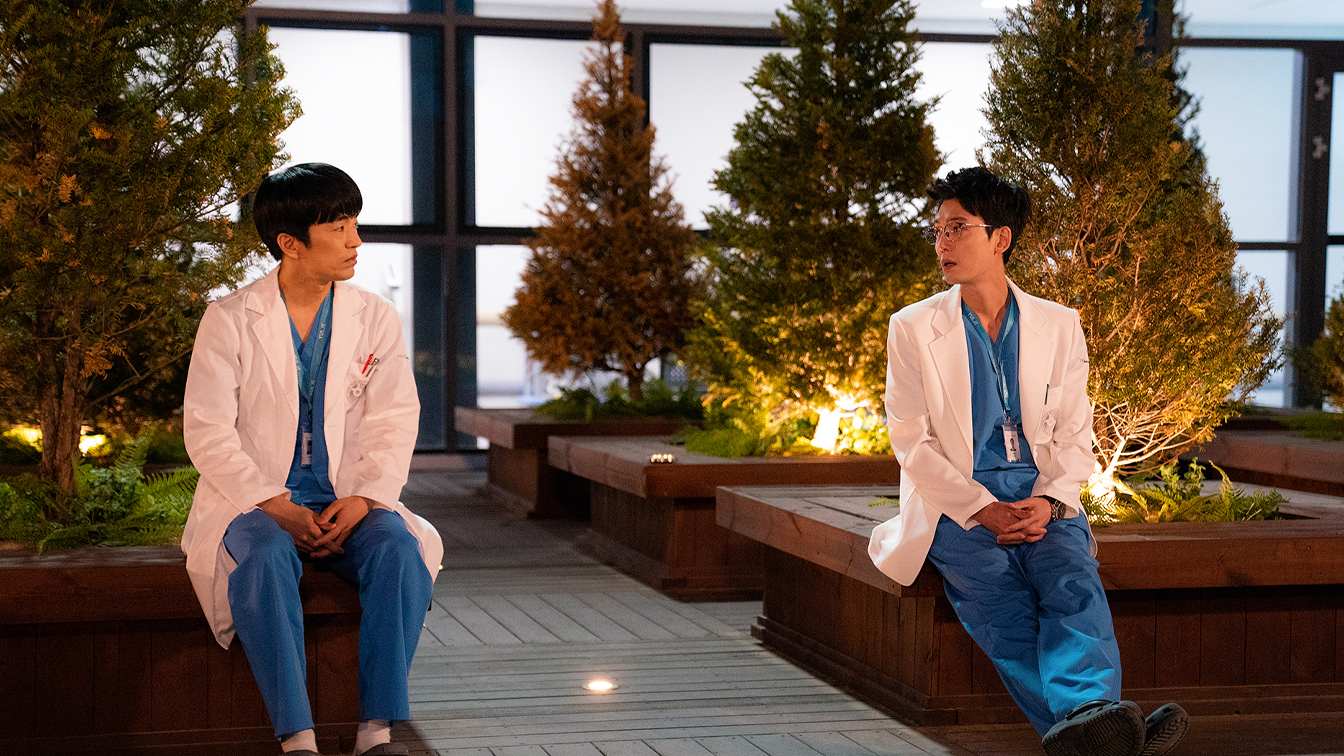
Chae Song-hwa, played by Jeon Mi-do, is a neurosurgeon whose calm authority draws younger colleagues toward her. She is neither a distant emblem of perfection nor simply the woman around whom four men gather. Her appetite, hobbies and confidence in the rehearsal room give her a life beyond professional excellence. Watch how she listens and teaches. Her appeal lies partly in making competence feel dependable, while the comedy gives that dependability a human texture.
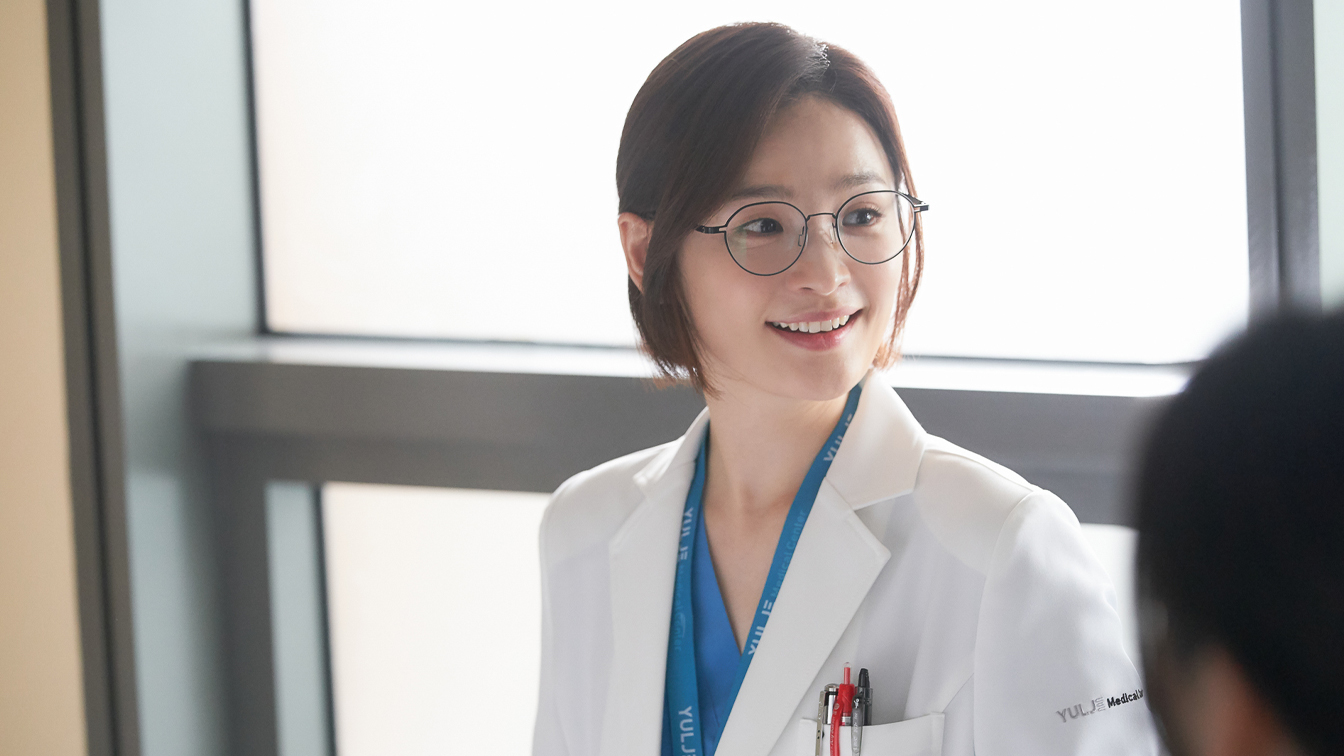
Ahn Jeong-won, played by Yoo Yeon-seok, is a paediatric surgeon whose tenderness toward children can be emotionally costly. His religious vocation is an important part of his early story, creating a question about what a good life of service might look like. He can be gentle at a bedside and frustrated with friends a moment later. That variation matters: kindness is shown as something a person keeps practising, not a personality that makes every decision easy.
Kim Jun-wan, played by Jung Kyung-ho, works in cardiothoracic surgery. His blunt manner and demanding standards can make him intimidating, especially to junior staff. The drama gradually asks you to distinguish a sharp delivery from the care behind it. His friendship scenes are particularly valuable because they loosen the severe image. A person who looks self-contained in the corridor can still need reassurance, company and someone willing to notice when he is struggling.
Yang Seok-hyeong, played by Kim Dae-myung, is an obstetrician-gynaecologist who is much less comfortable socially than several of his friends. His quietness creates a different tempo: conversations can require patience, and the audience has to notice what he does as well as what he says. His department also expands the emotional range of the series. Birth brings joy, but pregnancy and family expectations can involve fear and loss. His restrained presence gives those scenes room to breathe.
The best scenes are often about making space
For a younger viewer, forty-year-old specialists might initially seem far from university life or a first job. The connection is the negotiation around work: how to remain available to other people when a demanding career consumes your attention. These friends do not need identical temperaments to keep a bond alive. They recognise one another’s habits, tolerate irritating jokes and return to shared rituals. The series makes friendship feel like repeated practical effort, with pleasure built into the repetition.
Food is part of that effort. A shared meal gives the camera a reason to hold the group in one space, and small competitions or interruptions reveal relationships without an explanatory speech. These scenes can look like pauses in the plot, but they are often where the friendships become convincing. Those meals may become as memorable as the openly emotional scenes.
The band gives the group another shared room and another set of roles. Hospital hierarchy becomes less important when everyone has to listen to the same rhythm. Familiar Korean songs carry a sense of memory for some viewers; for an international newcomer, the performances can simply be a route into the characters’ moods. You do not need to know the original recordings to understand the release after a difficult day. The pleasure comes from hearing people do something together for its own sake.
Music also creates a useful contrast with professional achievement. A rehearsal can contain mistakes, teasing and enthusiasm without turning into a test that determines someone’s future. That is an attractive idea when every hobby starts to feel as if it must become a side business or a public performance. The band offers a modest alternative: make room for a practice that belongs to your friends, even if nobody needs it on a résumé.
Look beyond the central table
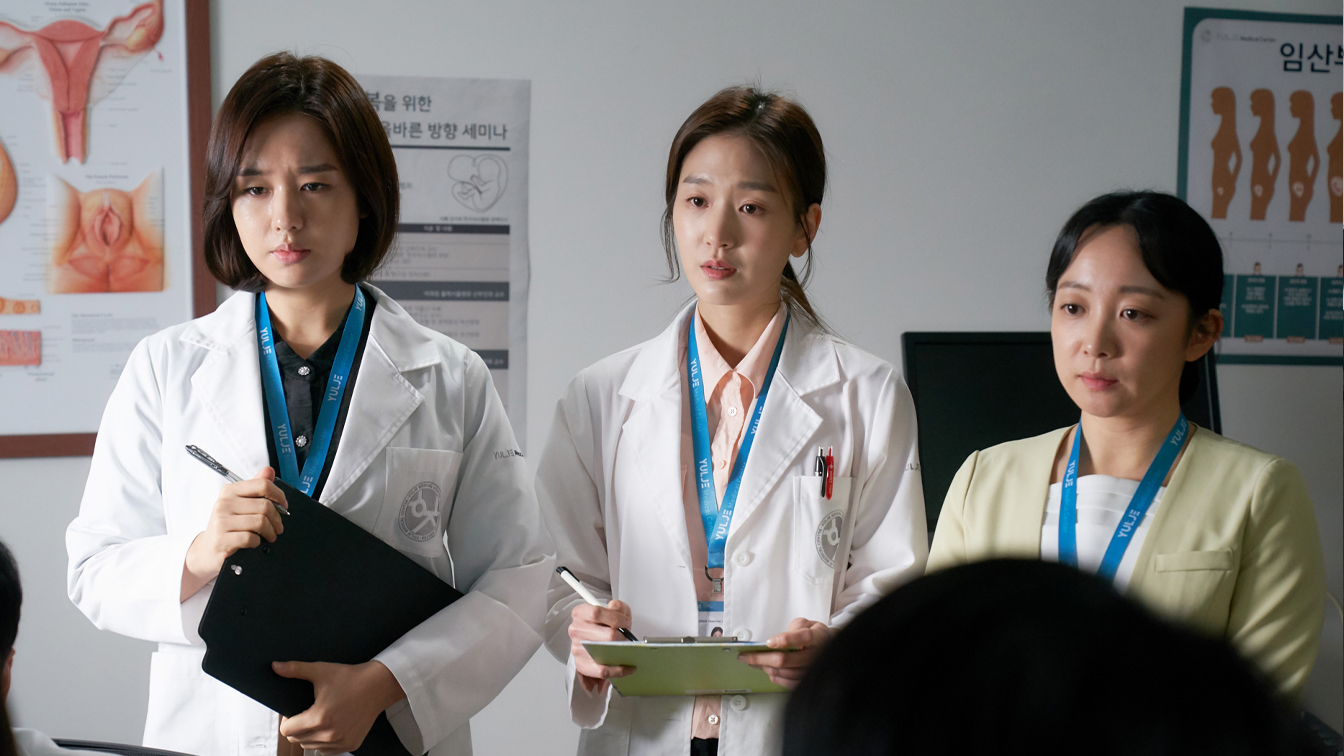
Yulje is populated by residents, nurses, medical students and families, and the show becomes richer when you stop treating those people as background. Jang Gyeo-ul and Chu Min-ha have uncertainties and ambitions of their own; Do Jae-hak adds another perspective on learning under pressure. Their interactions with senior doctors make mentorship a substantial part of the drama. A good teacher does more than know an answer: the way a correction is delivered can affect whether a junior person dares to ask the next question.
The older generation matters, too. Jeong-won’s mother, Rosa, and Ju Jong-su bring companionship and family history into the hospital world. Their presence keeps the series from making romance between younger adults its only model of closeness. For viewers interested in Korean family dynamics, it is worth noticing how affection can appear through an errand, a meal or persistent concern rather than through a grand declaration. These are particular fictional families, not a template for every Korean household.
Patient stories change the scale of the narrative. A case that occupies one part of an episode may represent a family’s entire world that day. The series gains emotional force when it allows that imbalance to remain visible. Doctors must keep working after one outcome, while relatives may be living through an event they will remember for years. Notice whether a frightened person is being heard.
Why its warmth does not suit every evening
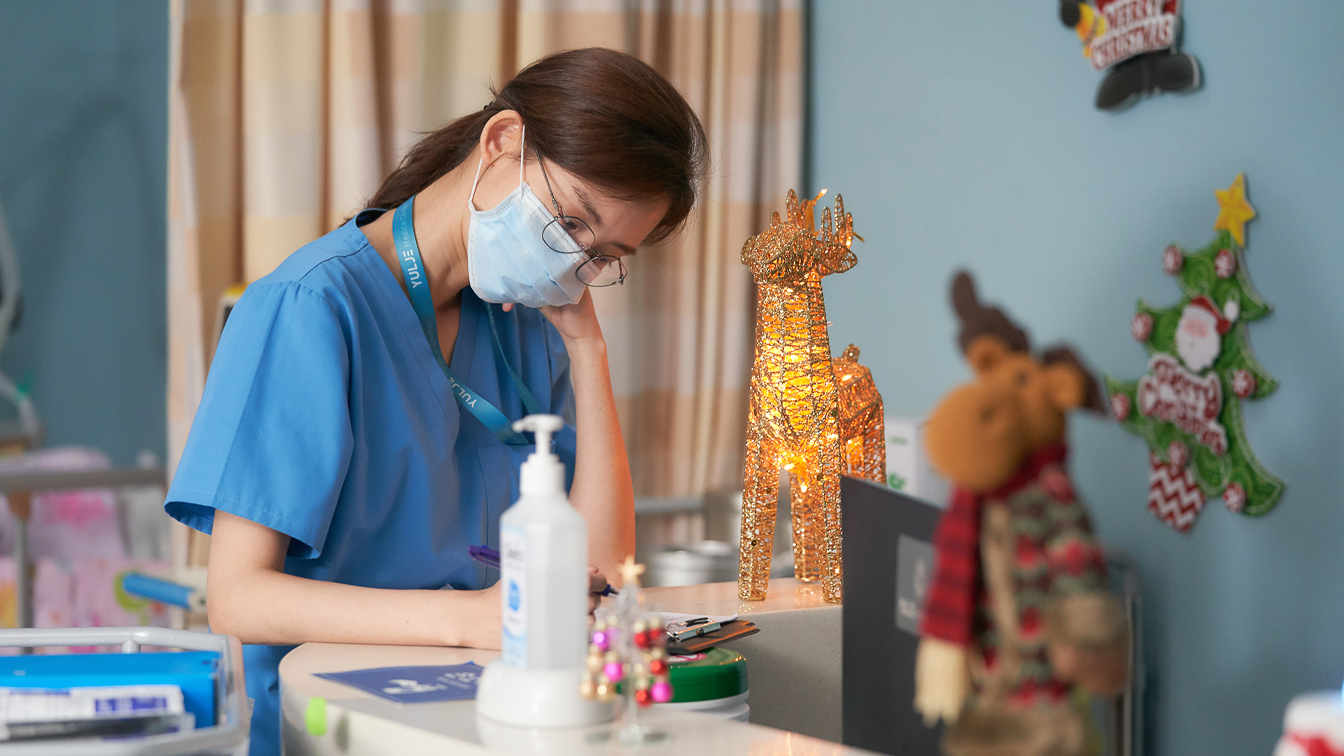
The warmth is real, but so are the difficult subjects: serious illness, death, bereavement, pregnancy loss, infertility and distress involving children. Surgery and hospital procedures are part of the visual world. Someone looking for an entirely carefree comedy may find the emotional turns exhausting. If a particular medical experience is close to home, choosing another show for that evening can be a sensible decision. A comforting reputation does not mean every storyline will feel comforting to every viewer.
There are also fair reasons to dislike the pacing. Episodes are long, many run well over an hour, and conversation often matters more than a dramatic reversal. If you prefer a tightly plotted mystery or a short romantic comedy, the time spent on meals, rehearsals and separate patients can feel diffuse. The large ensemble adds an early learning curve. Enjoying the actors does not automatically mean enjoying this particular rhythm, and its popularity is not a reason to turn leisure into homework.
The hospital is an idealised dramatic environment in some respects. The unusually supportive friendships and moments of generous mentorship are part of its appeal, but they should not be treated as a representative survey of real working conditions. You can value the humane behaviour the story imagines while recognising that institutions and exhausted workers face constraints a drama cannot fully capture. Its kindness becomes an aspiration to discuss, with the difficulty of care still in view.
A watch plan that leaves room to enjoy it
Begin with season one and give the opening your attention. The second episode is a useful checkpoint because the shared workplace becomes clearer. Ask whether you are curious about these five people and whether the everyday scenes make you want to stay. If the answer is yes, one episode at a time may suit the show better than a race to the finale. If the answer remains no after a fair try, there is no need to force an attachment.
Season two continues the same relationships, so skipping directly to it gives away the gradual familiarity that makes the series work. With a friend, compare which character surprised you or which patient encounter stayed with you. Romantic predictions are fun, but the ensemble rewards several different kinds of attention.
Netflix lists Hospital Playlist, but availability, age classification, subtitles and dubbed audio depend on your location. Check the title in your own account before arranging a group watch. Korean audio with subtitles lets you hear changes between formal workplace speech and the friends’ relaxed exchanges; dubbed versions can be a more comfortable choice if reading subtitles makes the ensemble difficult to follow. Choose whichever format helps you notice the people.
The lasting appeal is an approachable vision of adulthood: expertise without invulnerability, affection without constant ceremony, and friendship that survives because people keep showing up. Hospital Playlist is at its most persuasive when a small act of care feels worth remembering. For anyone wondering whether a busy future can still contain old jokes, shared music and people who know them well, that is a generous reason to spend time at Yulje.
Reviews 10
It became familiar after two episodes
Edited viewer review
At first I felt dropped into complicated relationships. Later, small gestures and dialogue made more sense.
Two episodes drew me in. I have watched it three times in six months, and it has become my favourite K-drama.
Dalaran_Guest · Reddit
I preferred the first season
Edited viewer review
I enjoyed the distinct personalities and especially the adorable little boy. For me, season one worked better than season two.
rcl20 · Reddit
The friendships took time to grow on me
Edited viewer review
It took several episodes to connect. I saw it as medical cases with continuing personal stories.
As I grew attached to the people and their friendship, I found parts of season two even more enjoyable.
emilcore · Reddit
I liked the friends more than the hospital cases
Edited viewer review
I loved the central characters, their friendship and their time outside work. After so many medical shows, the hospital side bored me. I stopped after season one.
Straight-Credit-60 · Reddit
A difficult opening, then relationships I cared about
Edited viewer review
The first episode introduced too much before I cared about anyone.
Beyond that, I loved the friendships, family connections and romance. One relationship had me eagerly waiting for the next weekly episode.
vegemiteeverywhere · Reddit
The supporting characters stayed with me
Edited viewer review
Watching several episodes together helped me keep track of the large cast. Many actors were already familiar to me, and I liked that the medical setting remained important without excessive technical detail. Seok-hyeong particularly interested me because an obstetrician-gynaecologist rarely takes centre stage in the medical dramas I had seen.
I enjoyed the series, yet became more attached to supporting characters, especially older ones, than to any single lead. I had favourite pairings and wished some scenes had gone differently. A few unfinished threads seemed intended to carry interest into the next season. Overall, I had a good time.
YogurtclosetSmart928 · Reddit
Three attempts did not make it click
Edited viewer review
I tried three times, reaching episode three on the last attempt. I like most of these actors elsewhere, but this series never connected with me. Medical dramas are already a difficult genre for me, and the opening felt disjointed.
I also could not accept the picture of doctors pushed to their limits finding time to bond in a cover band. I had wanted to share everyone’s enthusiasm, so it was disappointing to let it go.
IAmTheGreenCard · Reddit
Rewatching reveals more relationships
Edited viewer review
This is one of my favourites to revisit. I notice something new each time, and that feels rewarding. The meaningful connections extend beyond the five leads to their colleagues.
Hospital stories are bound to become heavy, but I like the way the show handles that weight.
sighjongs · Reddit
The music balanced the difficult subjects
Edited viewer review
I watched it in a binge and loved it. Grief and infertility made some stretches heavy for me, but the music and the bond between friends lightened the overall feeling.
Ill-Professional6235 · Reddit
A weekly visit suited me
Edited viewer review
I watched while the series was airing and found it really comforting. For me, some dramas work better as a weekly visit than as a binge.
It felt as though I was joining the friends and their band sessions. If that rhythm does not suit someone else, that is fine too.
Adorable-Inside712 · Reddit
A little closer to Korea.
Thank you for reading.


