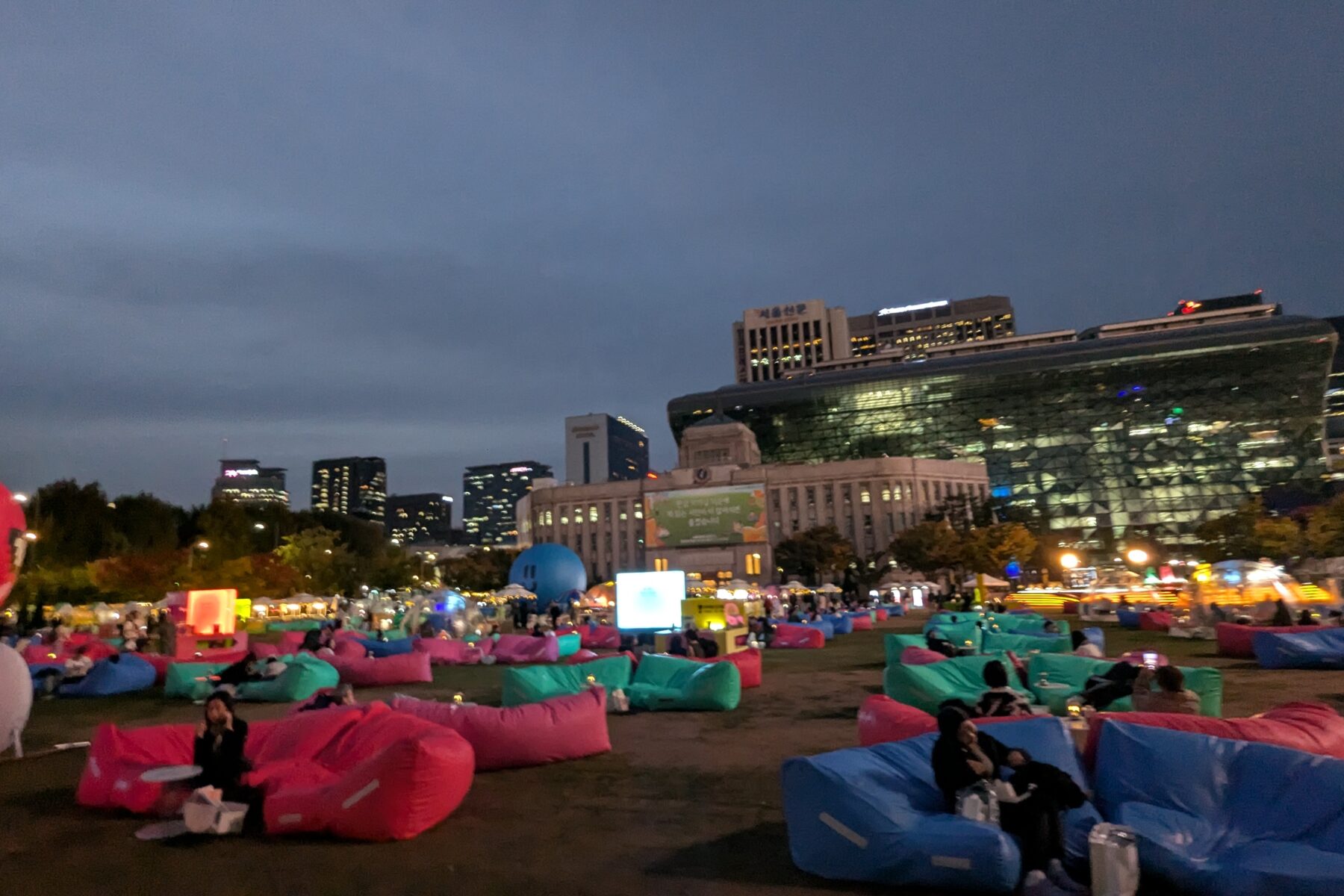
Sitting down where you usually pass through
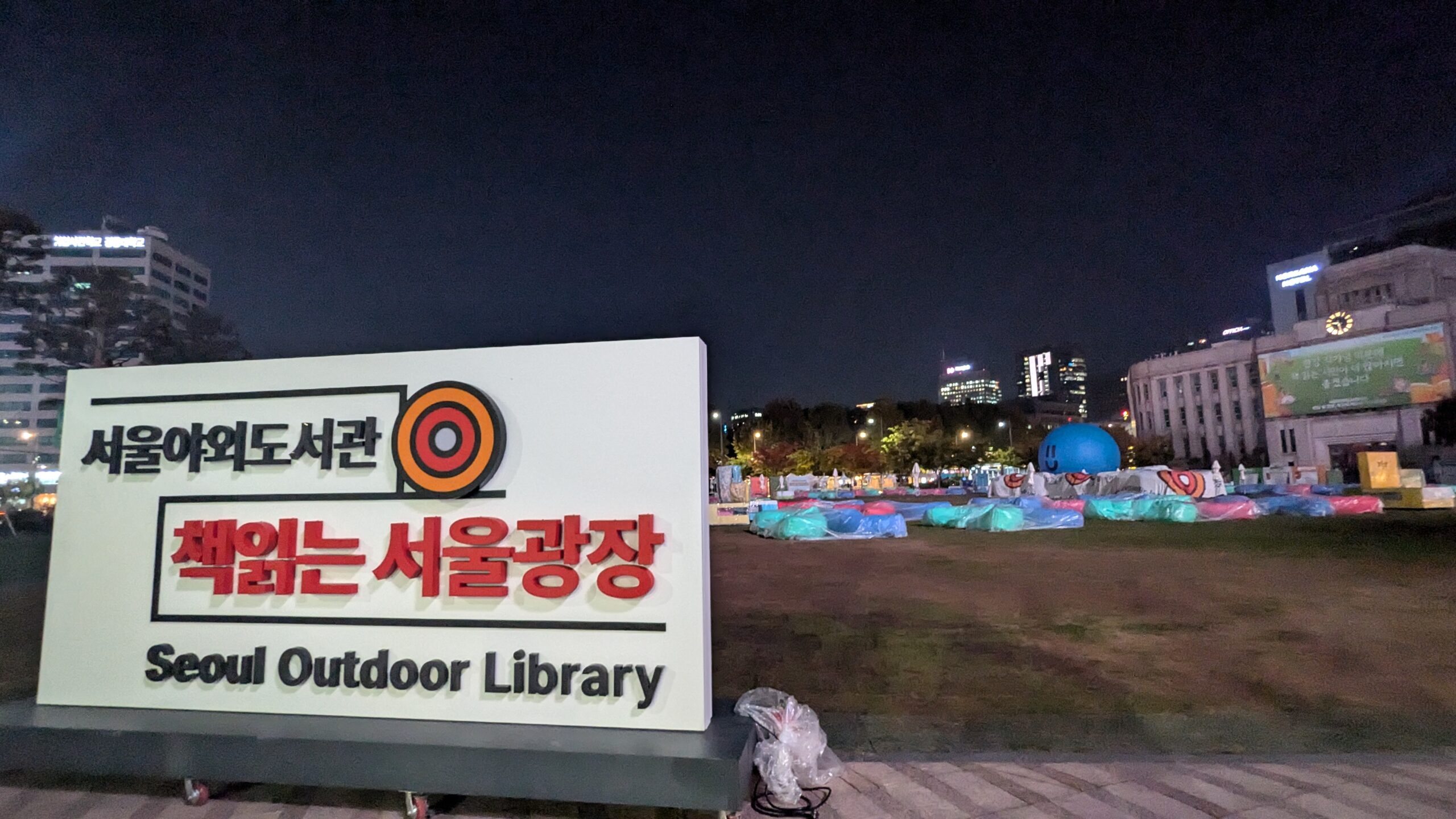
Travel often means moving towards the next place. Seoul Outdoor Library puts a chair between those movements. Open a book, and a square becomes somewhere to stay.
The official visitor listing gives this year’s season as April 23 to November 1. After its summer break, the autumn programme is approaching its scheduled end. It is a cultural outing to consider during October’s final week.
The three main settings are Seoul Plaza, Gwanghwamun Square and Cheonggyecheon. They offer different surroundings for the same simple activity. Choose the place where you would like to sit, rather than trying to collect all three.
Admission is listed as free. Special activities may have their own participation arrangements. Free access to the space does not guarantee a place at every talk or workshop.
The appeal is that reading need not become a grand undertaking. You do not have to finish a book. A few pages can be enough to shape an hour of travel.
From one square to three settings
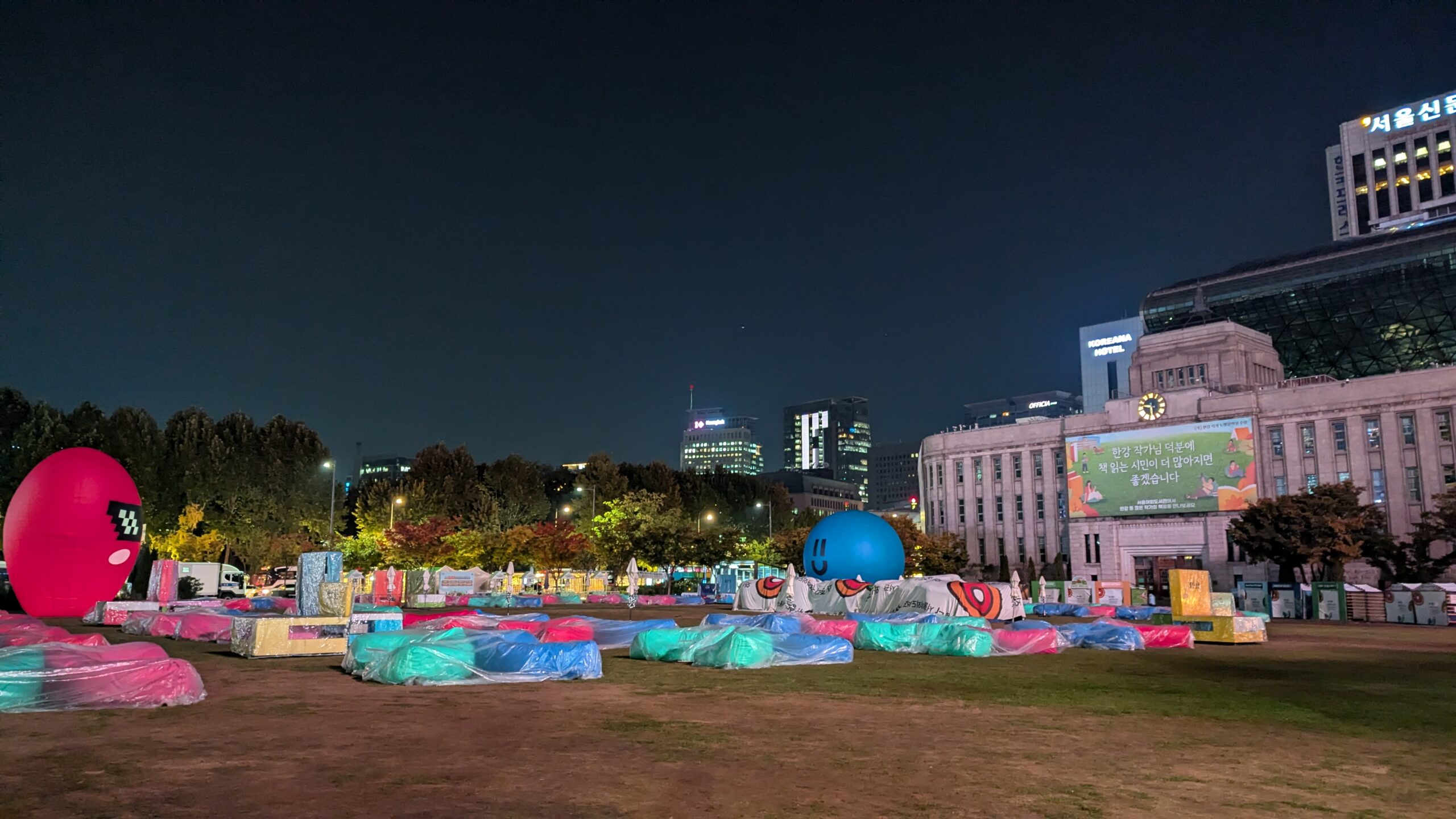
The project began with Read at Seoul Plaza in 2022. Gwanghwamun Book Yard followed in 2023, and Read at the Clear Stream in 2024. The library moved outdoors and encountered different faces of the city.
Inside a library, shelves often guide your movements. Outdoors, you first notice light, wind and somewhere to sit. Even the order of choosing a book can change.
A city street contains many different rhythms. Commuters, photographers and people taking a break share the scene. A reader becomes another part of that everyday landscape.
This expands the idea of a library beyond storing books. It becomes a place to spend time together through reading. A quiet room and an open square welcome readers in different ways.
Outdoor reading will not suit everyone equally. Wind or passing conversation can be distracting. Choosing a setting that works for you matters more than following a trend.
Seoul Plaza: together, with different books
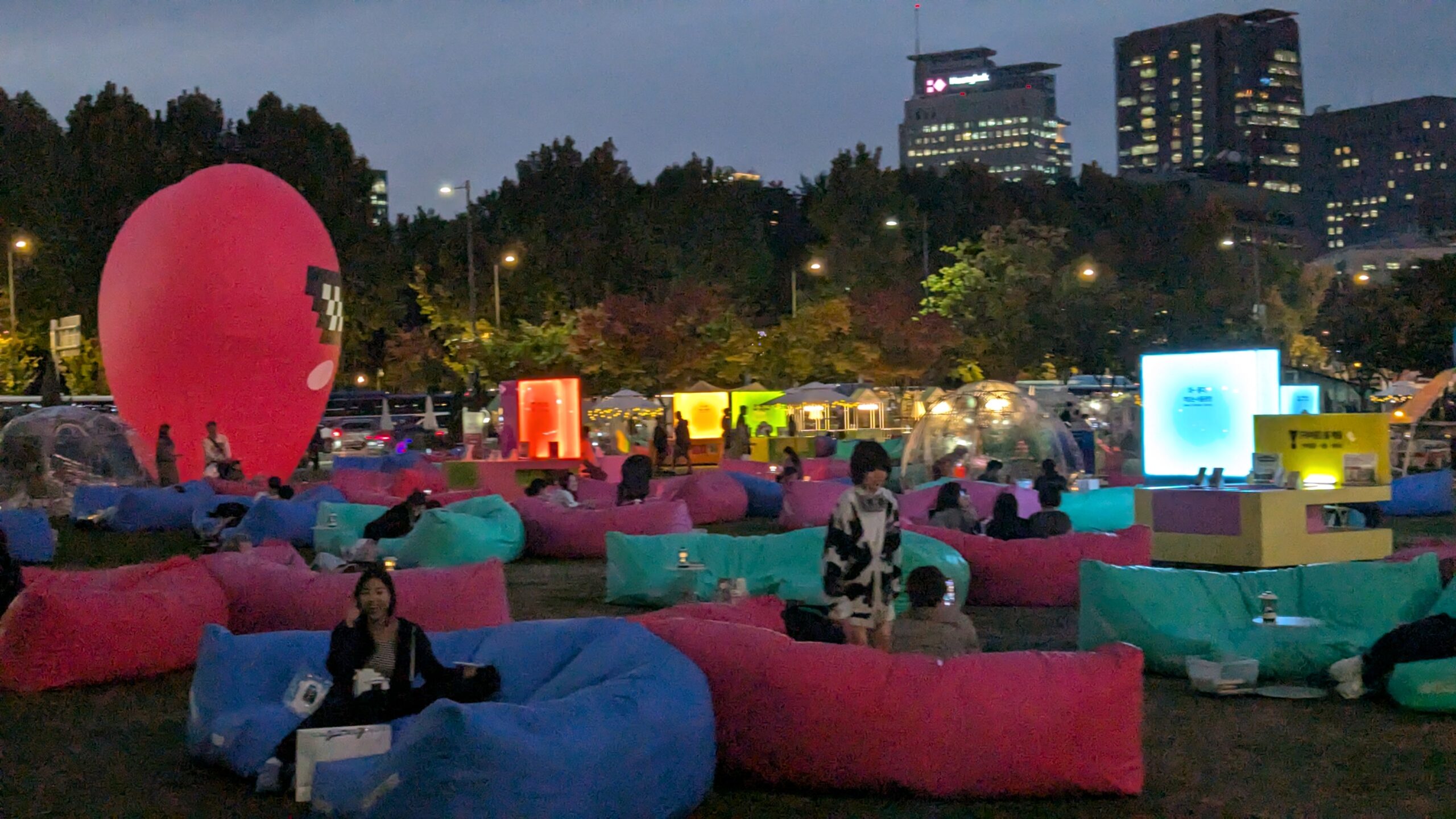
Seoul Plaza gives reading a broad urban backdrop. Friends do not need to choose the same book. Sitting beside each other can still mean entering different stories.
You need not commit to a long session. Try a short piece or a book with plenty of pictures. Becoming comfortable in a new place takes a little time too.
Conversation can come before and after reading. While someone is absorbed, give them space. Sharing the hour does not require a formal discussion about literature.
The plaza also hosts other urban activities. Events and changing layouts can affect the usable area. Look at the current signs when you arrive.
A photograph is one way to remember the visit. Frame it without making another reader’s face or page the subject. Their quiet time deserves consideration.
Gwanghwamun: a pause in the itinerary
Gwanghwamun Book Yard connects reading with a central-city outing. A busy sightseeing route gains a reason to stop. Choosing a book changes the pace of the afternoon.
There is no need to add another long activity between a palace and an exhibition. A short reading break can be enough. The question becomes what to notice slowly, rather than what else to fit in.
The programme also lists the indoor Gwanghwamun Lounge. Its hours are separate from the outdoor spaces. The outdoor season’s end does not by itself determine indoor access.
The official information treats the lounge as a distinct operation. Check its opening arrangements and holiday closures for your date. That creates a concrete alternative if outdoor plans change.
Companions with different interests can choose different books. One may read longer while another explores nearby. Agreeing on a meeting point and time makes that freedom easier.
Cheonggyecheon: sentences beside the water
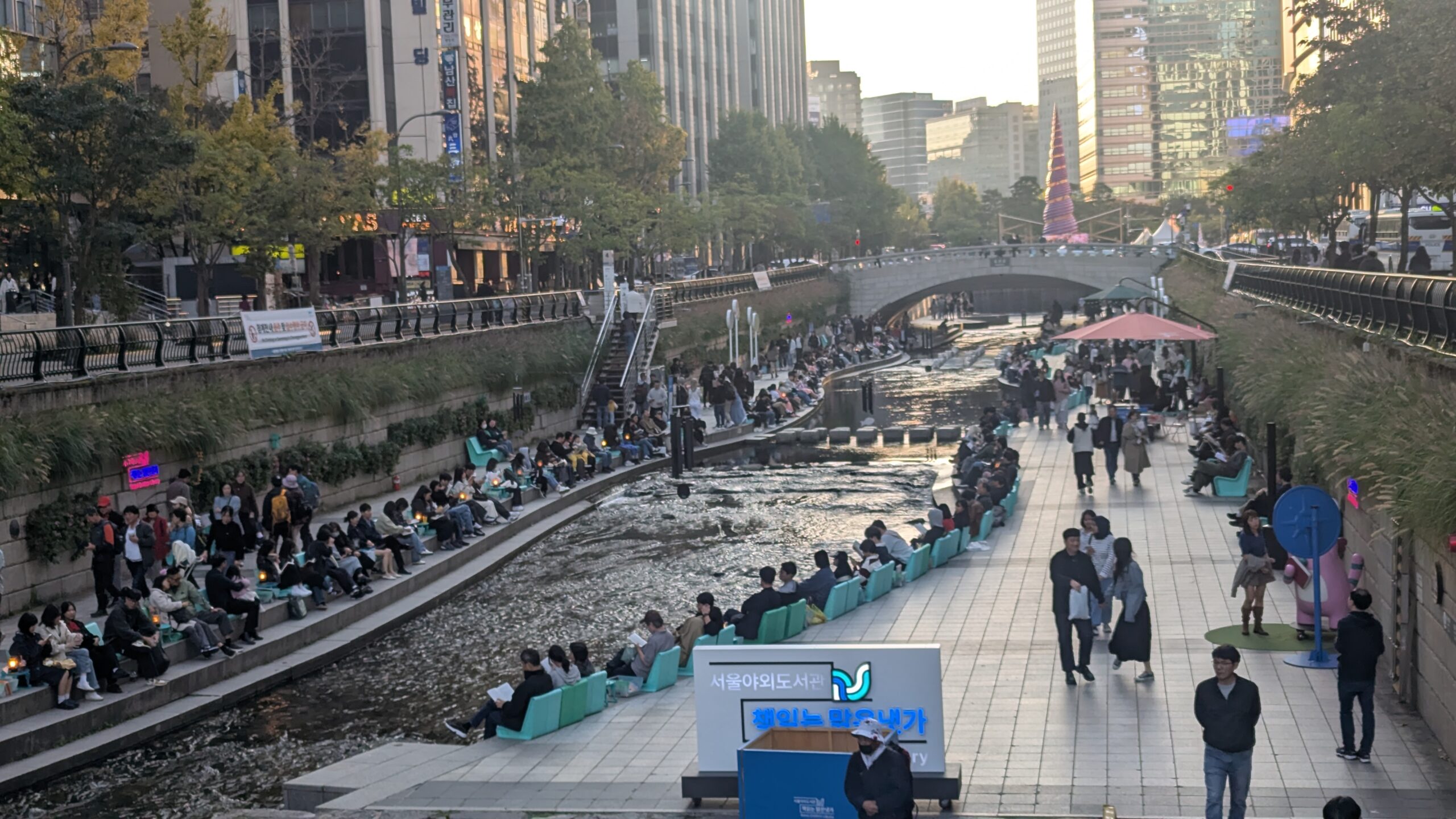
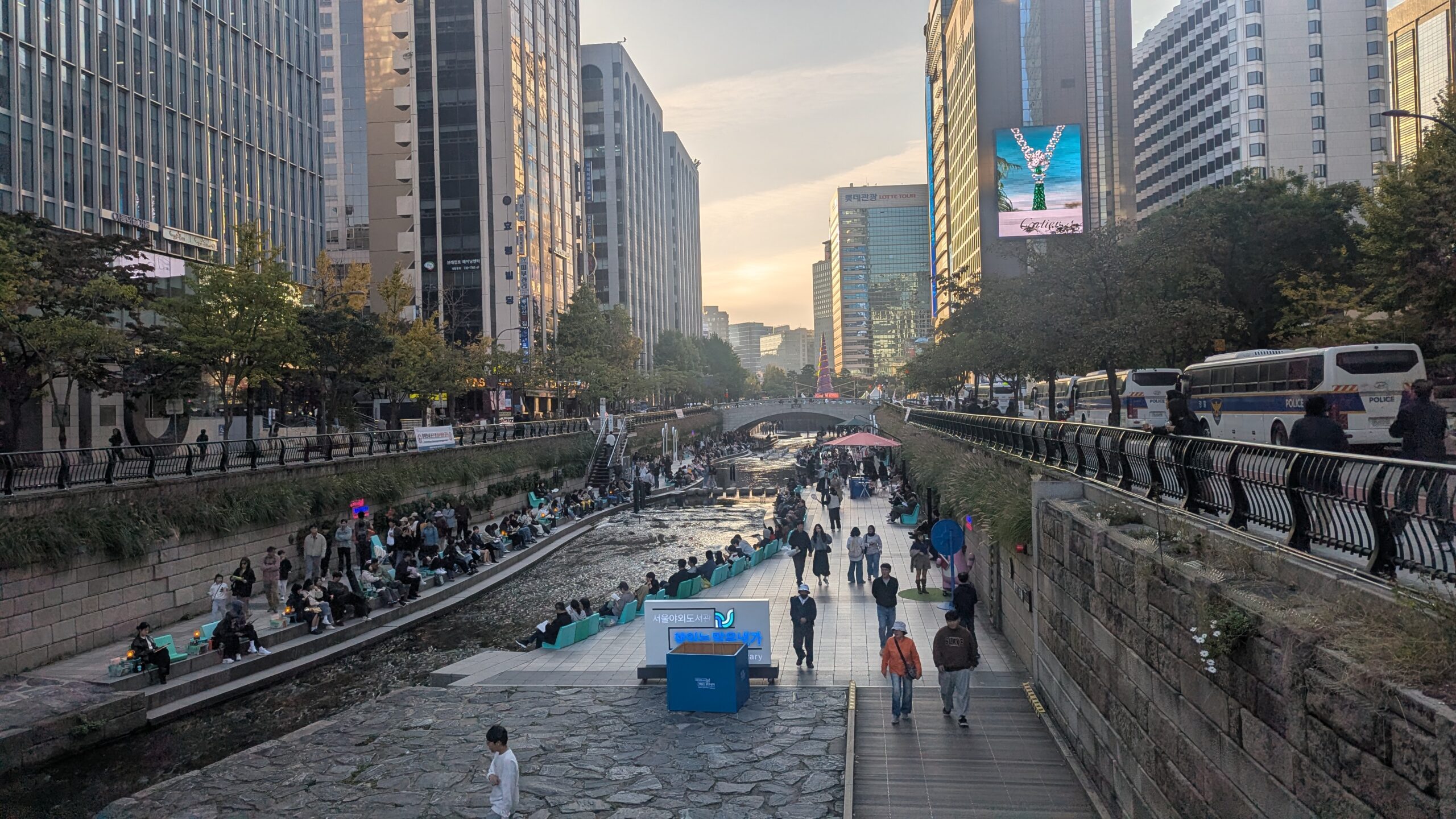
Read at the Clear Stream is listed along Cheonggyecheon between Mojeongyo and Gwangtonggyo bridges. Reading takes place beside an urban waterway. The city appears from a different level and at a different rhythm.
Water does not make the setting completely silent. Walkers and the surrounding streets remain part of it. Choose this space when those sounds suit your mood.
Match the book to your attention, not to an ambitious page count. A short essay or a single illustrated page can hold you. Looking at the water can become a pause between passages.
Check how to get down and back up. Identify the access route you need before settling in. Follow current notices if rain or restrictions affect the area.
Keep books and belongings securely away from the water. A photograph is not a reason to obstruct a path or lean into a restricted area. A comfortable place to read is a better starting point.
What chaek-meong invites you to try
This year’s programme includes focused reading sessions called chaek-meong. The name combines a Korean word for books with the feeling of quietly zoning out. The emphasis is on spending time with reading, not racing through pages.
It can be a chance to put down a frequently checked phone. That need not become a rule against digital tools. Maps and translation remain useful parts of travel.
The idea is to return your attention to reading for a period you choose. There is no need to compete over page totals. Looking up at the surroundings is also part of reading outdoors.
Check the date and registration process for an organised session. The annual programme is not the same as this week’s schedule. An event held in spring should not be assumed to repeat in autumn.
You can also create a small reading pause without joining a session. Reduce notifications for a while and read a short piece. Its value lies in the time you spend, rather than a promised health benefit or achievement.
The pleasure of someone else’s selection
This year’s introduction includes books selected by residents. Their choices offer another way to think about a reading collection. A person’s everyday concerns can become a doorway into a book.
Try a subject outside your usual interests. A cover and a contents page may open a new line of curiosity. You do not have to promise to finish before you begin.
The books and their arrangement can vary on site. A particular title in an introduction is not a guaranteed find. Discovering what is available that day is part of the pleasure.
If Korean is unfamiliar, bringing a book in your own language is an option. Check what languages are available locally. Illustrated books can also make the choice more approachable.
Note the title and author of a book you like. Finding it does not mean it is yours to take away. Follow the on-site use and return arrangements for the next reader.
Planning a one-hour visit
Start with the operating notice and the weather. Then choose the setting that suits you. A good plan reduces travel and gives more time to stay.
Look around before immediately picking up a book. Find the information point, your way out and a suitable seat. You will need fewer interruptions once you settle.
If the first book does not hold your attention, choose another. Concentration during travel can differ from an ordinary day. Letting go of a completion target makes the choice lighter.
Near the end, write down a thought of your own. There is no need to copy a long passage. Recording how the setting met the story creates a personal travel note.
Return the book as directed before leaving. Check for rubbish and forgotten belongings. A shared reading space works best when the next person can settle comfortably.
Preparing to read outside in autumn
Sitting still can feel cooler than walking. A light extra layer helps you adjust. Plan your return journey before staying late.
Strong wind can keep turning the pages. Hold them gently without damaging the book. You do not have to stay if the weather becomes uncomfortable.
Keep drinks away from books. Check the rules before bringing food into the reading area. Looking after shared books is a small kindness to the next reader.
Wheelchair and stroller users should check the actual approach. A plaza and a waterside path have different access arrangements. Asking about needed facilities in advance helps with the choice.
The general outdoor schedule is Friday through Sunday. Daytime and evening hours are listed separately and may change with weather or other events. The calendar for your visit is the most useful final check.
What remains after the final weekend
November 1 is the scheduled outdoor closing date in the current visitor listing. The end of a season does not remove the city’s reading spaces. Indoor libraries and bookshops offer another beginning.
A book discovered outside can lead to your next reading choice. Remember its title and look for it again later. A brief encounter may continue after the journey ends.
The visit does not need to be measured in photographs. You may remember where you sat and how slowly you read. Everyone keeps a city in a different way.
For a visit this week, check the location, date and hours first. Review participation conditions separately for special activities. The rest can begin with one book and a little time.
Seoul Outdoor Library does not ask you to cram more into a busy trip. It shows that sitting still can also be a way to meet a city. Near the end of autumn, turning a page becomes a scene from Seoul.
A little closer to Korea.
Thank you for reading.