A different sound of autumn
Autumn in Seoul has more than one soundtrack. Alongside rustling leaves, there is the sharp sound of a tennis ball meeting a racket. This week, Olympic Park offers a place to hear it.
The 2026 Eugene Seoul Open Challenger runs from October 25 to November 1. Matches take place at Seoul Olympic Park Tennis Center. It offers a sporting addition to a city holiday.
The event belongs to the ATP Challenger 125 category. The number is neither the size of the field nor a player’s ranking. The tournament brings players with different career paths onto the same courts.
You do not need to recognise every player. A long rally and the decisions that end it can hold your attention. Watching someone recover after a mistake can be just as revealing.
The final week of October leaves time to combine tennis with sightseeing. Make the match your main appointment and keep other plans flexible. Check the day’s order of play before leaving.

Read the draw and the daily schedule
The tournament dates are not an individual player’s schedule. Being on the entry list does not mean playing every day. Check both the draw and the daily order of play.
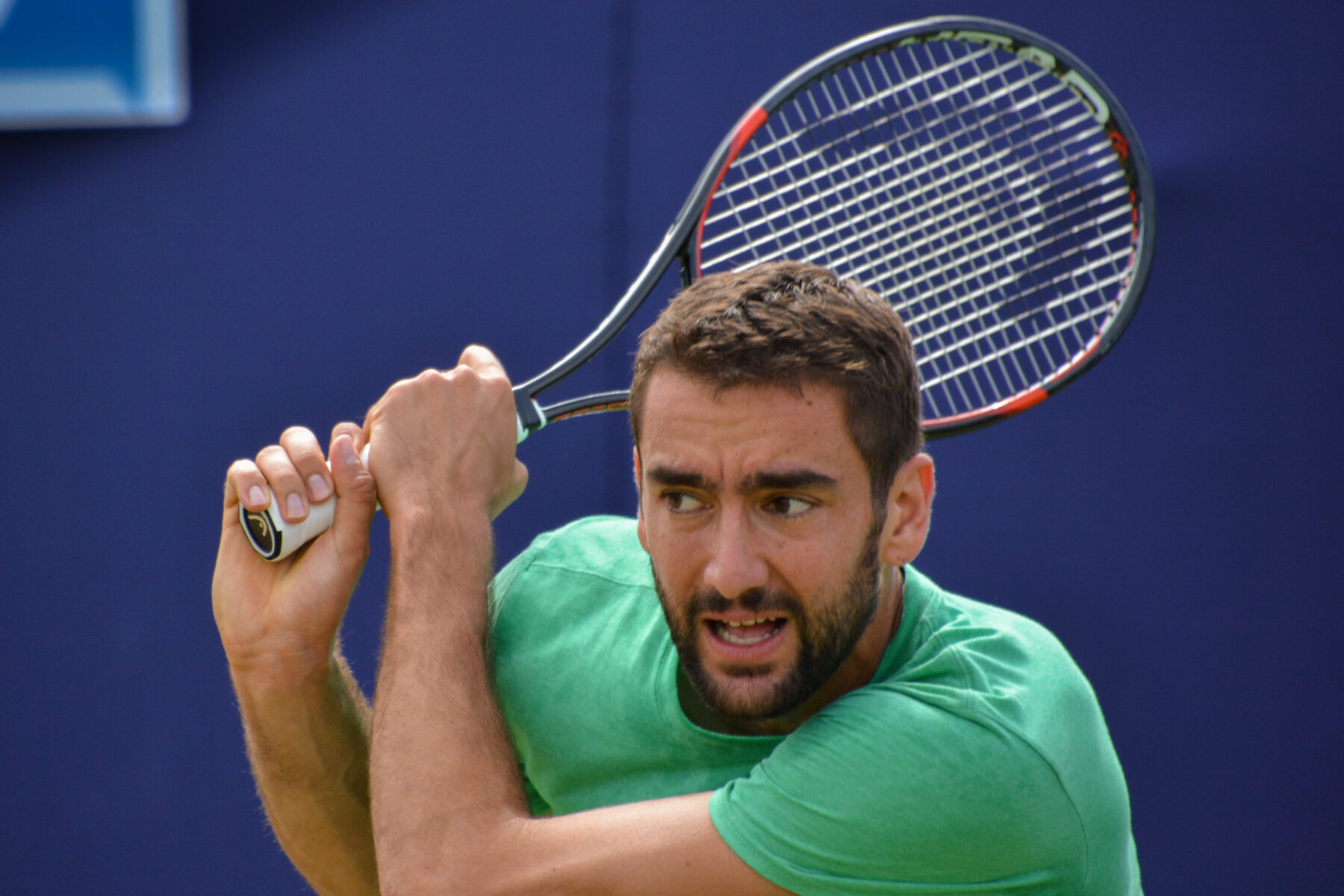
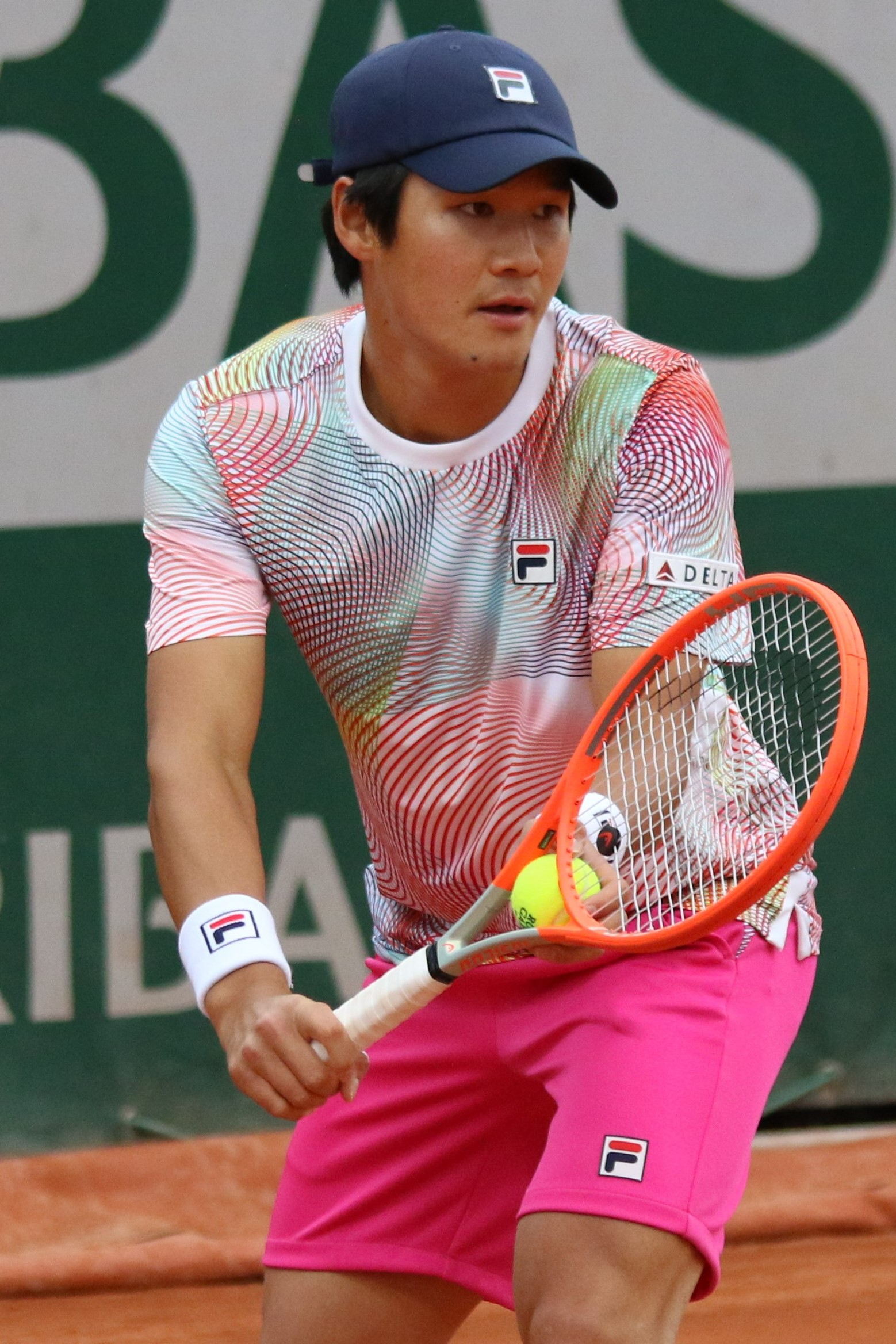
The organiser’s player page lists Marin Cilic and Soonwoo Kwon among the entrants. Entries can change. Avoid making an entire trip depend on one player’s appearance.
The draw shows who faces whom. The order of play identifies the courts and the sequence of matches. Together, they turn a general plan into a useful one.
A listed start time can move if an earlier match runs long. Tennis has no fixed match duration. Leave some space before your next firm appointment.
Qualifying and main-draw dates can appear differently. The visitor listing starts on October 25, while the ATP main draw begins on October 26. These describe different parts of the same tournament.
Choose the ticket before the itinerary
The official visitor listing says prices and hours depend on the schedule. One price should therefore not be assumed for every day. Check your chosen date and admission conditions.
Seating areas and court access may differ. Find out whether your seat is assigned and which courts your ticket covers. Do not assume every ticket opens every area.
Save your booking confirmation on your phone. Read the ticket collection and identification requirements. This makes arrival easier when you are searching for the right entrance.
Visitors from overseas should check payment options before booking. Read cancellation and refund terms carefully. Ask the ticket seller about anything unclear before paying.
Free admission and tickets at the gate should not be taken for granted. Availability changes. Build your plans around the ticket you actually secure.
Make sense of the scoreboard
Start by identifying the server. The other player is receiving. That small distinction gives each point a clearer shape.
In a conventional game, scoring progresses through love, 15, 30 and 40. At 40-all, the score is deuce. Under advantage scoring, a player then needs a two-point lead to win the game.
Points build games, and games build sets. Separate the set score from the score in the current game. Check the tournament rules for specific formats, including doubles.
Winning your opponent’s service game is called breaking serve. It explains some particularly loud applause from the stands. You do not need to memorise every term to enjoy the match.
Follow the score during your first game. In the next, watch where the ball is sent. Later, notice when a player chooses to approach the net.
Look beyond the speed of the ball
A powerful serve is only part of the story. Watch how a player prepares before the ball arrives. Footwork and balance reveal things a close-up television shot can miss.
During a rally, notice whether shots stay central or reach the corners. A player may move an opponent wide to create open space. One shot often prepares the next.
An approach to the net changes the rhythm. Long exchanges from the baseline give way to quicker reactions. Ask yourself what made that moment a good time to move forward.
The next point matters after a mistake. Watch the player settle before serving again. Give the whole performance more attention than a single error.
You do not have to understand every technique. Choose one detail to follow. Footwork today might lead you to watch serve placement next time.
When to applaud and when to wait
Tennis moves between quiet concentration and applause. Keep conversation low and pause while a point is in play. Cheer once the point has finished.
Follow the stewards when entering or leaving your seat. Movement in the aisles can distract players and block other spectators. If access pauses, wait for the next suitable break.
Silence your phone before play begins. Follow the venue’s photography rules. Avoid flash and equipment that obstructs someone else’s view.
Celebrate good play from the player you support. There is no need to mock an opponent’s mistake. People from different countries are sharing the same sporting space.
Explain the quiet moments if you bring children. Use suitable breaks when someone needs to move. A comfortable first visit matters more than staying seated throughout everything.
Arrive at the tennis venue
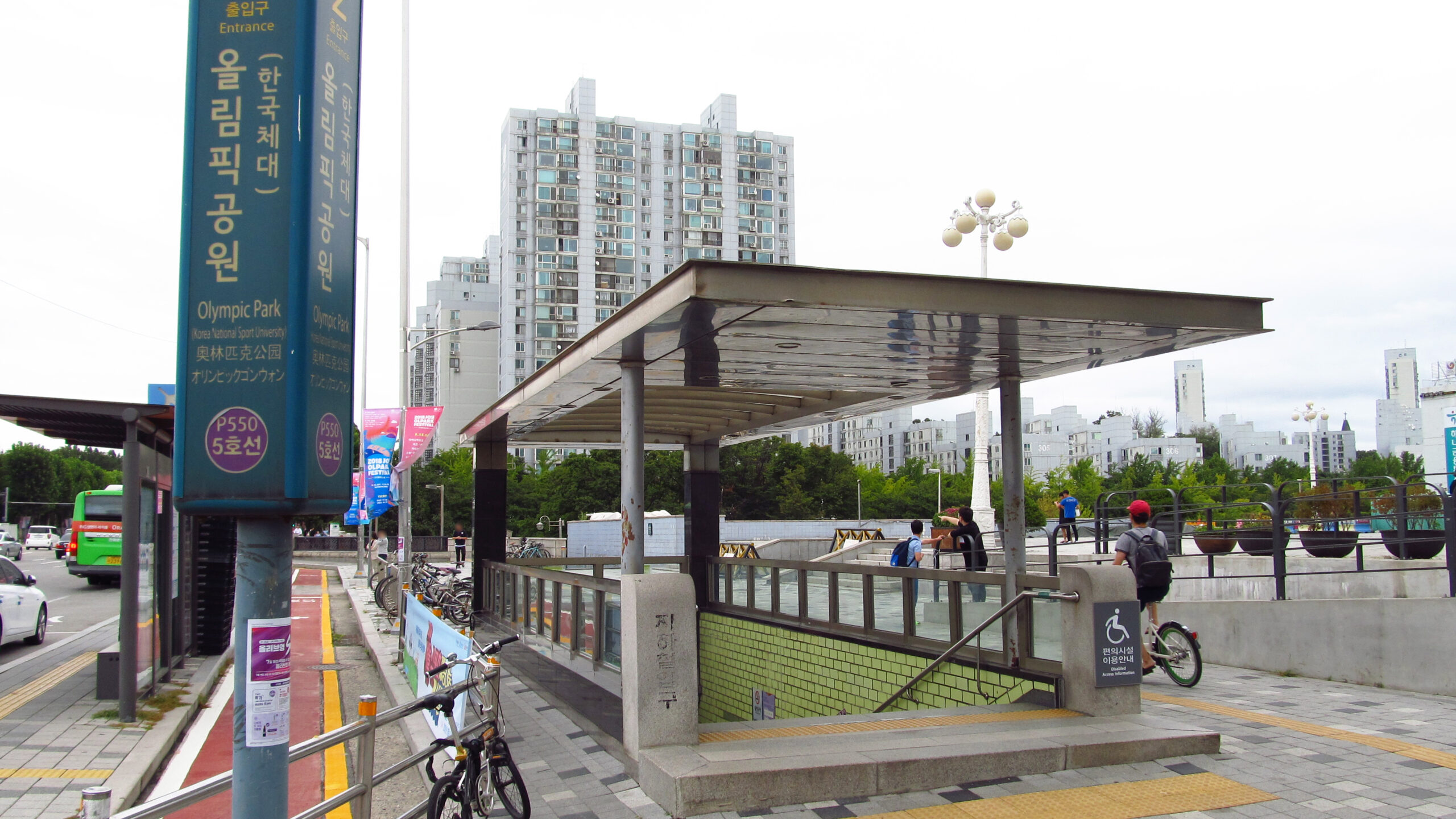
The venue address is 424 Olympic-ro, Songpa-gu, Seoul. The event listing directs visitors to Exit 3 of Olympic Park Station on Lines 5 and 9. Follow tournament signs after leaving the station.
Olympic Park is large. Save the Tennis Center, rather than just the park, as your map destination. Arriving at a different gate can add walking time.
Choose a precise meeting point. An exit number or identifiable information desk is clearer than “outside the park.” Share the same destination with your companions.
The listing identifies accessible paths, toilets and other facilities. Confirm the actual route to your chosen seating area separately. Contact the organiser before booking if you use a wheelchair or stroller.
Allow time for parking if you drive. Other park events may bring additional visitors. Aim to finish arrival arrangements before the match starts.
Pack for sitting outdoors
Sitting still can feel cooler than walking in autumn. Light layers make adjustment easier. Check the day’s temperature and rain forecast.
A hat and sunglasses can help in sunny seats. Avoid items that obstruct other spectators. Follow venue rules on umbrellas and permitted belongings.
Check food and drink rules before packing snacks. Stadium rules may differ from general park rules. Look at the day’s visitor information for available refreshments.
A power bank is useful for tickets and directions. A smaller bag is easier to manage between seats. Keep belongings away from aisles and other people’s feet.
Rain does not produce one universal outcome. Distinguish a delay from a cancellation and check the ticket conditions. Follow the organiser’s current announcement.
Leave time for the park
Olympic Park was created for the 1988 Seoul Olympics. Today it combines walking, culture and sport. Tennis is one way into that broader setting.
A short walk before the match can be enough. Do not try to cover the entire park in a spare hour. Decide your return route and entry time first.
Different areas offer outdoor sculpture and historic scenery. Choose one place that interests you. On a long match day, a walk can remain a small extra.
Eat with some margin before your planned arrival. The end of a match is harder to predict. Check change conditions if you reserve a restaurant afterwards.
Save your onward route if you need to leave promptly. The walk to the exit is part of the journey. A little breathing room keeps the final rally from becoming a rush.
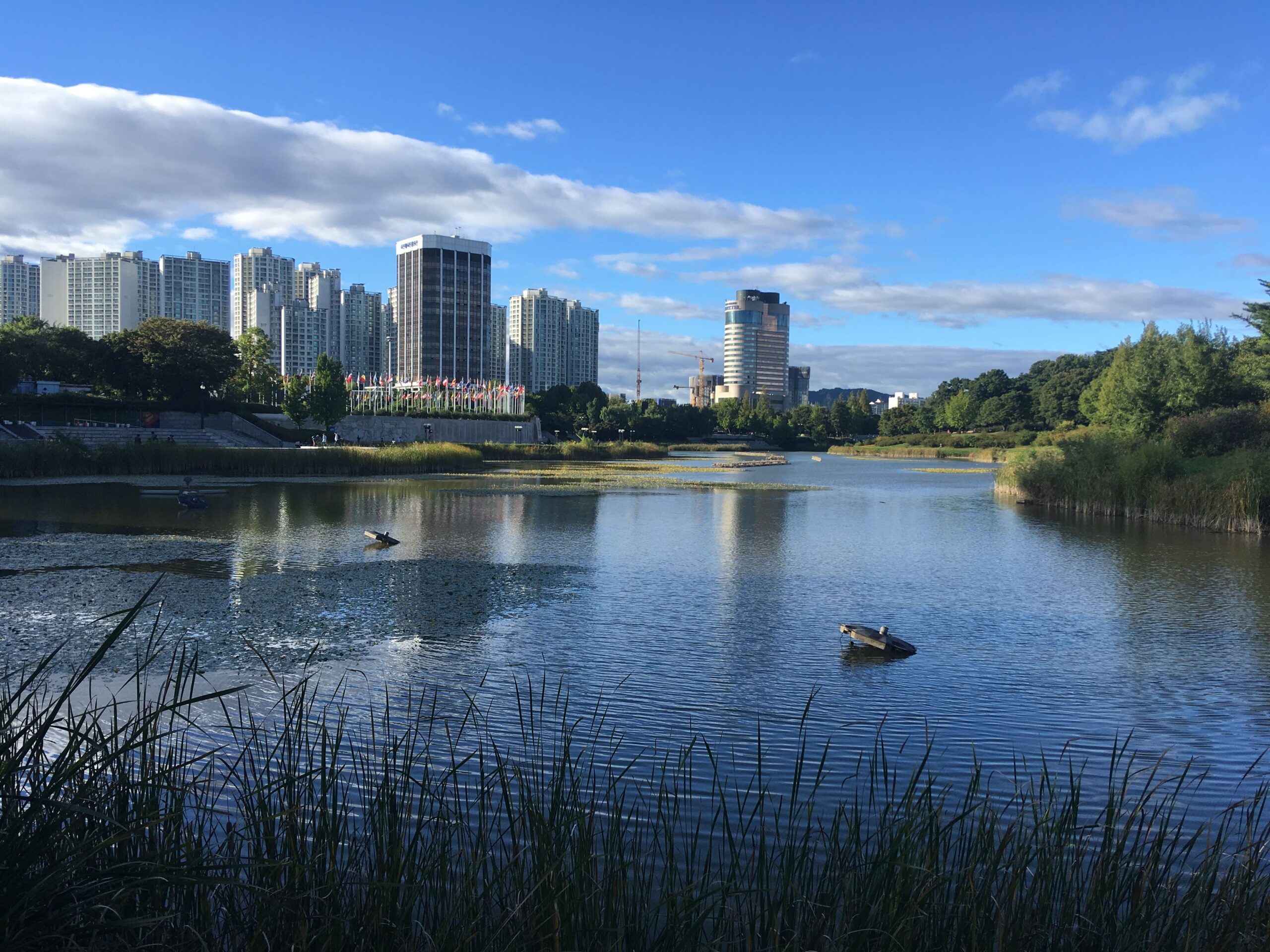
Remember Seoul one point at a time
The Seoul Open offers a different pace from sightseeing. A player’s concentration and the crowd’s anticipation share the same space. The memory can linger longer than a hurried photograph.
If you visit alone, follow one match as it develops. With friends, compare the moments you noticed afterwards. The same rally can leave different impressions.
Choose a visit that suits your energy. Spend the day courtside or stay for a shorter period within your ticket conditions. Use current notices whenever arrangements change.
Before leaving, check the date, ticket conditions, order of play and venue. Add the weather and your route home. Those simple decisions free you to concentrate on the match.
For a different afternoon in Seoul, consider the courts at Olympic Park. You can begin without an expert’s knowledge. Sharing a single point can turn an unfamiliar sport into part of your journey.
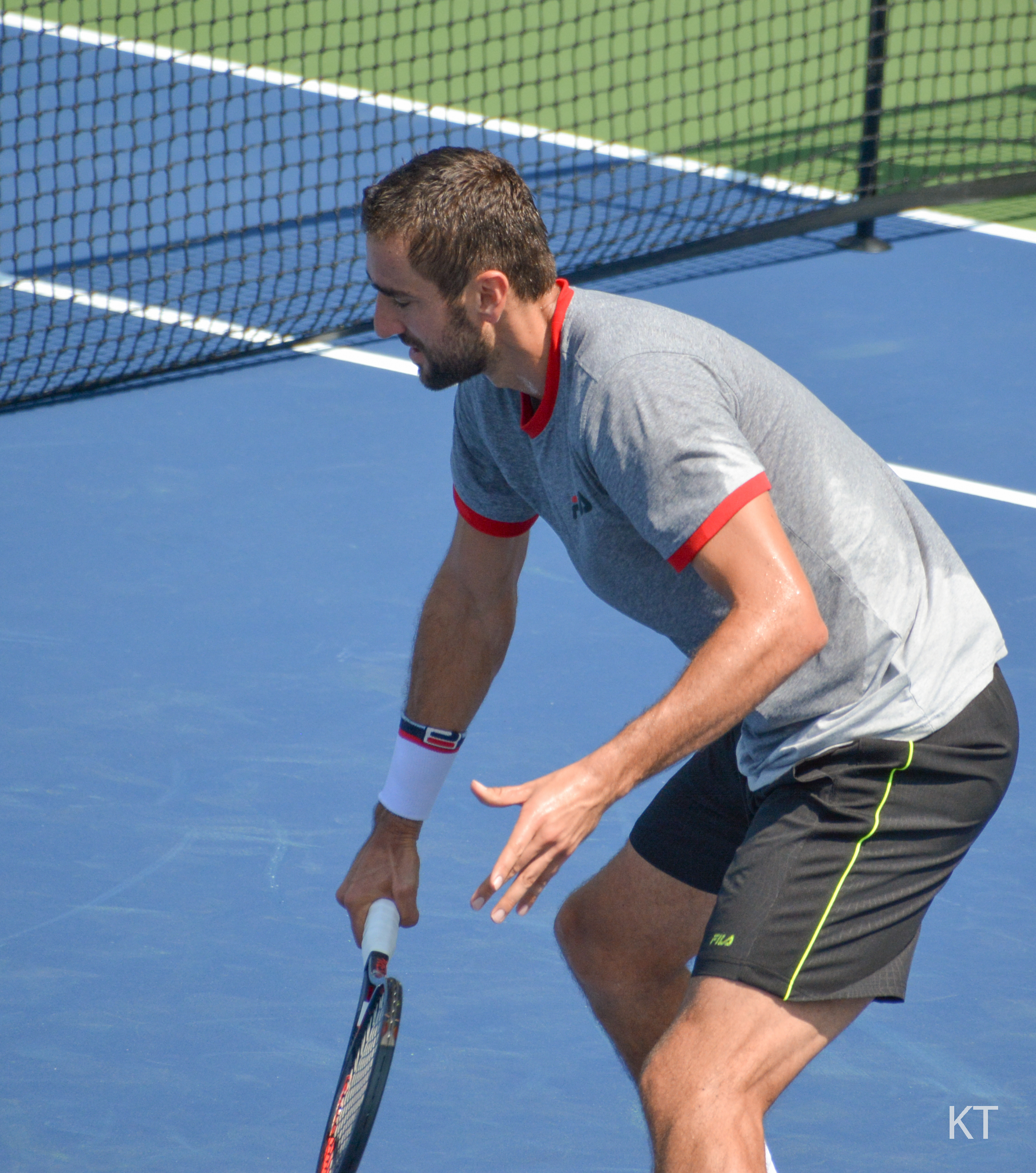
These are real archival photographs. The player images were taken at the tournaments named in their captions, not at the 2026 Seoul Open. The station and park photographs provide location context.
A little closer to Korea.
Thank you for reading.