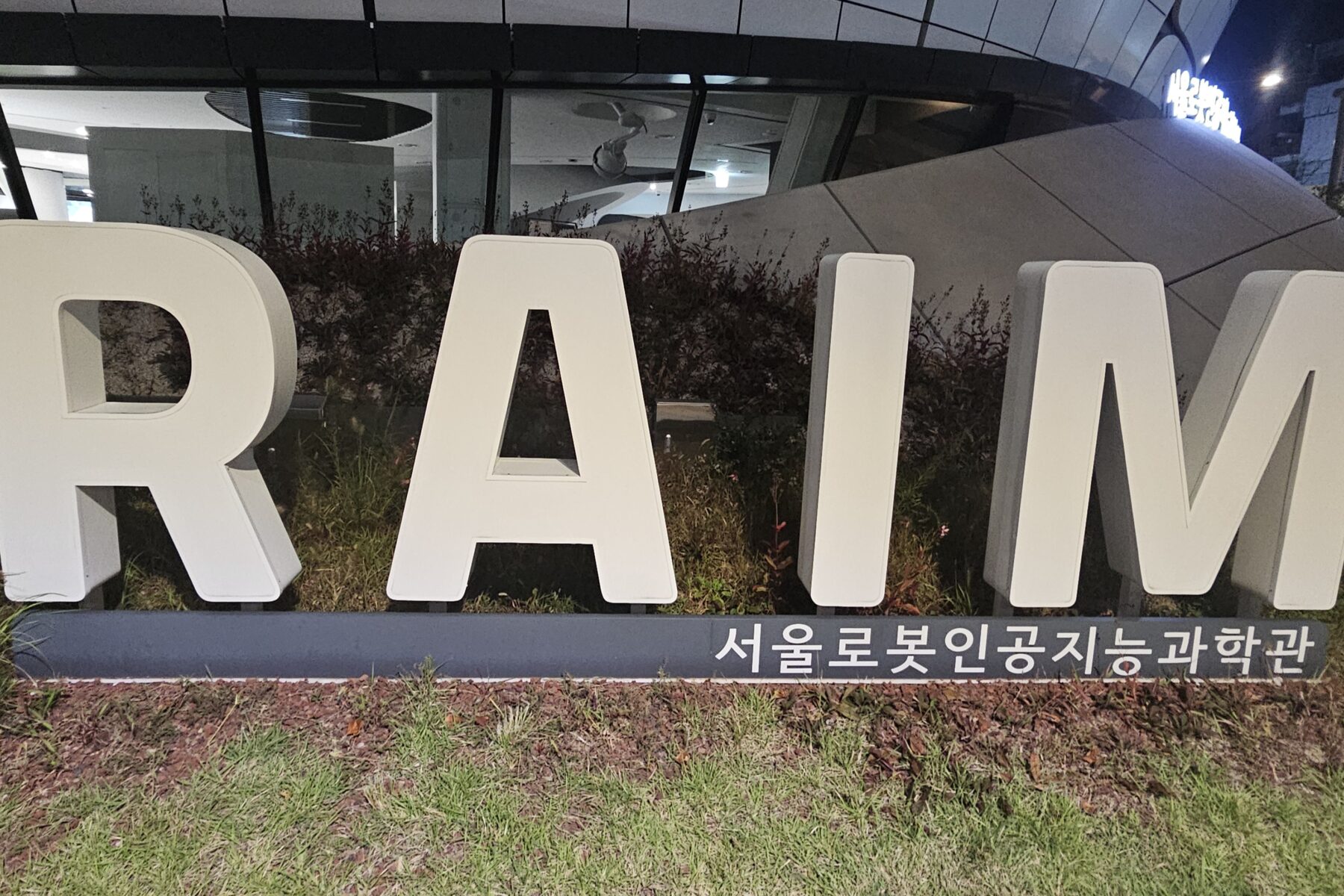
A different kind of Seoul evening
Seoul’s brightest evening plans need not begin in its busiest districts. In Changdong, a science museum offers another starting point. Its exterior becomes part of the evening’s cultural experience.
SEOUL RAIM: ROBOT CITY is running at the Seoul Robot & AI Museum. The announced exhibition period is August 28–December 5, 2026. This guide reflects information checked on October 26.
The central idea is the coexistence of robots and people. A media facade presents that theme through the museum’s exterior. A separately booked program adds hands-on activities inside.
For travelers interested in Korean technology and visual culture, the pairing is appealing. You can approach it through design, curiosity or a simple evening walk. Technical expertise is not a prerequisite for looking closely.
The useful planning distinction is between watching and participating. The two experiences follow different weekly schedules. Choosing one first makes the rest of the evening easier.
Begin with the outside
The media facade is listed for Tuesday through Sunday. The official visitor information describes screenings at 15-minute intervals. That interval does not establish the duration of each film.
It also does not mean the building runs a continuous all-night show. Check the current start and finish times before leaving. Do not substitute the indoor session times for the outdoor screening window.
Media facades turn architecture into part of an image. Curves, edges and surfaces can change how movement appears. Try watching the building as well as the projected scene.
Give yourself one complete viewing before deciding what to photograph. A short clip may preserve a striking moment. It can also miss the transition that made that moment interesting.
Choose a place that leaves entrances and pedestrian routes clear. If you move for another angle, look around before stepping back. A good view should still allow other people to pass.
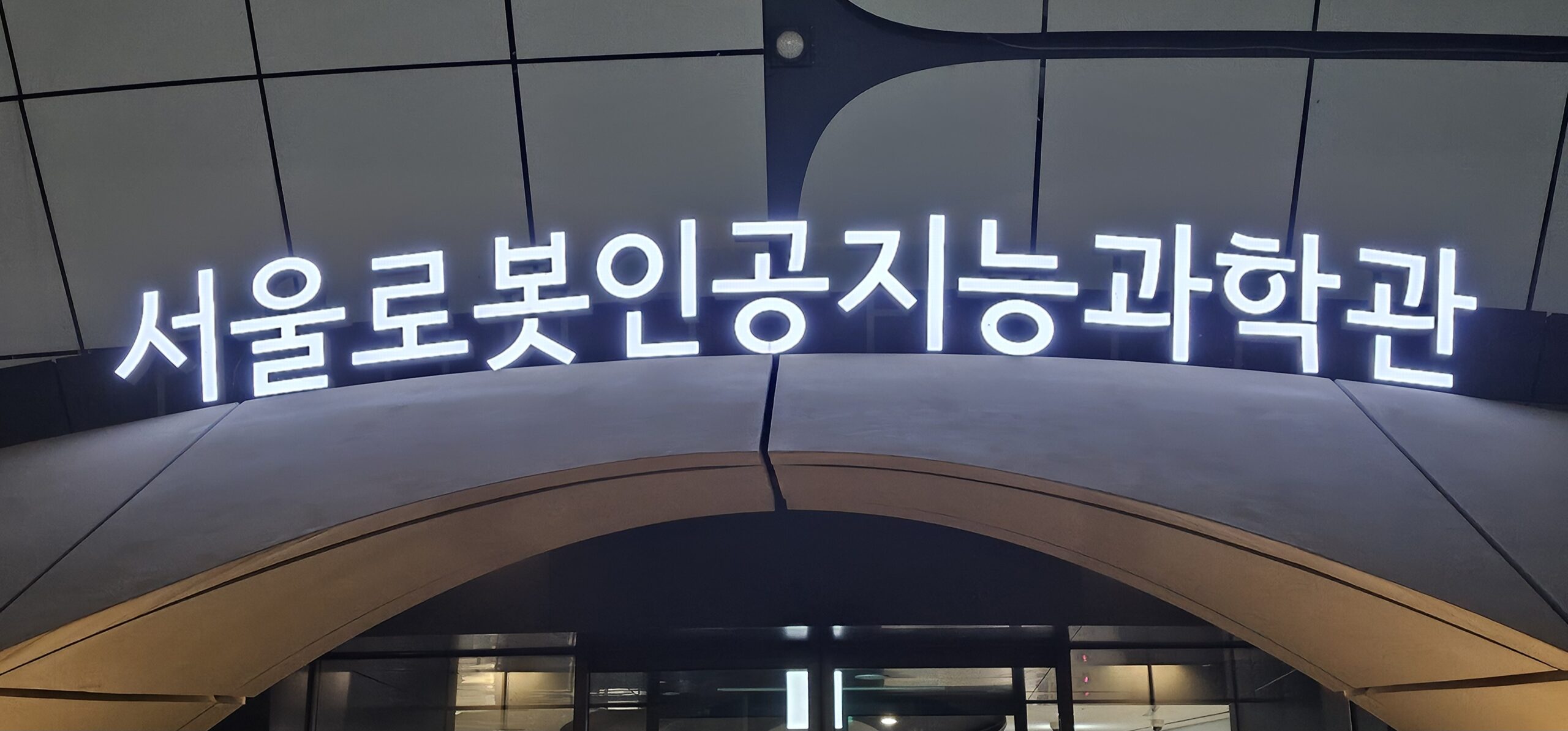
The indoor experience needs its own plan
The related hands-on program runs on Fridays and Saturdays, excluding closing days. Its announced period is September 4–December 5. Booking is by session through Ticketlink.
The listed location is the first-floor Robot & AI Garden. Each session accommodates approximately 25 people. Treat that as a small-group format, not a promise of current availability.
The event notice restricts building entry for this nighttime program to reservation holders. Seeing the exterior does not automatically provide indoor access. Keep your confirmation ready when you arrive.
Check the exact program title, date and party size before confirming. An account screen or an unfinished booking is not a reservation. Save the completed confirmation where you can retrieve it quickly.
International visitors should check identification and booking requirements in advance. The event listing alone does not settle overseas-account compatibility or interpretation support. Ask the museum about any requirement that affects your visit.
November brings an earlier start
September and October sessions are listed at 19:30, 20:00, 20:30 and 21:00. November and December sessions move to 18:30, 19:00, 19:30 and 20:00. All times refer to local time in Seoul.
The change is one hour earlier across the four slots. A screenshot saved in October can therefore mislead you in November. Read the date on the booking as carefully as the time.
For the remaining October Fridays and Saturdays, the calendar points to October 30 and 31. The following Friday and Saturday are November 6 and 7. These are calendar examples, not confirmation that seats remain.
Do not interpret the 30-minute spacing as a guaranteed activity length. It describes the published session starts. Allow additional time for finding the entrance and checking in.
An earlier session can leave more room for dinner afterward. A later one may suit a day spent elsewhere in the city. Choose around your return journey as well as the attraction.
From the station to the right museum
The event address is 56 Madeul-ro 13-gil, Dobong-gu, Seoul. The Korean museum name is 서울로봇인공지능과학관. Save both before setting out.
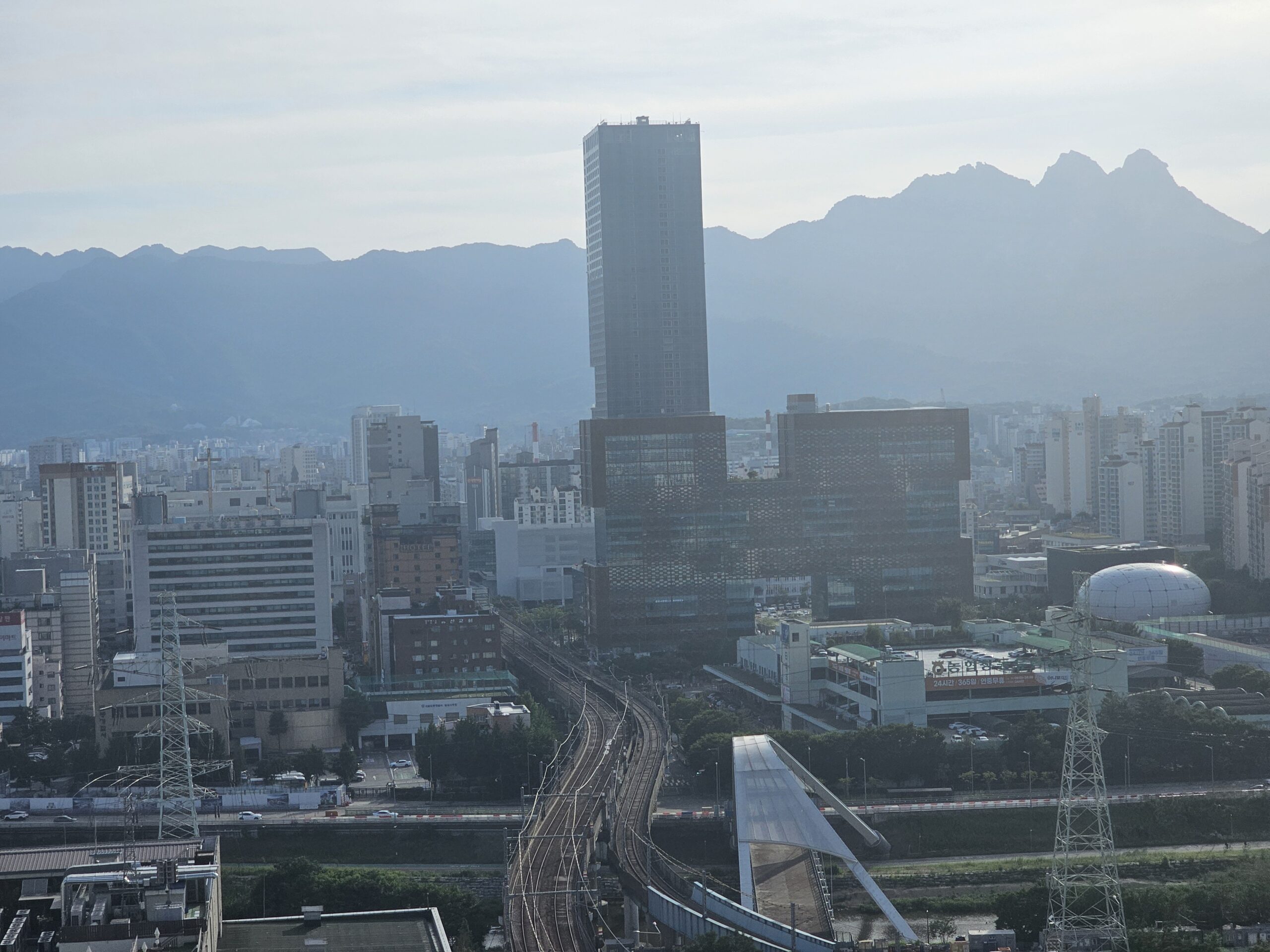
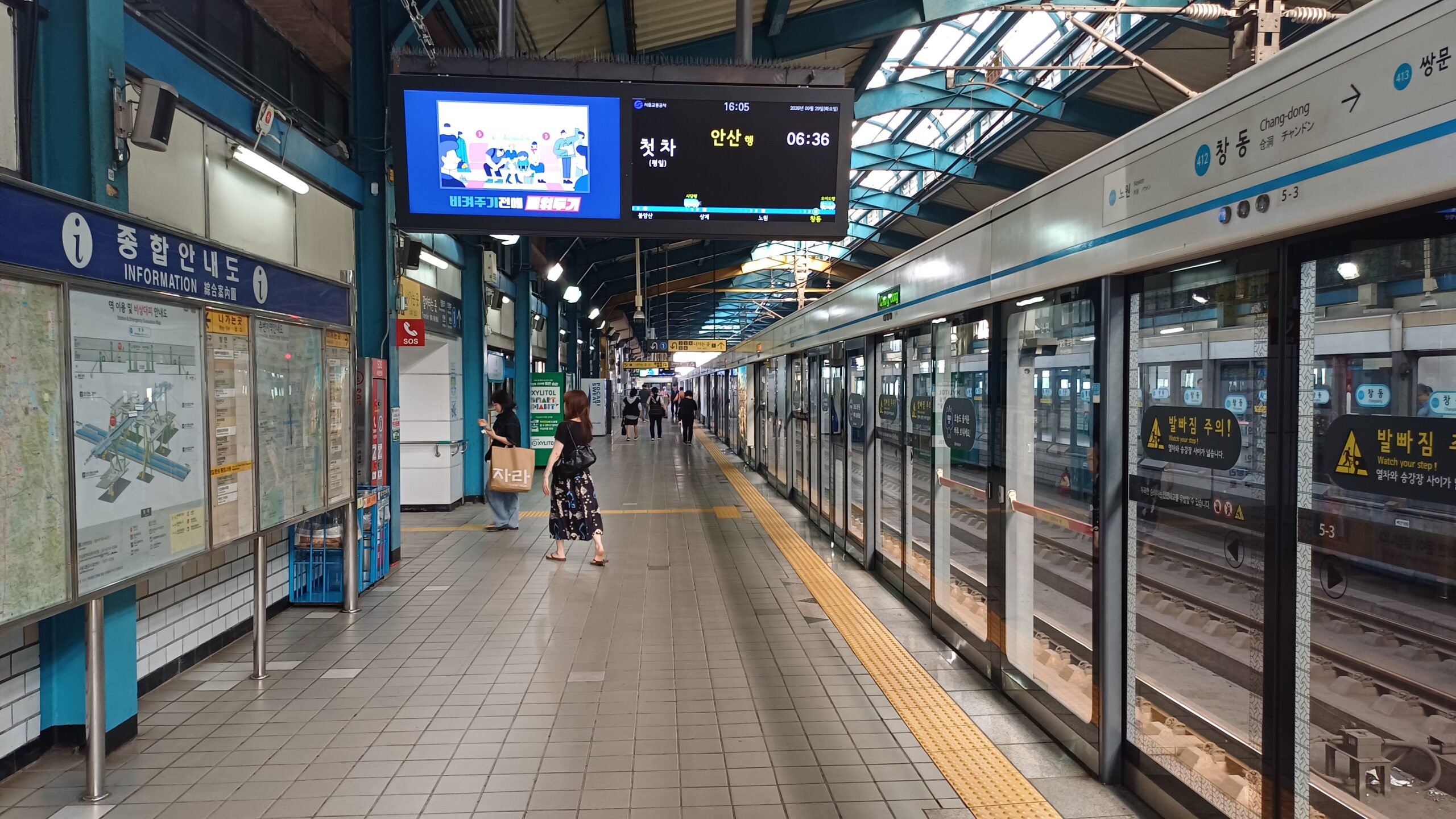
The visitor listing points to Changdong Station on Lines 1 and 4. It gives Exit 1 and a distance of approximately 332 meters. That figure is a location reference, not a guaranteed walking time.
Use a current map for the final approach. Station works, crossings and accessible routes can alter the most convenient path. Follow the signs you encounter on the day.
Be careful with similarly named science attractions. This event is at the robot and AI museum in Dobong-gu. Confirm the address rather than relying only on an English search result.
Check the route back to your accommodation before the show. Include any transfers and the last service you intend to use. A short final walk does not make a cross-city journey short.
Make the evening comfortable
The event listing states that admission is free. Transport, food and any separate activities still belong in your budget. Free entry also does not remove the reservation requirement for the indoor program.
Bring an extra layer suited to standing outdoors. Watching a projection involves less movement than walking between sights. The temperature you tolerate on the way may feel different while waiting.
A charged phone helps with tickets, maps and the return route. Save essential details before the battery runs low. A small power bank is useful if you have already spent the day taking pictures.
Check weather and operating notices on your chosen date. If conditions make the outdoor visit uncomfortable, reconsider the plan. Do not assume an indoor activity will admit unbooked visitors as a substitute.
The listing identifies accessible toilets, parking, elevators and assistance facilities. Confirm the nighttime entrance and any assistance you need with the museum. A daytime facility list does not answer every evening-access question.
Looking beyond a photograph
Begin with a simple question: what makes the machine feel approachable? It may be a movement, a shape or the way a scene is framed. Notice your response before trying to name the technology.
Then consider what the work suggests about living together. Does it invite trust, curiosity, dependence or distance? These are prompts for your interpretation, not claims about a specific scene in the program.
An artwork about robots is not a technical performance test. A convincing image cannot establish what a real machine can do. Keep the visual story and demonstrated capability distinct.
During a hands-on activity, follow the facilitator’s instructions. Ask what the interaction is designed to show. A clear explanation can be more useful than a dramatic photograph.
If visiting with friends, compare one detail afterward. Different people may notice the same moment for different reasons. That conversation can become the most personal part of the outing.
An itinerary with room to breathe
For an exterior-focused visit, first confirm the evening screening window. Arrive with enough time to find a suitable viewing place. Add dinner nearby only if it fits your route and appetite.
For a booked visit, use the confirmed indoor time as your anchor. Work backward to allow for transport and check-in. Fit the facade around that appointment after verifying its hours.
Avoid scheduling another timed attraction immediately afterward. You may want to look again, ask a question or simply rest. Flexibility helps when an unfamiliar entrance takes longer to find.
The area can reward a focused outing without a long checklist. Choose one additional stop that is genuinely convenient. Check its opening hours separately from the museum’s schedule.
If you only have a short stay in Seoul, weigh the journey against your interests. Architecture and technology enthusiasts may value this detour especially highly. A relaxed local evening can be equally valid for someone with different priorities.
A small guide to recording the experience
Take a wide photograph first if photography is permitted. Include enough architecture to explain the scale of the projection. Then choose a closer frame that captures a particular detail.
Avoid using flash toward the screen or other visitors. Follow staff instructions about tripods and filming. Do not block a path while reviewing your pictures.
Ask friends before posting recognizable portraits of them. Be considerate of strangers who happen to enter the frame. A public place still contains people enjoying a private evening.
Write down one thing you observed and one question you still have. Keep those separate from facts supplied by the event notice. This makes a later travel note clearer and more useful.
You do not need to describe the outing as futuristic to make it memorable. A specific change in color or a surprising response may say more. Let the detail carry the feeling.
Before you leave
Confirm the day, the relevant screening hours and any closure notice. For indoor participation, confirm the booking and the seasonal session time. Keep the museum address and return route together.
The museum’s listed contact number is +82-2-920-4300. Use it for questions the event page does not resolve. Availability and on-the-day arrangements can change after publication.
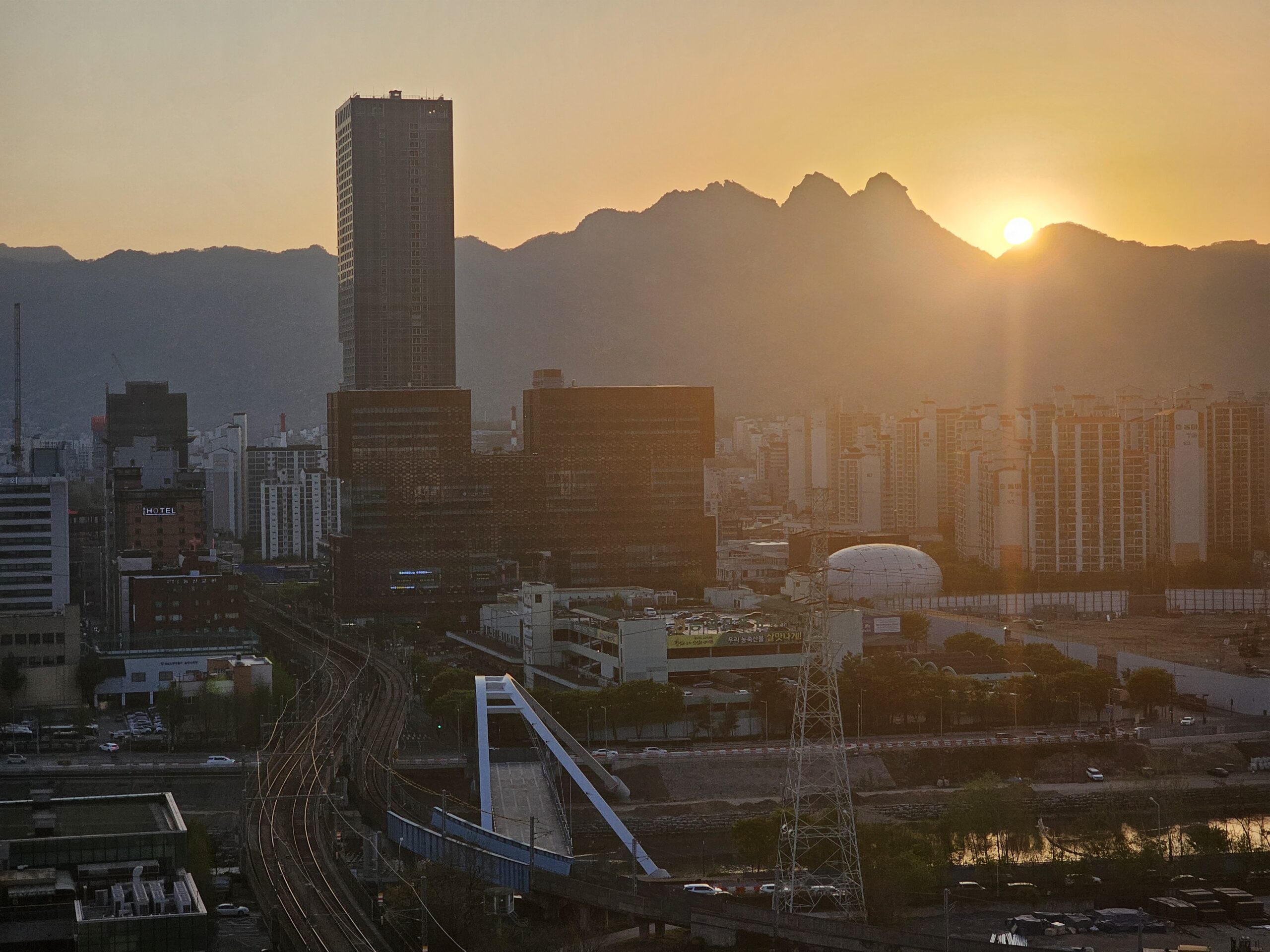
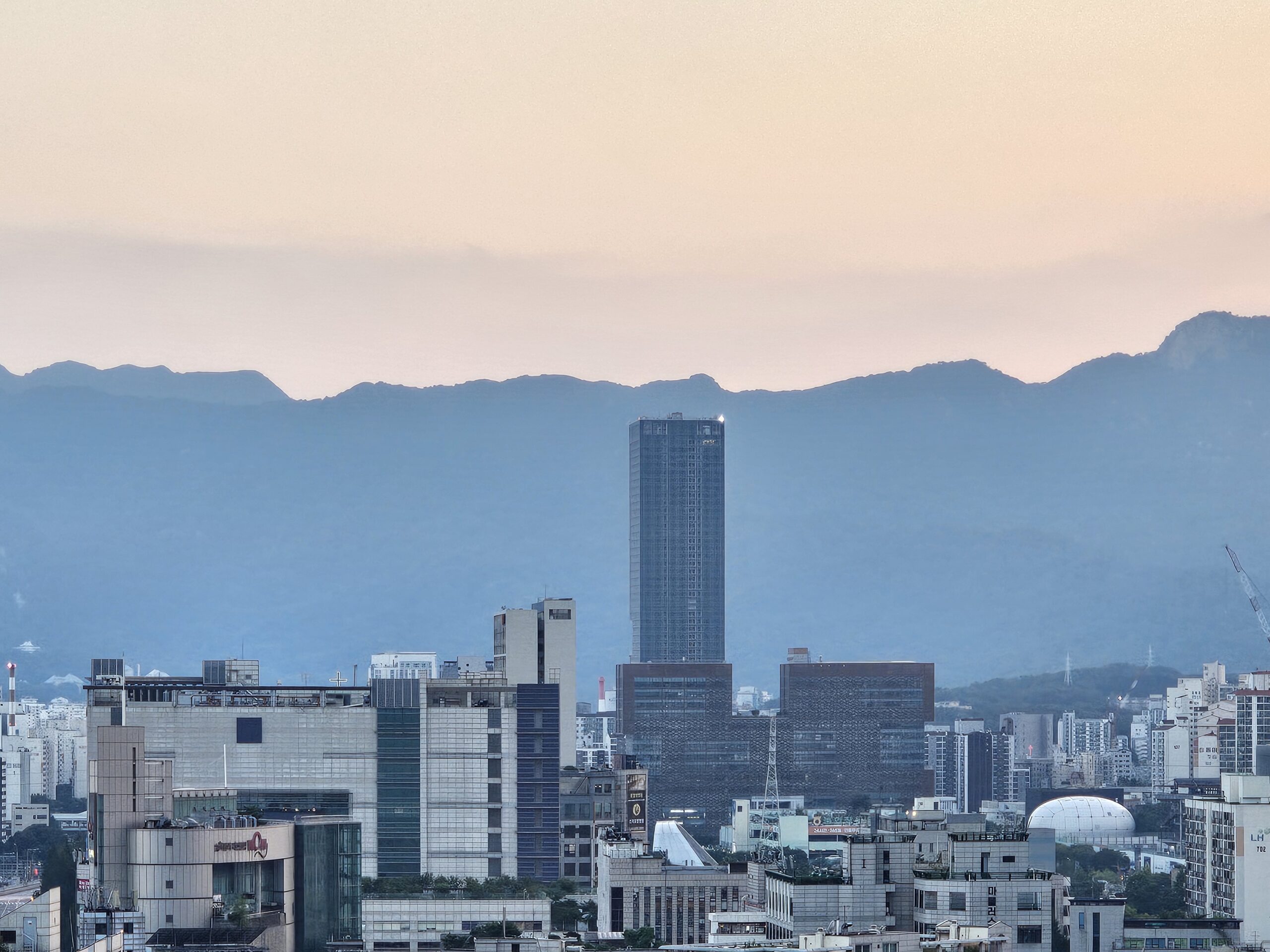
The photographs show the museum’s real signs, the surrounding districts and a nearby station at their stated dates. They do not document the ROBOT CITY projections, indoor exhibits or hands-on sessions. Read them as location context and check the current programme for the experience itself.
As an editorial reading, the attraction is the meeting of a cultural outing and a question about everyday technology. You can enjoy the light while remaining curious about what lies behind it. Neither response requires pretending to have all the answers.
Seoul’s night can end with something quieter than a packed camera roll. It might be a conversation on the train home. It might be one new question about the machines already sharing our days.
The photographs show the museum’s real signs, the surrounding districts and a nearby station at their stated dates. They do not document the ROBOT CITY projections, indoor exhibits or hands-on sessions. Read them as location context and check the current programme for the experience itself.
A little closer to Korea.
Thank you for reading.