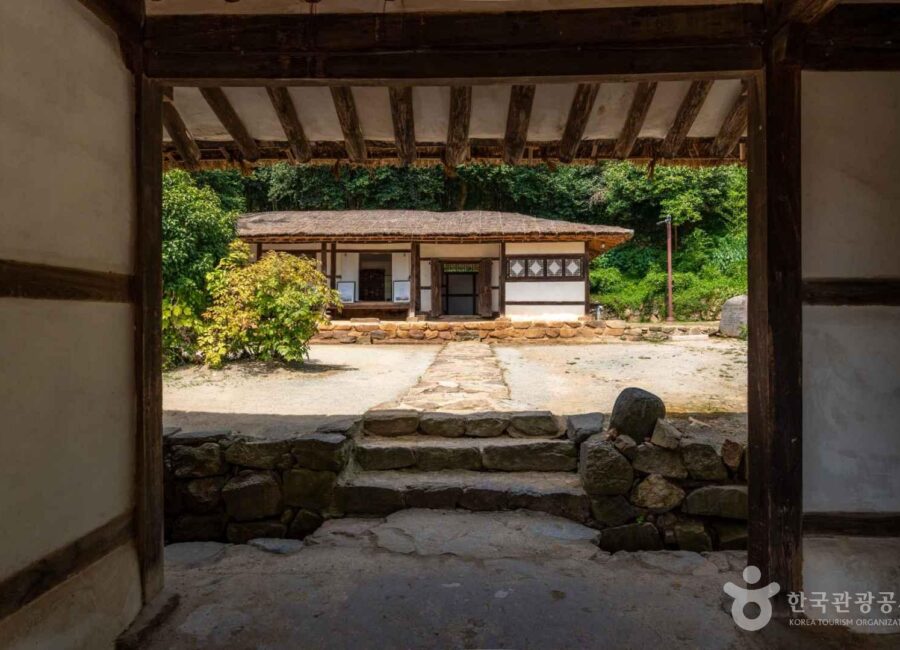
Read Kim Yeongnang’s life and poetry through a thatched house, earthenware jars, peonies and persimmon leaves, then connect the home with Gangjin’s poetry museum and World Peony Park.
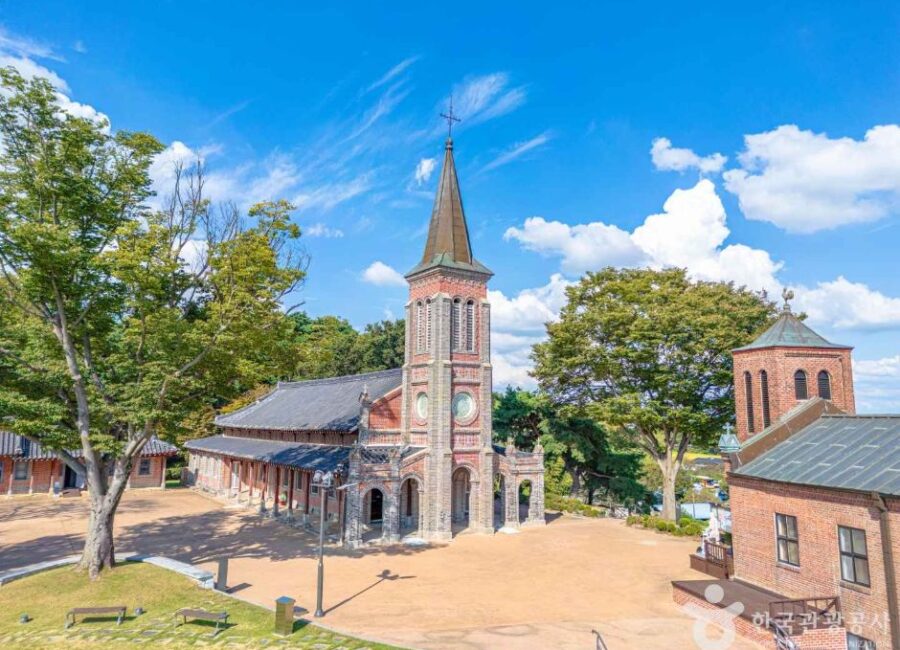
Explore the church completed in 1907, the return voyage of Korea’s first native-born Catholic priest, Manggeumjeong Pavilion and practical arrangements for a respectful visit.
A thoughtful route through Naesosa’s fir forest, floral doors, Avalokiteshvara mural, Goryeo bell and living quarters, with practical transport and seasonal planning.
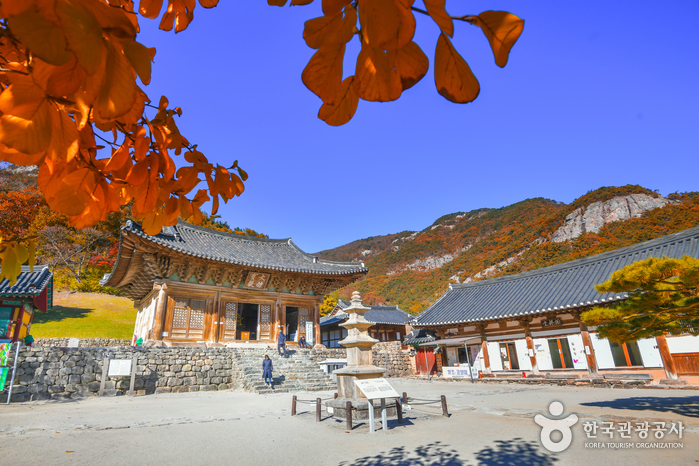
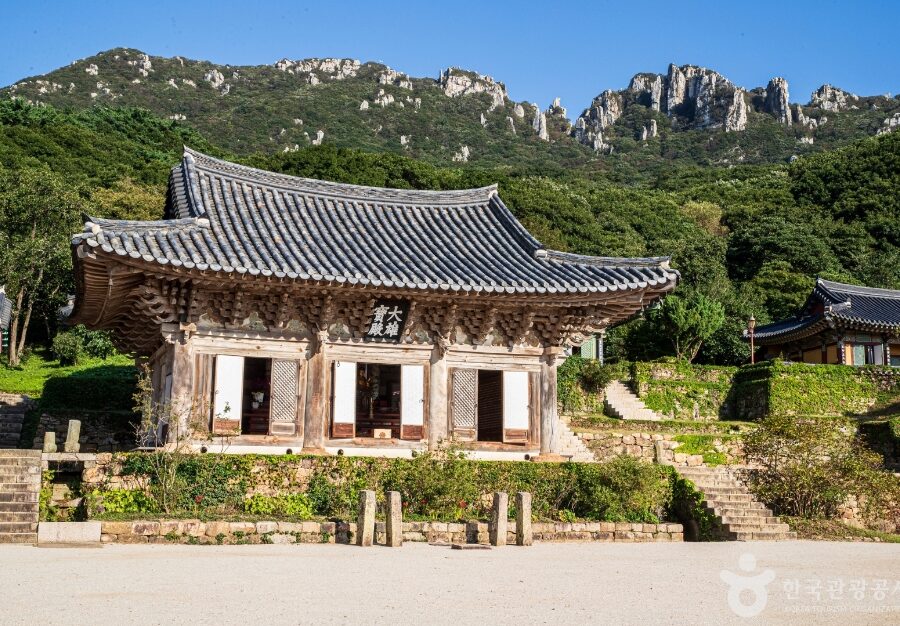
Read the timber brackets, marine carvings and arhat figures of Mihwangsa, with separate guidance for its ceremonial banner, recent restoration, Templestay bookings and the Dalma trail.
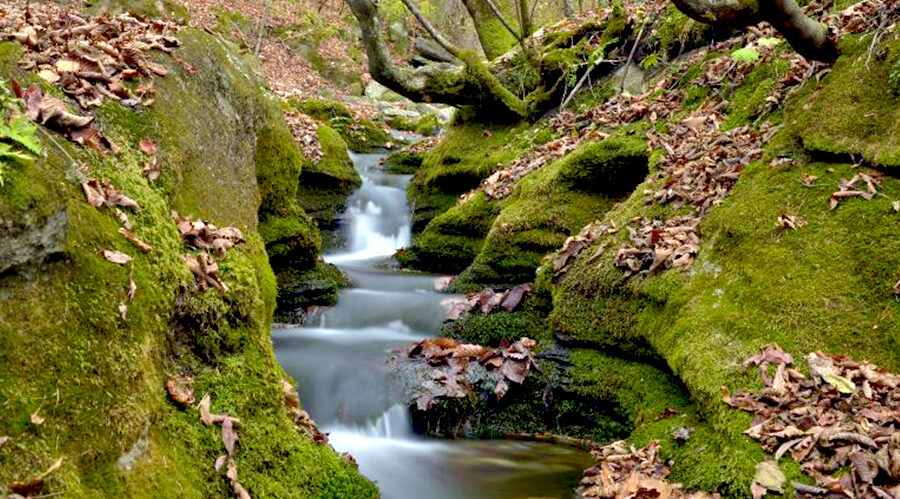
Follow the 1.5 km approach past Sesimgyo to a limestone spring, mossy cascades and wooden decks, with clear route details and links to Taebaek’s water landscapes.
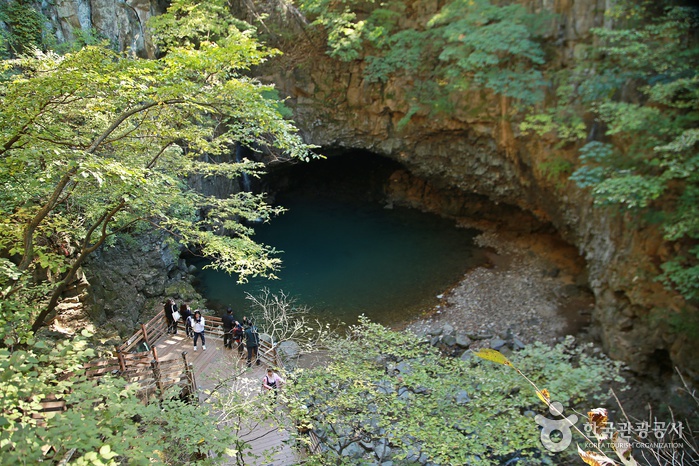
Look closely at columnar joints, a river-eroded cavern and the plunge pool at Bidulginang Falls, then plan the steps, changing water flow, Sky Bridge, geopark center and return transport separately.
Seonyudo is a rewarding Seoul stop for travelers who enjoy gardens, reused architecture and unhurried walks. An old water treatment plant has become an island park where concrete structures, aquatic plants and river views share the same landscape.
Haneul Park trades the close-up bustle of Seoul for open sky, grassland and views toward the Han River. The climb is part of the visit, so plan it as a proper outdoor outing rather than a quick stop immediately outside a subway exit.
Seodaemun Prison History Hall is one of Seoul’s most meaningful visits for travelers seeking historical context. Its brick walls and surviving prison buildings ask for time, attention and a quieter pace than a conventional sightseeing stop.
Seoul Museum of Craft Art rewards looking closely. Near Anguk Station, its galleries connect Korean materials, making techniques and everyday objects, offering a useful change of scale after the broad courtyards of the royal palaces.